What one project teaches, written down for the next.
Strategy, content, web development, AI, impact, and evolution for medical device companies. Our own discovery work and case studies, with the judgment needed to make concrete decisions.
 Strategy
What we found on 65 medical device company websites
We opened the websites of 65 manufacturers and distributors in Europe, the Iberian Peninsula, and Latin America, one by one. We didn't find a single one that brought the product page, specifications, code, and documentation together in one navigable place.
 Content
When product pages start getting clicks from Google
On many medical device websites, Google sends people to the PDF catalog instead of the product page. This is visible in the company's own Search Console, and it changes when the product information moves to the product page.
 Impact and evolution
What an AI doesn't read
Why a scanned PDF is invisible to an assistant, and what to give it instead.
 Web development
The QR code is already printed: what happens to the IFU's URL
An IFU printed on a label needs a URL that keeps working when the website changes.
 Content
Why we write before we design
A page designed with placeholder text looks finished until the real content arrives. On a medical device website, that content brings long names, code tables, approved documents, and a second language.
 Content
How to break down a PDF catalog before designing the product pages
Before sketching a product page, you have to open the PDFs that will feed it. That's where the fields come from, along with the relationships between products and documents, and which files get published in full.
 Web development
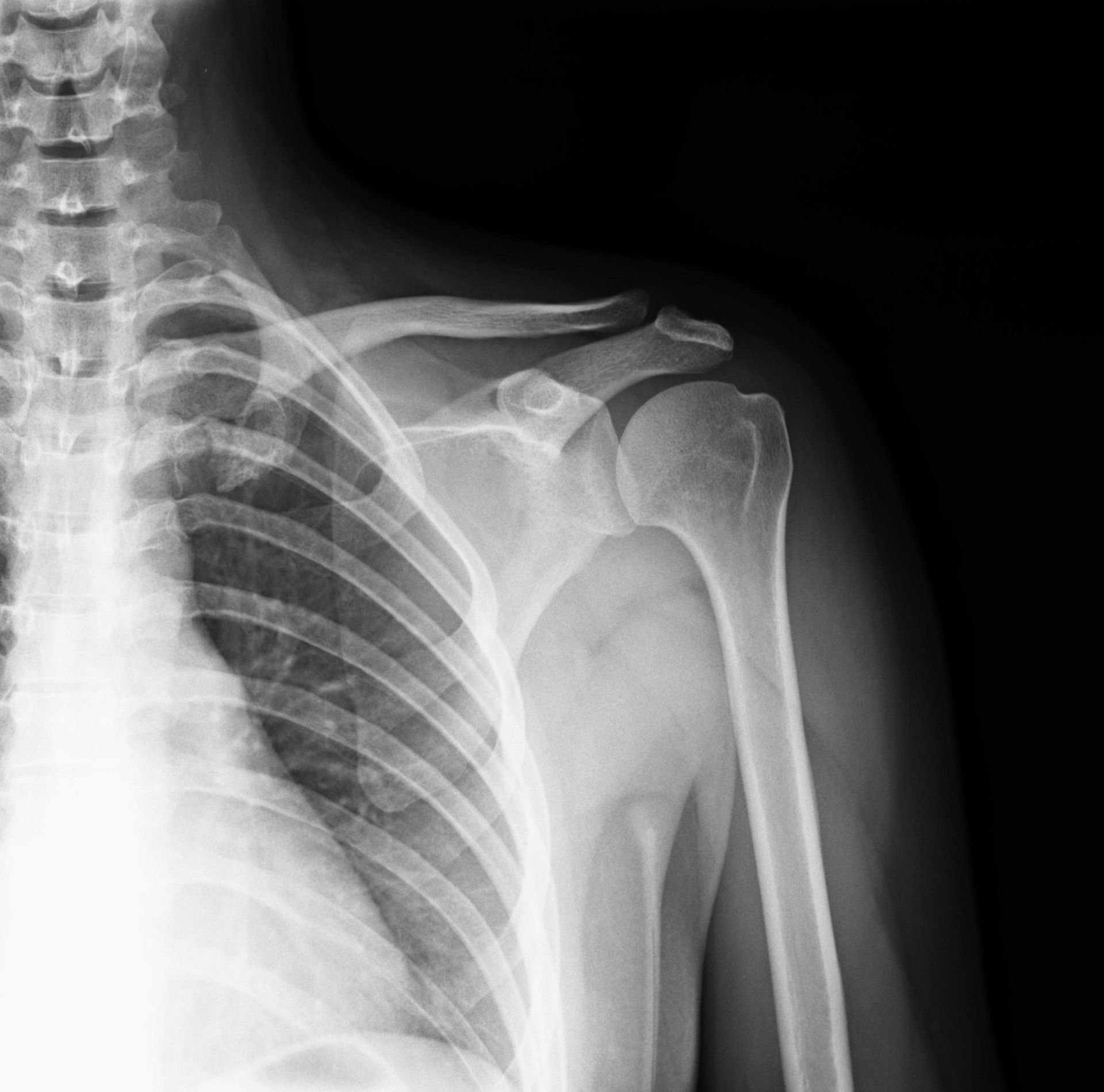
How to find an implant by anatomical region when the brand isn't known
People search an implant catalog by region, procedure, code, or registration number. Every entry point has to lead to the same product page.
 Content
What a medical device product page needs to have
The same product page may be visited by a surgical technologist with a code, someone from Purchasing with a tender file, and a distributor with an old PDF. What information each one needs, in what order, and which information the company chooses to show.
 Strategy
Launching a medical device: what has to be ready on the website
The day a product is introduced, every piece of communication leads somewhere. What has to be published before that date, for whom, and how the launch is sustained through the company's own channels.
 Strategy
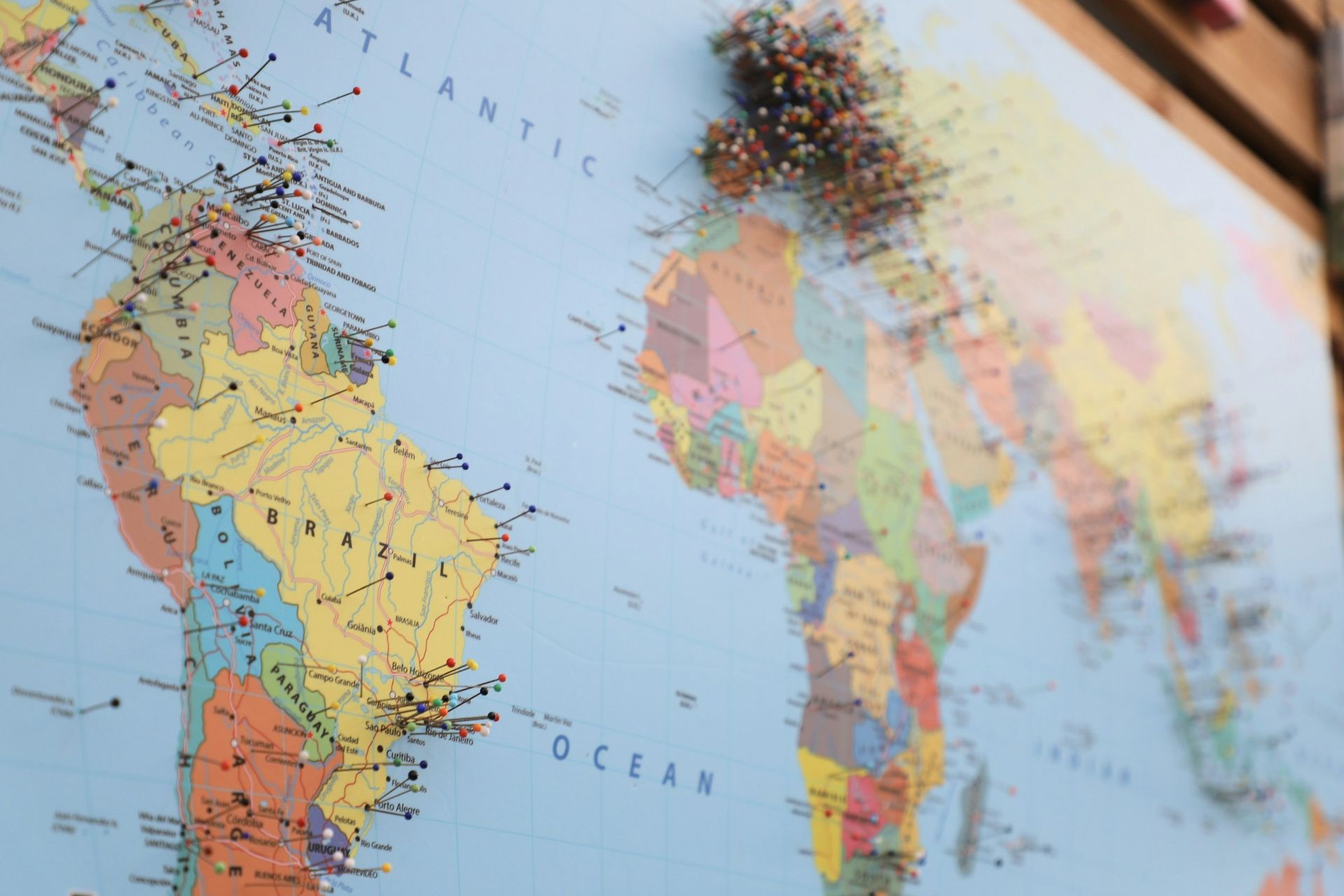
What international searches say about an orthopedics catalog
A technical catalog written in Spanish travels across the whole region, even if nobody designed it for that. Search Console shows how far it reaches and which pages travel.
 Content
A two-day cadaver lab, six photos, and a short article
A cadaver lab leaves behind a program, techniques, faculty, and questions. If the website only has room for the event announcement, all of that stays in a shared folder.
 Content
Using AI to produce medical content without expanding claims
An AI tool writes fast and fills in what's missing with whatever sounds likely. In medical device content, that filler is a claim nobody approved. How the draft is built and where medical validation comes in.
 Impact and evolution
What it takes for ChatGPT and Gemini to cite a medical device company
An AI assistant builds its answer from what it finds written about the company, on its own site and on other sites. Which part of that depends on content, and how to check whether the company shows up.
 Strategy
Technical knowledge is spread across four teams, and the website needs it in one place
In a medical device company, each team holds part of the knowledge about each product. How to bring that knowledge together without losing where each piece of data came from or who confirms it.
 Web development
Signs the website has been outgrown
A medical device company can outgrow its website long before anyone says “we need a new website.” The signs show up in the catalog, the documents, and who can publish.
 Web development
Migrating the website without losing rankings: redirects, PDFs, and URLs
Before changing a medical device company's website, we need to know which URLs get visits, where each one goes, and what gets tested on the day of the switch. Catalog PDFs are often among the most searched.
 Impact and evolution
How to audit a medical device website while it keeps running
A medical device website can't be switched off to review it. Physicians, distributors, and printed labels keep sending people to it while it's being fixed.
 Web development
Why a catalog with filters gets slow, and how to fix it
An implant catalog filtered by region, procedure, and brand can take several seconds after each click, and the slowdown may not be noticeable from the office. What causes it, explained without code, and how to verify the fix.
 Impact and evolution
Which website maintenance tasks to automate in a medical catalog
Before a maintenance task is automated, its actual steps need to be examined. The name in the spreadsheet may describe something else.
 Web development
Own products and distributed brands in the same catalog
When a company manufactures some of what it sells and distributes the rest, the catalog has to make clear which brand each product belongs to without splitting into two websites.
 Web development
A bilingual medical website also has to translate its relationships
In a bilingual medical catalog, every piece of copy can be well translated and the paths between languages can still fail. The pace of the project is set by medical validation.
 Content
What a surgeon searches for on Google before they know the manufacturer
Searches that don't include the company's name bring few clicks and a huge share of the exposure on Google. They include a product, a code, a procedure, or a document.
 Impact and evolution
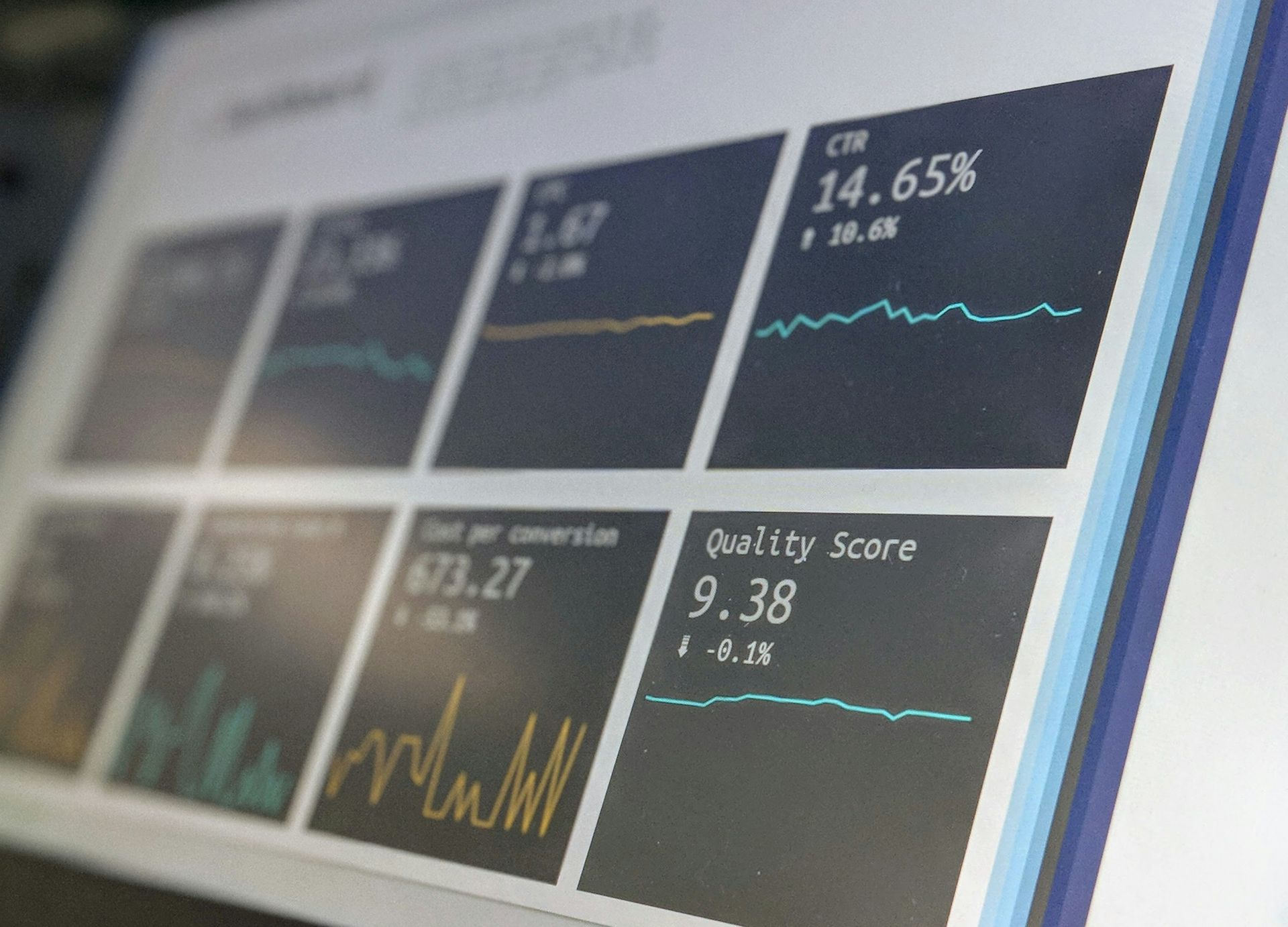
What to measure on the website of a company with inquiry-driven sales
A medical device website doesn't have a shopping cart: the sales process may involve a sales rep, a tender, or a visit to the operating room. What to track on the site to know whether it's doing its part.
 Impact and evolution
Five views per user: how to interpret usage in a medical catalog
On a corporate page, repeat visits are unusual. In an implant catalog, they're a normal part of how people use it, and the views-per-user metric shows that.
 Content
The surgical technique video that got twenty times more views than the sales video
On an orthopedic manufacturer's channel, a surgical technique video got twenty times more views than a promotional video. What a surgeon looks for in a video, and where that video should live on the website.
 Strategy
The congress starts before the booth opens
The weeks before a congress shape who comes to the booth and what questions they bring. What to announce, on which channels, how far in advance, and which page of the website each piece leads to.
 Strategy
The content that outlives the event
A congress leaves recordings, slides, cases, questions, and faculty. How that material becomes a library on the website, connected to each product, so people who weren't there can find it.
 Strategy
What a distributor looks at on a manufacturer's website before taking on its line
Before the first meeting, a distributor in another country has already visited the manufacturer's website. They look for what documentation exists, where the product is registered, what material their team will work with, and who will answer when they need it.
 Strategy
Who represents what in each country: the chain of representation on the website
A manufacturer with subsidiaries and distributors in several countries needs its website to route each inquiry to the right person. And the distributor needs a place that shows what it brings beyond the catalog.
 Strategy
Before the first congress: what a medtech startup's website needs to have sorted out
The first booth, the first interested distributor, and the first meeting with investors often fall in the same season. All three will open the startup's website that week, and each one is looking for something different.
 Content
Publishing a product that isn't registered in the country yet
A device can be approved in one country and pending in another, or not yet registered anywhere. What gets published in each case is decided by the company's regulatory team. What can be prepared in advance is the structure for showing each situation without one country's status carrying over to the others.
 Strategy
Selling in Mexico: what a medical device company's website needs to show
In Mexico, a device's registration can be checked in a public viewer that has been available since August 2026. Buyers no longer ask the company whether the product is registered: they look it up and compare what they find with what the website says.
 Strategy
Selling in Colombia: what a medical device company's website needs to show
In Colombia, most devices are imported, and several distributors represent the same brands. What sets each one apart is coverage, training, and service, and that's exactly what appears least often on their websites.
 Strategy
Selling in Chile: what a medical device company's website needs to show
In Chile, a large share of public procurement in orthopedics goes through a single framework agreement, and most implants don't require registration. A representative's website has to show the service it provides in each region and leave the registration field blank when no registration exists.
- Content
A newsletter for surgeons is segmented by specialty, not by job title
In a medical device company's contact list, “surgeon” isn't enough as a segment: a spine specialist and a hand specialist expect different emails. What information is needed for each contact, and how to build audience segments from a small list.
 Strategy
Speaking to each audience without sounding like several companies
In a medical device company, education, product, customer service, and events each publish on their own, and over time the company sounds different depending on who's writing. How communication territories are built so each team can speak to its audience within a single brand.