Services › Strategy
Find a direction before making a move.
Digital and communication strategy for medical device companies. The starting point is what already exists: products, markets, materials, channels, competitors, internal conversations, and accumulated knowledge. We read that context, find a direction that fits the company, and turn it into decisions that can support what comes next.
Why strategy?
Many digital decisions are made well before anyone starts working on a page.
A company can add products, represent new brands, enter other markets, or start training healthcare professionals without reviewing how all of that relates to its communication.
Product prepares the product page. Sales puts together a presentation. Marketing publishes the launch. Management needs to explain where the company is headed. Everything can be correct and still not add up to a shared picture.
Strategy lets us look at those pieces together and decide what matters, to whom, when, and where the effort is best spent.
What remains is a shared basis for judgment in the decisions that follow.
A company can change a lot before the way it tells its story does.
The approach
A useful strategy shows up in everyday decisions.
Understanding the moment
What changed in the company, what it wants to achieve, and which decisions have already been made.
Looking around
Competitors, markets, searches, categories, and ways of communicating that already exist.
Finding a position
Which part of what the company does deserves more space, and how the company can talk about it in a way of its own.
Turning it into a basis for judgment
Messages, audiences, priorities, channels, and rules that can later guide content, design, development, and launches.
A good direction should also help decide what doesn't need to be done.
Where to start
Digital audit
We look at the site, the content, the channels, and the structures that already exist to understand what's working, where friction shows up, and what to review first.
Learn about the serviceMarket and competitor analysis
We study how other companies present themselves, which categories they occupy, which topics they develop, how they structure their offering, and what language they use in each market.
Learn about the serviceCommunication strategy
We define what the company needs to say, to whom, with which arguments, and in which channels.
Learn about the serviceBrand positioning
We work on existing brands that no longer represent everything the company has become.
Learn about the serviceLaunch strategy
We organize what needs to happen around a product, a line, a platform, or a major announcement.
Learn about the service Digital auditWe look at the site, the content, the channels, and the structures that already exist to understand what's working, where friction shows up, and what to review first.
 Market and competitor analysisWe study how other companies present themselves, which categories they occupy, which topics they develop, how they structure their offering, and what language they use in each market.
 Communication strategyWe define what the company needs to say, to whom, with which arguments, and in which channels.
 Brand positioningWe work on existing brands that no longer represent everything the company has become.
 Launch strategyWe organize what needs to happen around a product, a line, a platform, or a major announcement.
How it's built
The signals are considered together before deciding what comes first.
Context
We gather the material that already exists and talk with the teams that know different parts of the company.
Products, markets, goals, ongoing projects, materials, pending decisions, and whatever is already working.
Market
We look at how the category is moving, what other companies are saying, and which positions are already taken.
The comparison helps us understand the landscape without building a different version of a competitor.
Audiences
We define who needs to find what, and when.
Management, Marketing, sales reps, distributors, and healthcare professionals can interact with the same company with very different needs.
Management
We organize the decisions: position, priorities, messages, territories, and what's better left out.
Application
The strategy carries through into content, the site, a launch, or whatever combination fits.
The decisions start being tested against real material.
Review
When something goes into circulation, new information appears. The strategy can also be adjusted based on that evidence.
Work · SAI
A website refresh ended up opening a much bigger conversation about the company.
The initial request was to refresh a platform. Once we started reviewing the material, products, documentation, medical education, community, innovation, and support emerged, and they needed a shared logic before becoming pages.




Ideas
Thinking before building also leaves questions worth exploring.

What we found on 65 medical device company websites
We opened the websites of 65 manufacturers and distributors in Europe, the Iberian Peninsula, and Latin America, one by one. We didn't find a single one that brought the product page, specifications, code, and documentation together in one navigable place.

Launching a medical device: what has to be ready on the website
The day a product is introduced, every piece of communication leads somewhere. What has to be published before that date, for whom, and how the launch is sustained through the company's own channels.

What international searches say about an orthopedics catalog
A technical catalog written in Spanish travels across the whole region, even if nobody designed it for that. Search Console shows how far it reaches and which pages travel.

Technical knowledge is spread across four teams, and the website needs it in one place
In a medical device company, each team holds part of the knowledge about each product. How to bring that knowledge together without losing where each piece of data came from or who confirms it.

The congress starts before the booth opens
The weeks before a congress shape who comes to the booth and what questions they bring. What to announce, on which channels, how far in advance, and which page of the website each piece leads to.

The content that outlives the event
A congress leaves recordings, slides, cases, questions, and faculty. How that material becomes a library on the website, connected to each product, so people who weren't there can find it.

What a distributor looks at on a manufacturer's website before taking on its line
Before the first meeting, a distributor in another country has already visited the manufacturer's website. They look for what documentation exists, where the product is registered, what material their team will work with, and who will answer when they need it.

Who represents what in each country: the chain of representation on the website
A manufacturer with subsidiaries and distributors in several countries needs its website to route each inquiry to the right person. And the distributor needs a place that shows what it brings beyond the catalog.

Before the first congress: what a medtech startup's website needs to have sorted out
The first booth, the first interested distributor, and the first meeting with investors often fall in the same season. All three will open the startup's website that week, and each one is looking for something different.

Selling in Mexico: what a medical device company's website needs to show
In Mexico, a device's registration can be checked in a public viewer that has been available since August 2026. Buyers no longer ask the company whether the product is registered: they look it up and compare what they find with what the website says.

Selling in Colombia: what a medical device company's website needs to show
In Colombia, most devices are imported, and several distributors represent the same brands. What sets each one apart is coverage, training, and service, and that's exactly what appears least often on their websites.

Selling in Chile: what a medical device company's website needs to show
In Chile, a large share of public procurement in orthopedics goes through a single framework agreement, and most implants don't require registration. A representative's website has to show the service it provides in each region and leave the registration field blank when no registration exists.
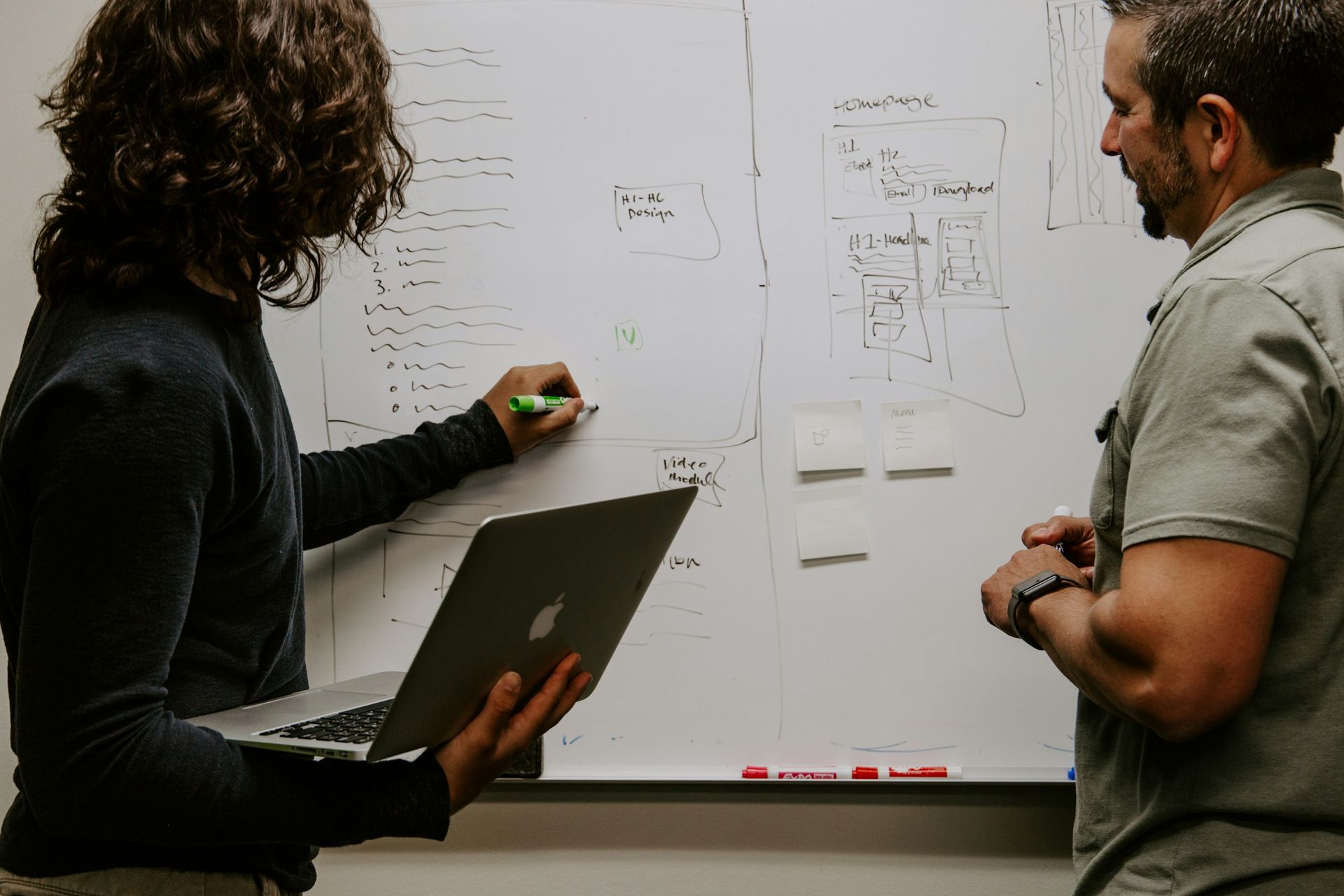
Speaking to each audience without sounding like several companies
In a medical device company, education, product, customer service, and events each publish on their own, and over time the company sounds different depending on who's writing. How communication territories are built so each team can speak to its audience within a single brand.