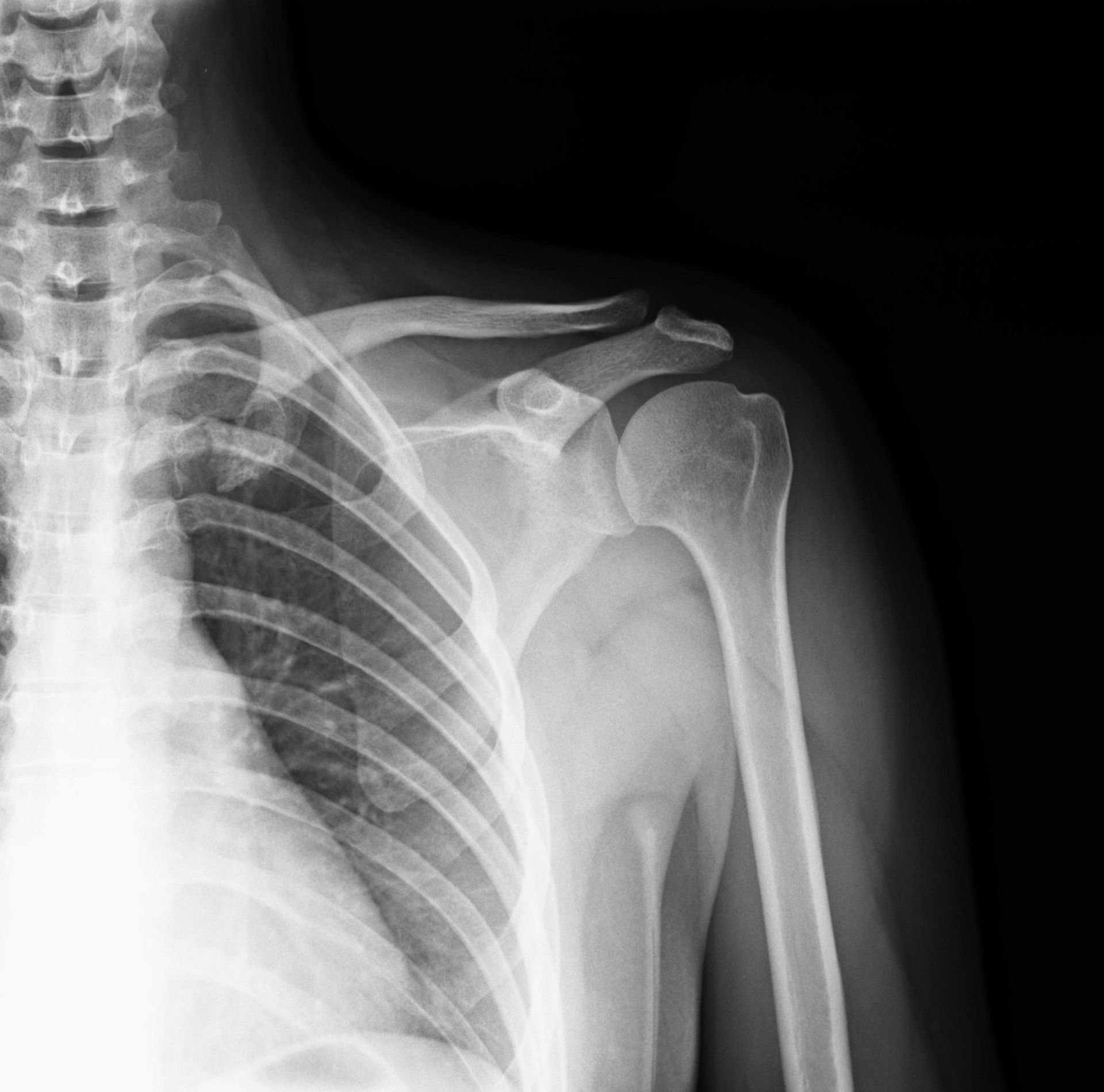
A surgeon in Bogotá searches for the surgical technique for a meniscal suture, and the first useful result is a PDF published by a manufacturer in another country. They don't know who the company is and don't care much: the document explains the procedure step by step, with the sizes of each component. For the company that published it, that visit is one of thousands coming from markets where it has never done anything specifically to appear in search.
In the medical device industry, technical vocabulary is shared across countries far more than commercial vocabulary. The name of an anatomical region, a procedure, or a type of implant is written the same way in Buenos Aires and in Monterrey. That's why technical content in Spanish travels on its own.
What the Countries tab shows
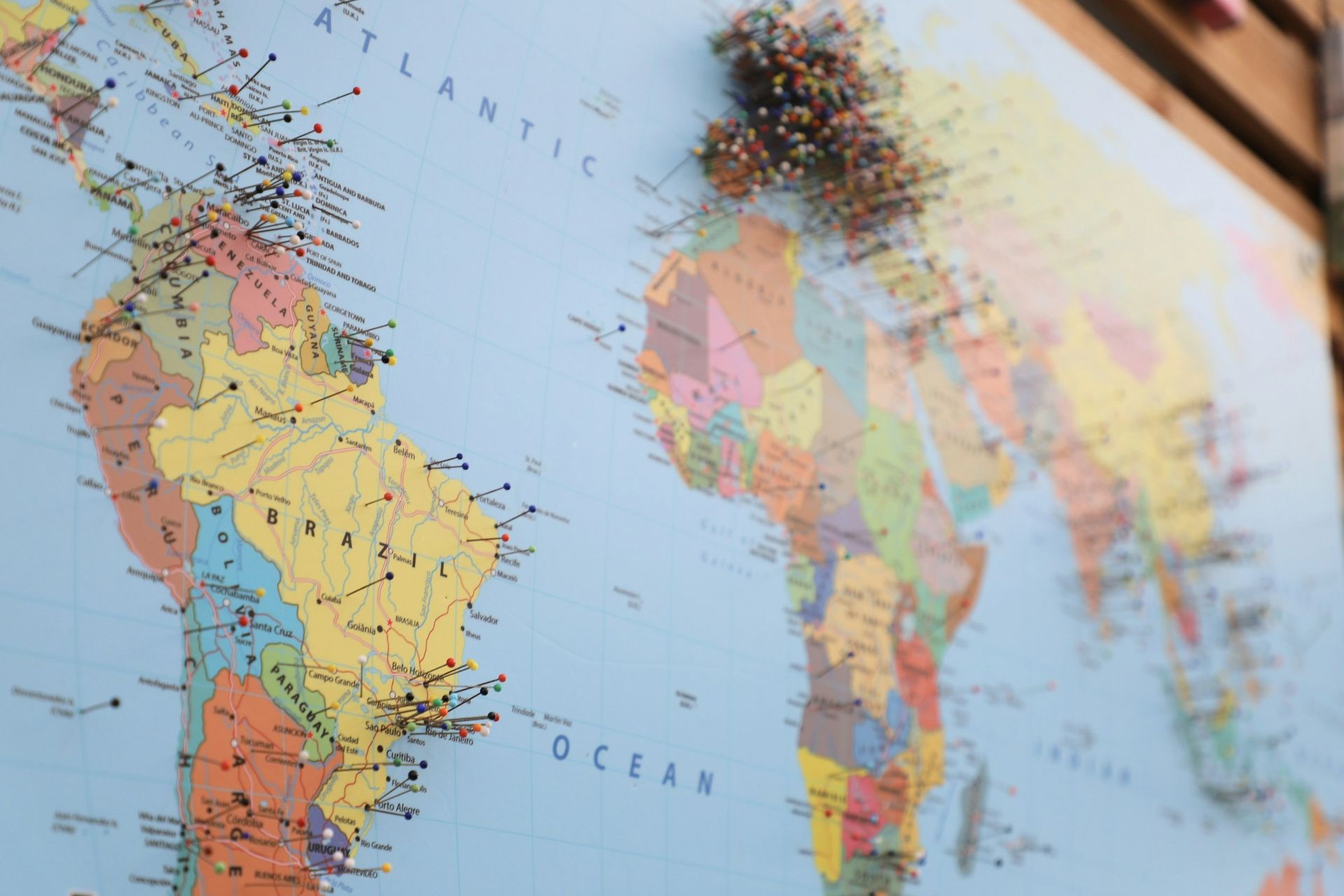
At SAI, an Argentine orthopedic manufacturer and distributor, the Countries tab in Search Console shows visits from 144 countries over the last sixteen months. Argentina accounts for 82.6% of clicks, as expected for a site written for that market and without country versions.
The rest of Spanish-speaking Latin America adds up to about 8,900 clicks and more than 450,000 impressions. The two countries that contribute the most:
- Mexico: 3,902 clicks and 162,720 impressions.
- Colombia: 1,609 clicks and 58,957 impressions.
Behind them come Venezuela, Chile, Peru, Ecuador, Panama, Paraguay, and Bolivia, each with a few hundred clicks. Nobody wrote a page for those markets.
Outside the country, the site shows up often and gets few clicks
The ratios change considerably from one side of the border to the other. In Argentina, out of every hundred times the site appeared on Google, about thirteen ended in a click. In Mexico it was two or three; in Colombia, fewer than three.
There's a reasonable explanation for that difference. In its home market, the company is well known and many people search for it by name. Abroad, most impressions come from technical searches in which the site competes with manufacturers from around the world for someone who doesn't know the brand. There, the click depends on how the result looks: whether the title gives the name of the product or procedure the way it was searched for, and whether it makes clear there's a surgical technique guide or a product page behind it.
In that sense, Mexico's 162,720 impressions are a list of searches in which the company is already present. It's exposure the site gained without a single page designed for that country.
What travels and what stays home
What circulates across the region is the technical content: product pages that use the implant's generic name, and surgical technique guides in PDF. It's the material a healthcare professional in any country needs to understand a product, and the material that took the company the longest to write.
What stays home is whatever depends on the local market. The buttons on SAI's website use Argentine Spanish (“Accedé,” “Conocé”), and that didn't stop anyone looking for a technique. Corporate pages and local news have little to do abroad. For a company thinking about other countries, that split sets priorities: neutral Spanish works best on product pages and in technical documentation, which are the pages already circulating.
How to check this on a company's own website
In Search Console, under Performance, the Countries tab gives the overall breakdown. The next step is to click a country (for example, Mexico) to set it as a filter, and then go back to the Queries and Pages tabs.
That country's query list, sorted by impressions, shows what people there search for when the site appears. The page list shows which pages are doing the work. If the top ones are surgical technique guides in PDF and product pages, the technical content is already circulating, and the question becomes how it looks on Google, starting with each result's title and description. If the top ones are the home page or corporate pages, there are technical searches in that market that the site doesn't yet have a page to answer well.
Services covered in this article