A four-person startup landed a small booth at the national congress for its specialty. They're bringing a prototype, a banner, and a brochure with a QR code. They built the website over a weekend with a template: a large image, a paragraph about the mission, and a form.
During the congress, a surgeon scans the QR code to take a closer look at the device later. A distributor from another country asks for “the catalog.” And the investor they're meeting on Monday opens the website on Sunday night, with the startup's pitch deck in the other tab. All three land on the same home page.
Three readers in the same week
The surgeon wants to know what the device is, what procedure it's designed for, and what stage it's at: whether it can be used, whether there's a study underway, whether it's still a prototype. The distributor wants to know which countries it can be sold in, what documentation exists, and who's behind it; we go into what they look at more closely in What a distributor looks at on a manufacturer's website. The investor looks for the team, the product's status, and whether what the website says matches what the deck says.
That last point is often overlooked. The deck gets updated every week, and the website stays as it was the day it went live. If one says “first cases in 2026” and the other says “coming soon,” the investor doesn't know which one holds, and that's where Monday's questions begin.
The minimum worth having in place
A product page, separate from the home page. With the final name, written the same way as in the brochure, the deck, and the company's LinkedIn profile. With only one product it seems like a detail, but it's the URL that the QR code, the follow-up email, and the link the distributor forwards to their partner will all point to.
The product's status, in writing and with a date. In development, in a clinical study, registered in a given country since a given month. A startup's product is usually at an intermediate stage, and that stage is exactly what all three readers want to know. What can be said about a product that isn't registered yet is defined by the company's regulatory team or its advisor; we go into it in Publishing a product that isn't registered yet.
The team, with names and backgrounds. In medical devices, who's behind the product matters: the surgeon who spotted the problem in the operating room, the engineer who designed the mechanism, the person in charge of quality and regulatory affairs. A team page with real photos and concrete track records answers a question the surgeon and the investor ask alike.
A contact option that tells who's writing. Three paths to the same small team: one for healthcare professionals, one for distributors, and one for investors and press. It doesn't take three people to handle them. It's enough for each message to arrive tagged, so the team knows what to reply and where each inquiry came from.
A document to send. A one- or two-page technical data sheet, with whatever the company decides to show, that can be downloaded or sent after a conversation. It's the first thing the distributor asks for and what the surgeon saves on their phone.
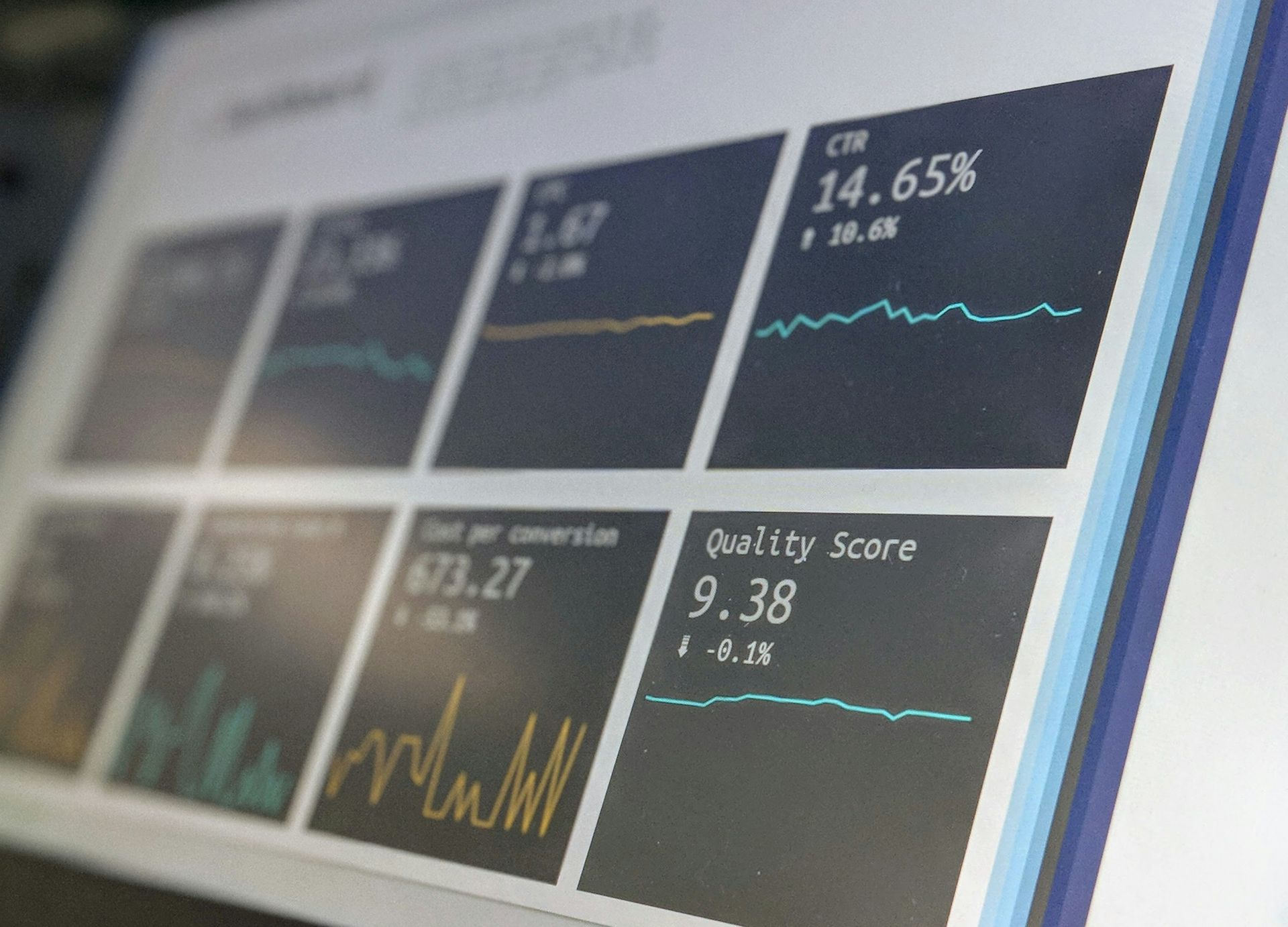
Measurement from day one. How many people came in through the booth's QR code, which page they opened, and how many got in touch. What happened during congress week can't be reconstructed afterward.
What can wait
A blog, a training area, a second language, or a full catalog can come later. What's worth deciding now is that the product is a content type with its own fields (name, status, documents, countries) and not a hand-designed page. When the second product comes along, a new one is added without redesigning anything, and the first product's page keeps its URL.
If the congress is too close to rebuild the website, a product landing page is enough, as long as it lives on the company's domain and at a URL that can stay when the site grows. The QR code on the brochure is printed once, and what happens to that URL afterward is covered in The QR code is already printed.
Before building, a clickable prototype is useful for showing the path through the site to a trusted surgeon and a potential distributor, and seeing whether they find what they're looking for without anyone explaining it to them.
After the congress
With congress week measured, the startup knows what the surgeons asked, what the distributor requested, and which pages the investor opened. That sets the order for what to add to the website first, and the next congress starts with more questions already answered. What needs to be ready when a product that's already registered is presented is covered in Launching a medical device.
Services covered in this article