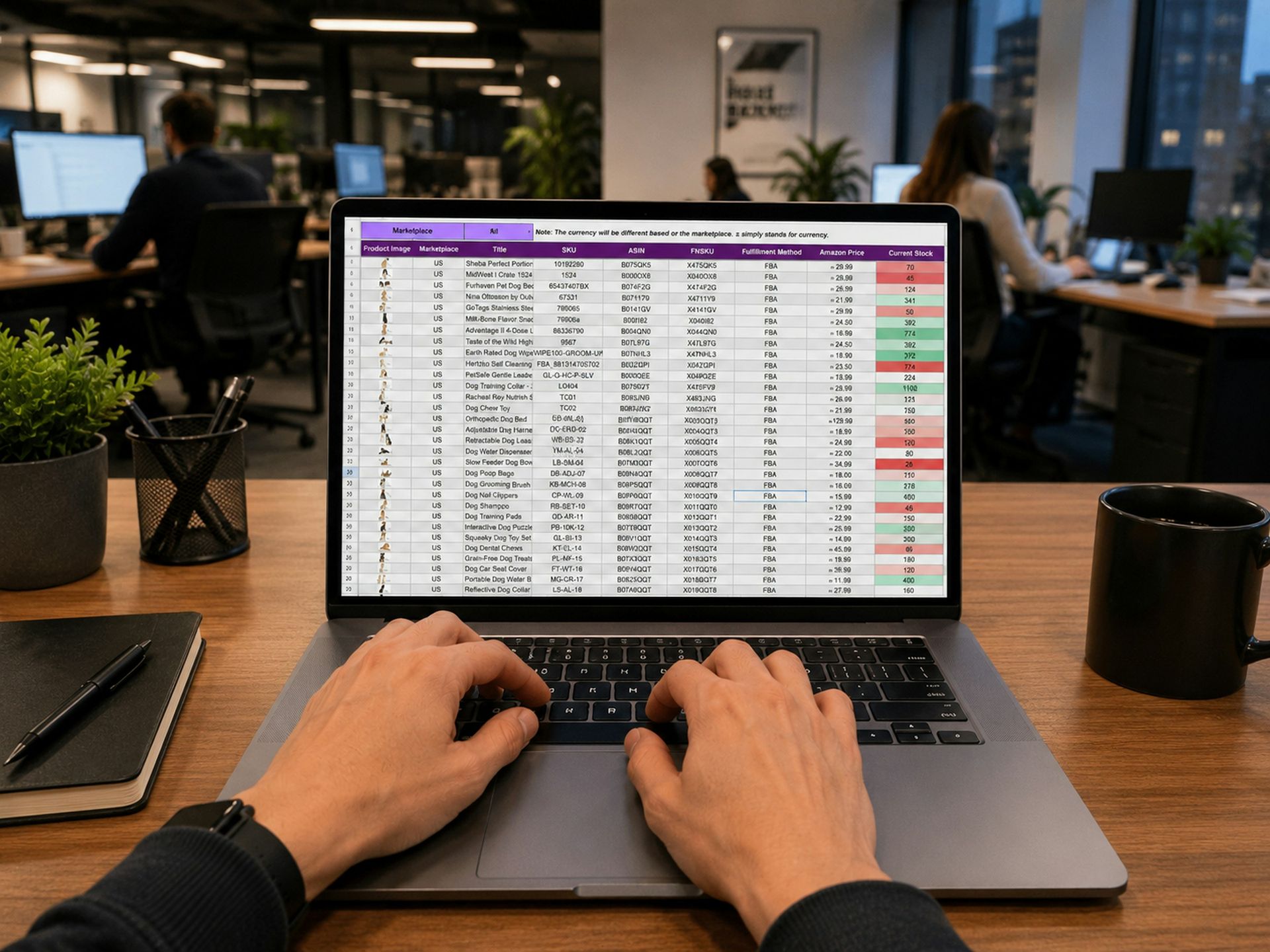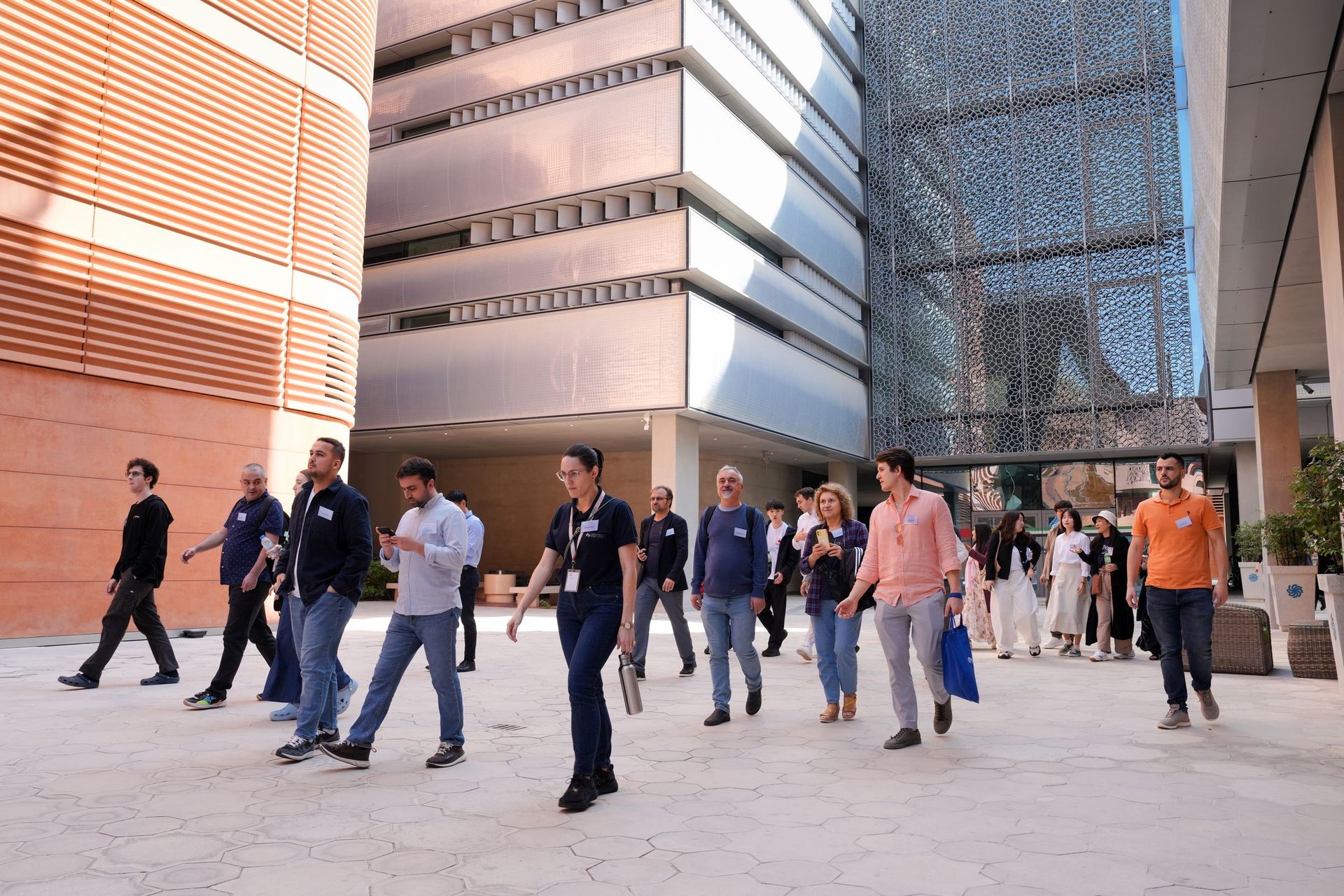
On September 17–18, 2026, PCR Rio Valves, a course on heart valves with 745 participants, took place in Rio de Janeiro. A few days later, the course page already had the session recordings, the slides and videos, the abstract book with all the papers presented, the certificates of attendance, and a section with the highlights of the edition: figures, scientific resources, and the opening and closing videos.
An international organizer treats the course as something people keep consulting after it's over. At many medical device companies, the congress ends with a post with photos from the booth, and what was presented at the symposium stays on the computer of whoever put it together.
What a congress leaves behind
A company that takes part with a symposium, a workshop, or a demo comes away with more material than it publishes:
- The recording of the symposium, if it was recorded, and the segments where the specialist explains a step of the technique.
- The slides from the specialist, or a version they agree to publish.
- The clinical case that was presented, with the product, the indication, and the outcome the specialist chose to show.
- The questions attendees asked, which are usually the same ones another physician will have about that product.
- The faculty, with their specialty and what they taught, who may come back for other events.
- The booth itself: what was shown, what people tried, and what visitors asked.
Each piece has a different shelf life. The booth photo is useful for that week. The explanation of the technique is useful as long as the product is in the catalog, and the questions are useful every time someone lands on the product page wondering the same thing.
A library connected to the product
For that material to be found months later, each piece goes onto the website as a content item of its own, with its data: which product it's about, which procedure, which specialty, who presents it, and at which event. With those relationships, the same video appears in three places without being uploaded three times: on the product page, on the specialist's profile, and on the congress page, which becomes an archive of everything that was presented.
The relationship that pays off most is the one with the product. A physician who reaches the product page from a search finds, below the specifications, the recording of a colleague using it and the questions others asked. One who arrives through the symposium video finds the product page one click away. In an industry where a technique video often draws more interest than a promotional piece (we show it with numbers in The surgical technique video that got twenty times more views than the sales video), that connection is what keeps the material working.
When the company runs its own course, the logic is the same, with even more material: program, stations, faculty, and techniques. We cover it for a cadaver lab in A two-day cadaver lab, six photos, and an article.
When the event belongs to someone else
At a congress run by someone else, the organizer often publishes the recording on its own platform, with access for registered attendees. The company can't always upload it to its website, but it can link to it from the product page and from the page about its presence at the congress, with the session title and the specialist's name. And it can publish what's its own: the case summary, the questions from the booth, a short interview with the specialist recorded on the same trip.
What gets published from each piece is decided by the specialist, the organizer, and the company, and the medical content is validated by the company's Medical Affairs team. Our job is to make sure each piece has a planned place on the website and stays connected to the product.
The publishing order
With the material logged, the calendar practically writes itself. The week of the congress: the article about the event and a thank-you to attendees. In the following weeks, one piece at a time: the recording or summary of the symposium, the case, the questions turned into a section on the product page, the specialist's profile. Each newsletter send can focus on just one of those pieces and lead to the product page, instead of repeating the booth photos on every channel.
What can be published afterward depends on what was agreed beforehand: whether it's recorded, who takes note of the questions, what the specialist agrees to share. That's decided in the weeks before, along with the announcement (The congress starts before the booth opens), and the page that welcomed physicians during the congress is the same one that later holds the archive.
A test, three months after the next congress: go to the product page for what was presented and see whether anything from that symposium shows up there.
Services covered in this article