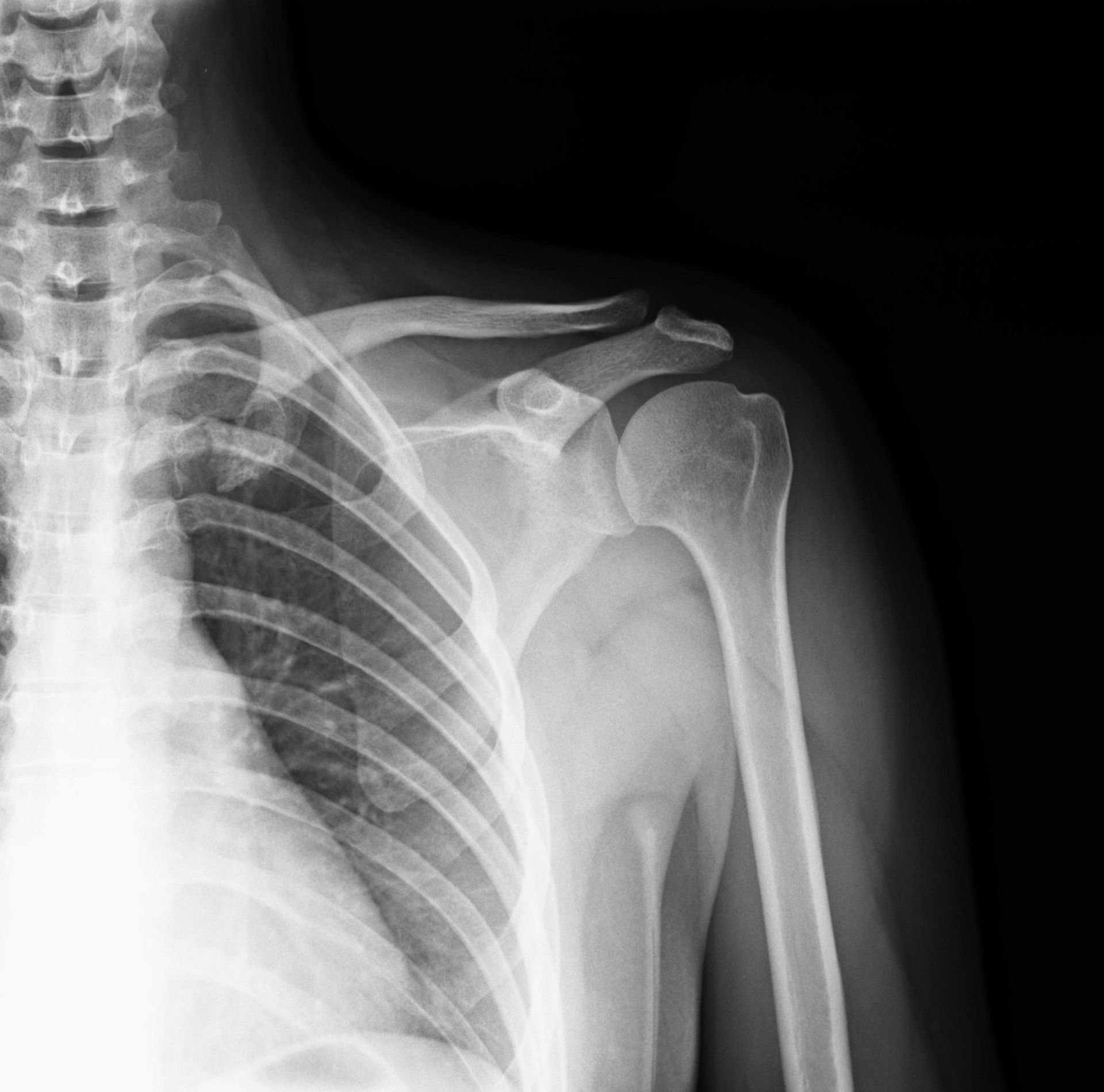
A manufacturer has a system approved in Europe and its registration pending in Colombia. Its Spanish-language website, built for Spain, has a page for the system with its indications, a video, and the surgical technique. A surgeon in Bogotá finds it on Google and writes in to request a demonstration. The page didn't say which countries the system was available in.
When the regulatory team finds out, they ask for the page to be taken down. Since the site has only one version of the page, Marketing unpublishes it for everyone, and Spain loses the product page for a product that was approved there.
Who decides what gets published
What can be said about a product that isn't registered, to whom, and in which country is defined by the company's regulatory team or its advisor. And the answer changes from one market to another. In Colombia, INVIMA's digital advertising guide treats the web page for a class IIa, IIb, or III device for professional use as advertising, which requires prior authorization. In Mexico, the messaging has to match what was authorized in the registration. In Chile, there's no specific regulation on device advertising, and general rules apply.
The same page can get three different answers, and that isn't something the website settles. What the website does settle is that each answer can be applied to one country without affecting the others.
Availability as data for each country
If the product page stores the product's status for each country (registered, pending, not yet submitted) and the registration number when there is one, the site can show each visitor what applies to their country. For a country where it's registered, the full product page. For one where it isn't, whatever the regulatory team approves: a neutral page, just the name and the list of countries where it's available, or nothing.
That way, the decision about Colombia doesn't carry over to Spain. And when the registration comes through, the change is a data update on the product page, not a new page.
Visitors choose their country in a visible selector, and the choice is saved. Guessing it from the connection doesn't work for the surgeon who looks at the site from a congress in another country.
Pages to discuss
There are pieces a company usually considers while the registration moves forward. None of them gets published just because it's on this list: they're options to review with the regulatory team, country by country.
An availability page. It says which countries the product is registered in, without describing it beyond what has been approved in each one. For someone arriving from a country where it isn't registered, it answers the question that would otherwise end up in an email.
A waiting list. A form where a healthcare professional or a distributor can ask to be notified when the product becomes available in their country. It records the country and the profile of the person writing in, and the text that goes with it doesn't anticipate what the product does. The day the registration comes through, that list gets the first email.
Information for investigators. If there's a clinical study underway, a page with the study as it appears in its public registry, the participating sites, and a contact for sites or investigators who want to join.
Distributor access. The technical material for someone evaluating whether to take on the line in a country where the product isn't registered yet, behind a login and under whatever confidentiality agreement the company uses. What a distributor looks for at that point is covered in What a distributor looks at on a manufacturer's website.
The copy, written and approved in advance
While the product isn't registered, any adjective can be a claim. A waiting list that promises “the system that will change shoulder surgery” says something nobody approved. That's why the copy for each status is written in advance, goes through the same validation as a product page, and is saved as a draft: the copy for the availability page, for the waiting list, and for the full product page that will be published when the registration comes through.
With the copy approved, on registration day the work is changing a status, checking the preview, and publishing. The product page is published at the same URL the availability page had, so links already in circulation, whether in an email or a QR code, keep working. We cover what has to be ready for the launch itself in Launching a medical device.
It's also worth keeping a record of what was published, in which country, and since when. If the regulatory team asks what a physician in Bogotá saw in March, the answer has to come from the website, not from someone's memory.
Services covered in this article