Input
We define what information starts the workflow: a product page, a template, an internal form, a document, or a set of approved fields.
Creativity · Strategy · Development · Impact
We design workflows that connect sources, context, AI assistance, review, and publishing in a repeatable process while keeping the human decision point visible.
The goal is to reduce manual tasks and repeated context rebuilding while keeping the sources, statuses, and approvals each piece needs visible.
Every new piece can start with context.
We define what information starts the workflow: a product page, a template, an internal form, a document, or a set of approved fields.
AI works with sources, terminology, and rules prepared for each task.
The system prepares drafts, variants, first-pass translations, or summaries, as defined for each task.
Fields, sources, and conditions are verified before moving on, and if information is missing, the workflow flags it.
The approval step is visible in the process and assigned to the right person or team.
When the system allows it, we record what was published, which source it came from, and what approval it received, to make later changes easier.
How it's designed
We follow how a piece is produced today from start to finish and where delays, copying, forwarding, or repeated decisions occur.
We distinguish mechanical tasks, editorial decisions, and validations that require a person.
Repetition alone doesn't make AI the right tool, and some human decisions don't need to remain manual.
We build a limited path and test it with real material.
Errors, exceptions, and stop conditions are documented.
The finished workflow has owners, statuses, and a way to update rules and context when the sources change.
Work · SAI
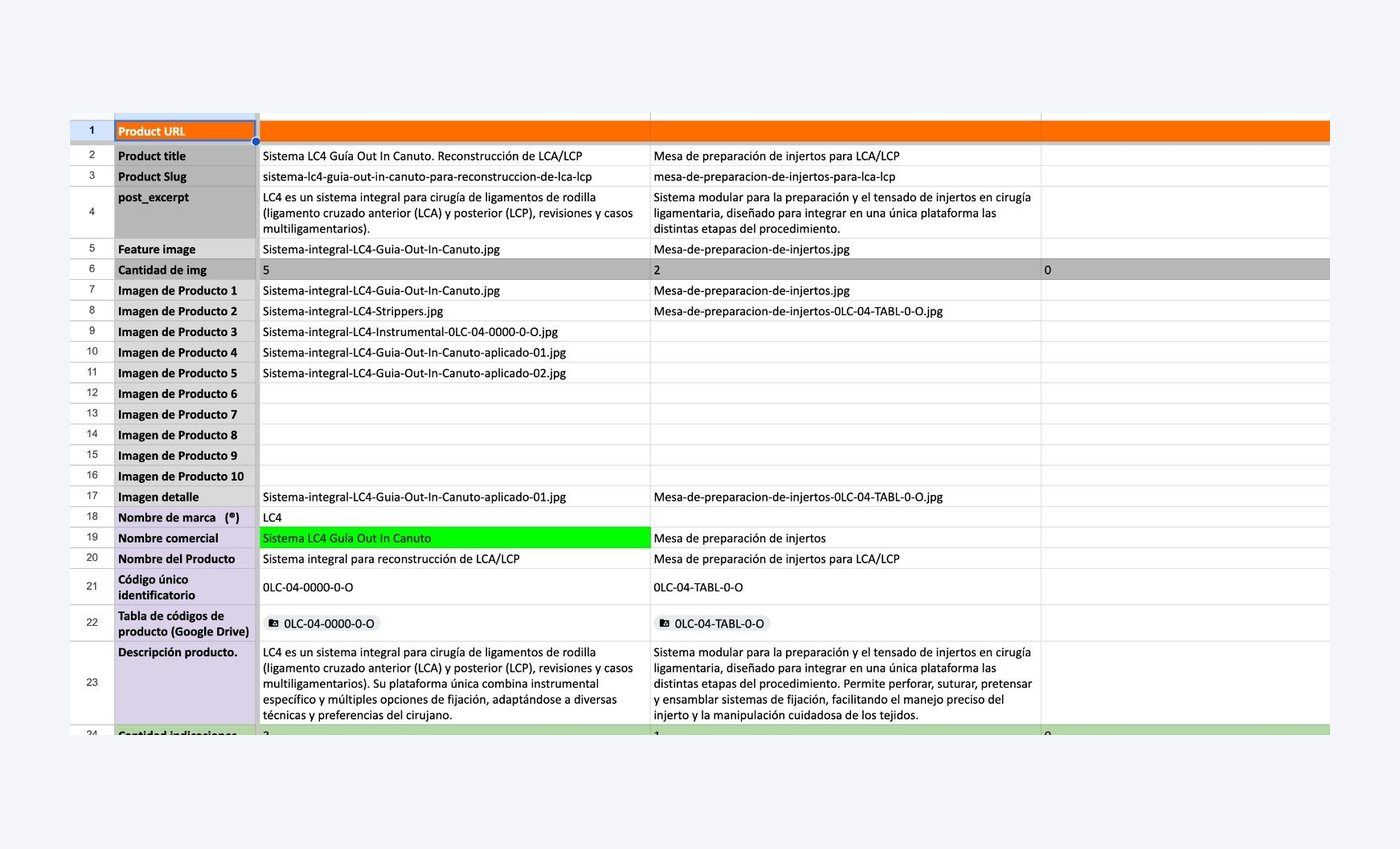
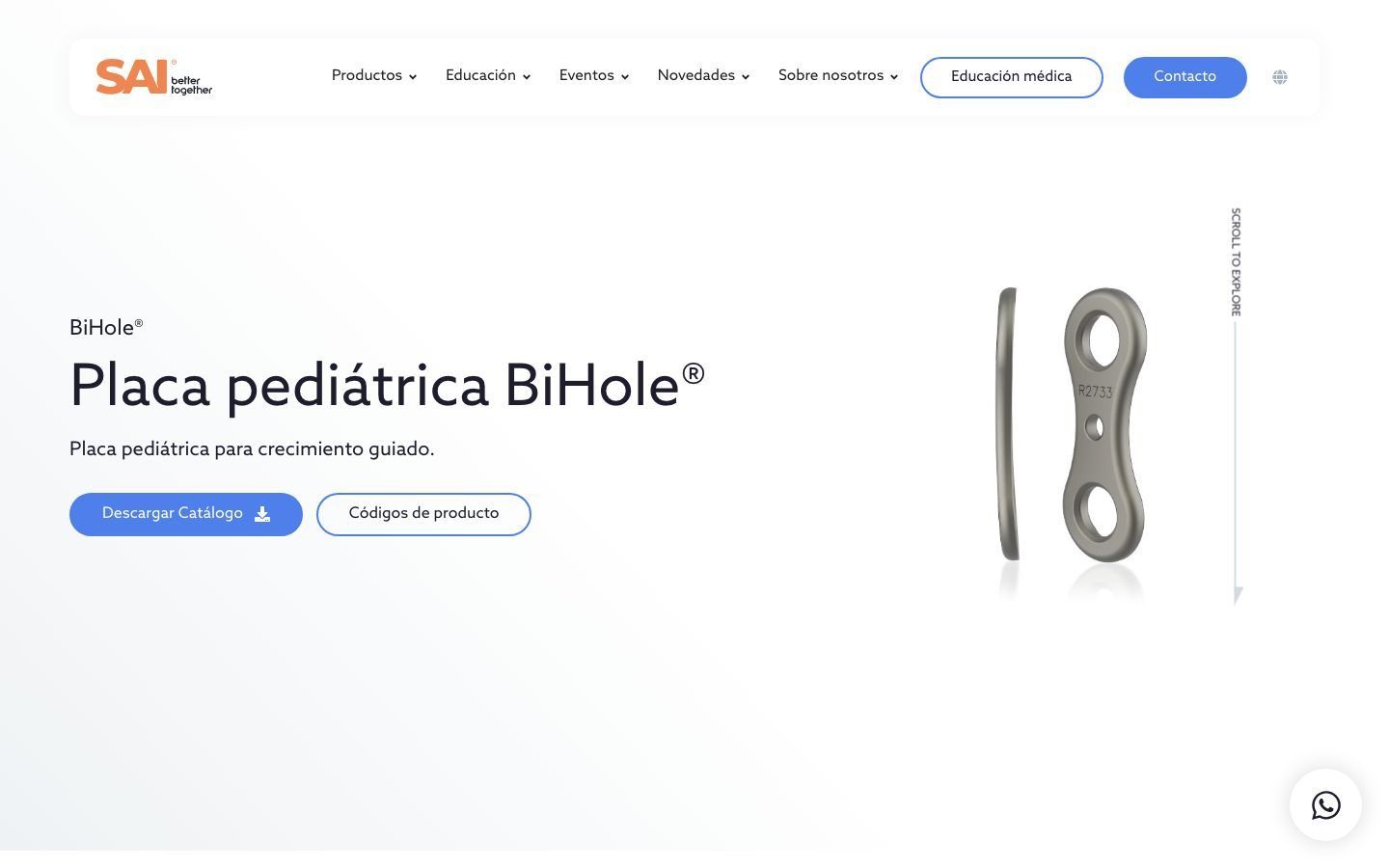
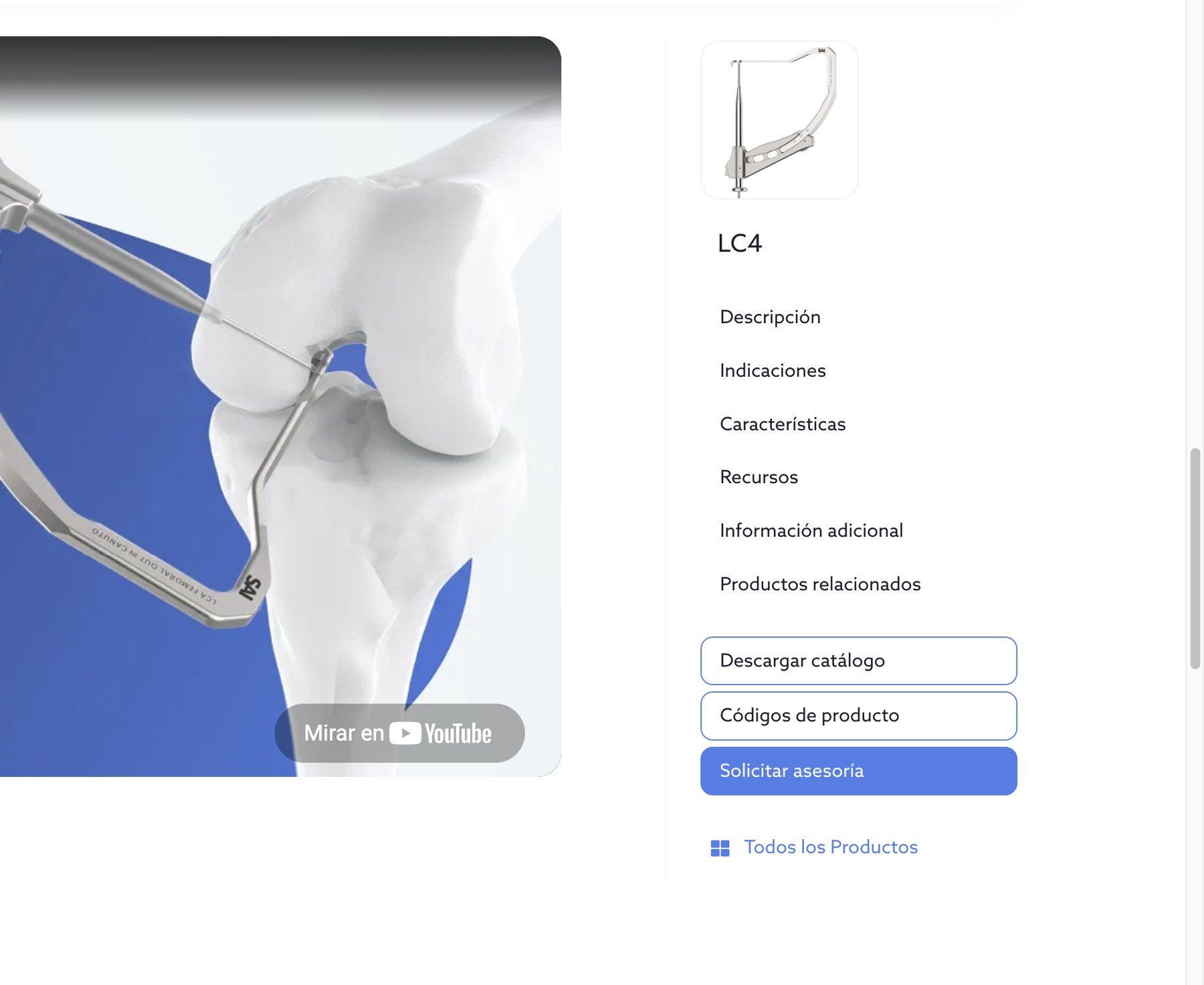
At SAI, a publishing workflow was set up in which Engineering fills in a bilingual template, and approval is visible cell by cell before the information reaches the public product page.
Working from approved documentation, yes, always as a draft. The company's medical team provides and validates the medical content.
They don't pass review. Efficacy claims, comparisons, and absolutes without support go back to the draft stage until the missing source is provided.
With instructions that carry the brand's voice and vocabulary, and formats for each type of piece. Whatever the review corrects goes back into the instructions.
As a first version, yes. The technical translation is reviewed by someone who knows the industry's vocabulary in that language.