Each question has three answers: got it, partly, or haven't thought about it. There's no score. At the end you see what's still pending, organized by stage, to take to the team.
Is it clear what has to happen at the congress for it to have been worth it?
Launching a product, finding distributors in another country, getting physicians to sign up for a course, setting up meetings with procurement. Each goal changes the booth, what gets published, and what gets measured afterward. One goal is enough.
Is it clear who the intended audience is?
A surgeon, a surgical technologist, a head of procurement, and a distributor walking the aisles looking for new lines all come for different reasons.
Is there a concrete reason to come to the booth?
A demo, a specialist available at a set time, a workshop, the new product in hand. “Visit us at our booth” isn't a reason.
Does the product you're going to show have its own page on the website?
With its description, its documents, and its own shareable URL. That's where all the congress materials will point.
Have you planned what you'll publish, on which channels, and starting when?
LinkedIn, the newsletter, the message to the sales team, the organizing society. Three or four weeks ahead is enough for the announcement to get around; one week ahead is too late.
Does every piece lead to a page on the website that explains the product?
A post that ends in a WhatsApp chat or on the home page loses the person who wanted to read more. Every piece should link to the product or event page.
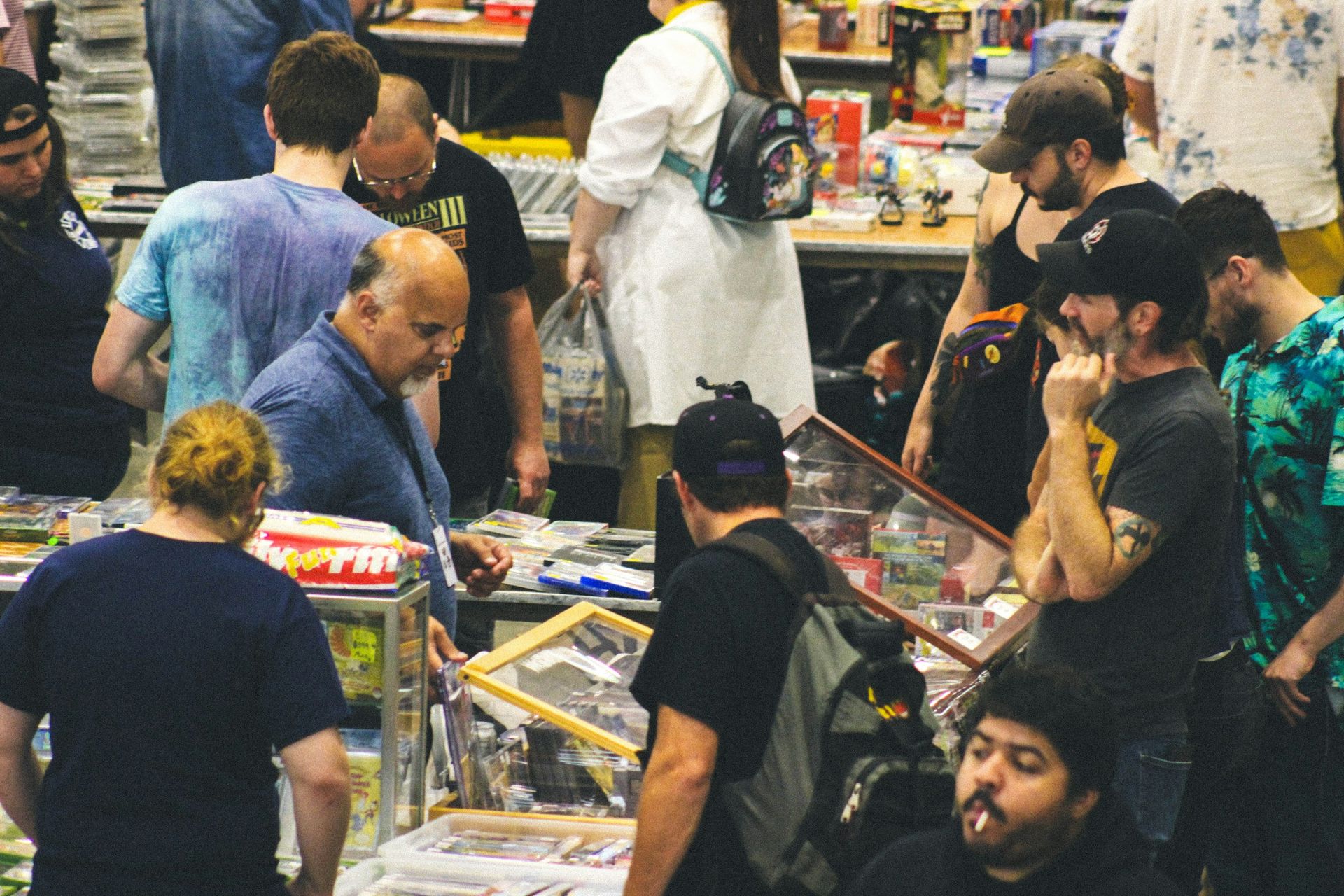
Does the booth team know which URL to share?
A QR code at the booth and on printed material that leads to the product page, not the home page. The sales team should have the same URL on their phones so they can send it on the spot.
Are you going to record what happens?
The questions physicians ask, the talks, the cases shown, photos taken with permission. It's the material for what comes next, and it gets lost if nobody gathers it as it happens.
How will you capture contacts, and what will you send them?
A spreadsheet, a form, or an app, with each person's specialty and what interested them. Without that information, everyone gets the same follow-up email.
Is the first week's follow-up ready?
The material promised at the booth, sent within five days, to each person based on what they were interested in. After two weeks, the conversation cools off.
Does the material produced at the congress have a place on the website?
The talk, the cases, the specialist's presentation: on a page connected to the product, so it stays useful months later and people who couldn't travel can find it.
Are you going to measure what the congress led to?
Visits to the product page in the weeks around the event, inquiries that came in, contacts by specialty. Without that, the next congress gets decided the same way as this one.