The congress booth is set up, and the new system will be presented tomorrow at a symposium. The sales reps already have the printed brochure, with a QR code on the back cover. That night, someone from the Marketing team scans the code to test it, and it opens the website's general catalog: the product page is still in draft, waiting for review by the technical team.
In a medical device launch, the website is where all the other pieces lead. The brochure, the email to the distributor, the congress presentation, and the message the sales rep sends the surgeon all point to a URL. If the product isn't at that URL, every piece falls back on a PDF attachment.
What has to be published before the date
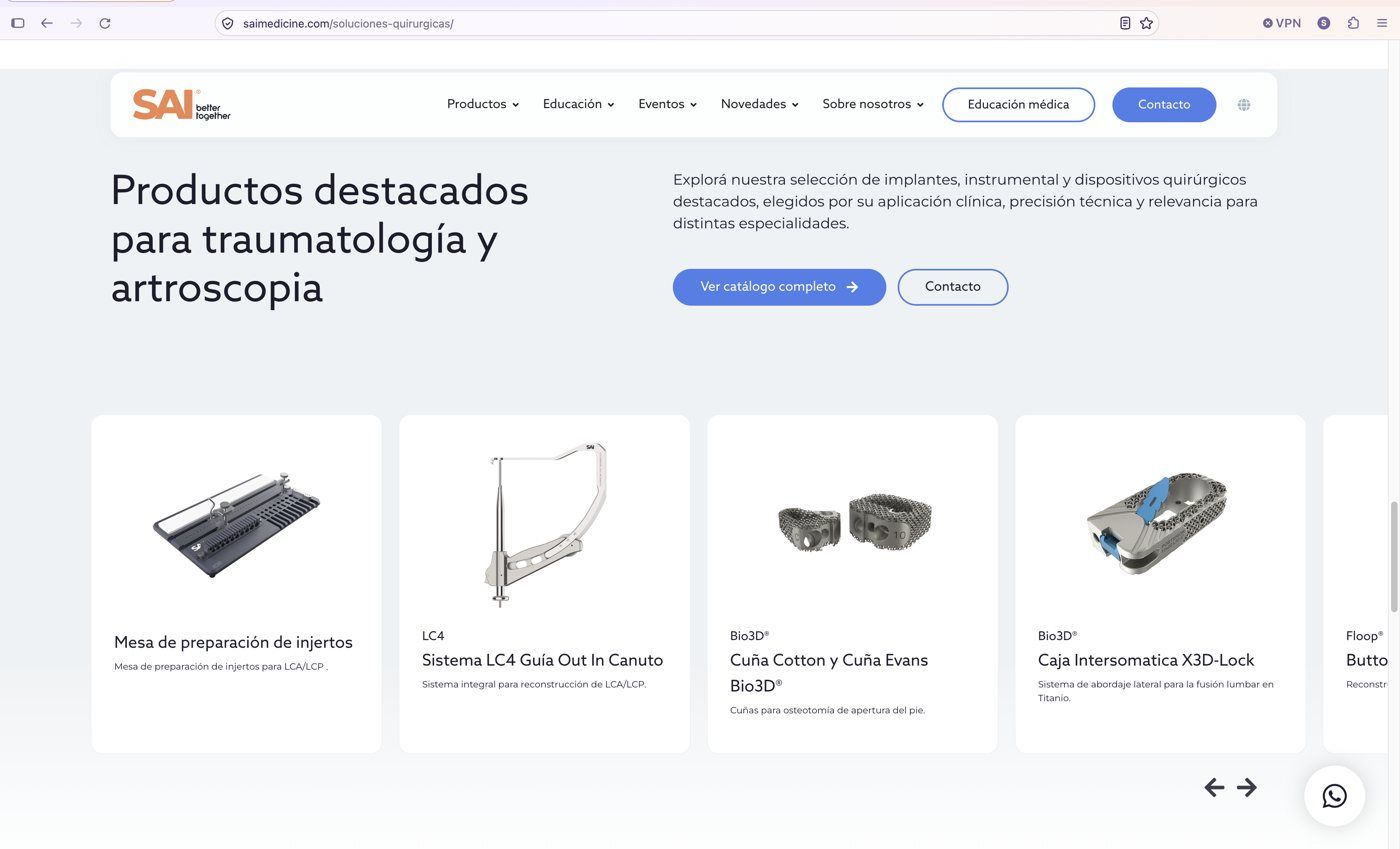
The product page, inside the catalog rather than on a standalone page. A new system belongs to an anatomical region, a procedure, and a family, and it has to appear in those paths the same day it's announced. If it's only published as news, a month later it's buried among the other news posts and nobody finds it from the catalog.
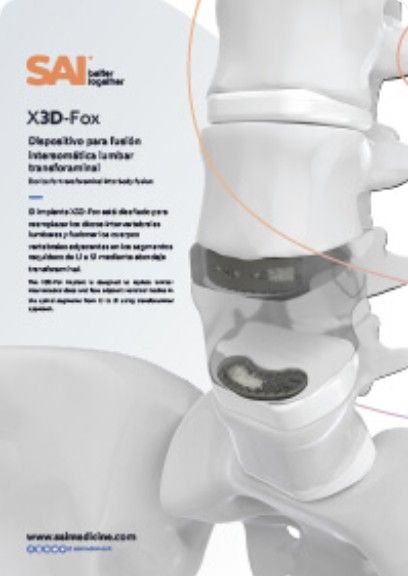
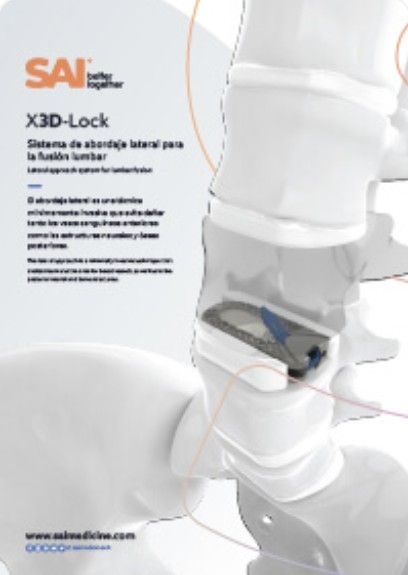
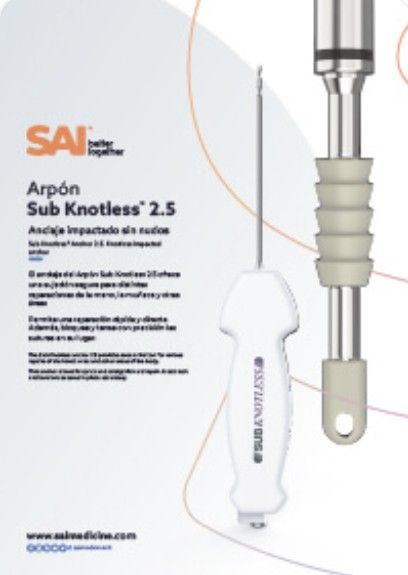
The documents the company decides to publish, next to the product page: the system catalog, the surgical technique guide, the IFU if applicable, and the codes for each product in the system. If any document is going to be printed with a QR code, its URL is defined before it goes to print, because it can't be changed afterward (we cover this in The QR code is already printed).
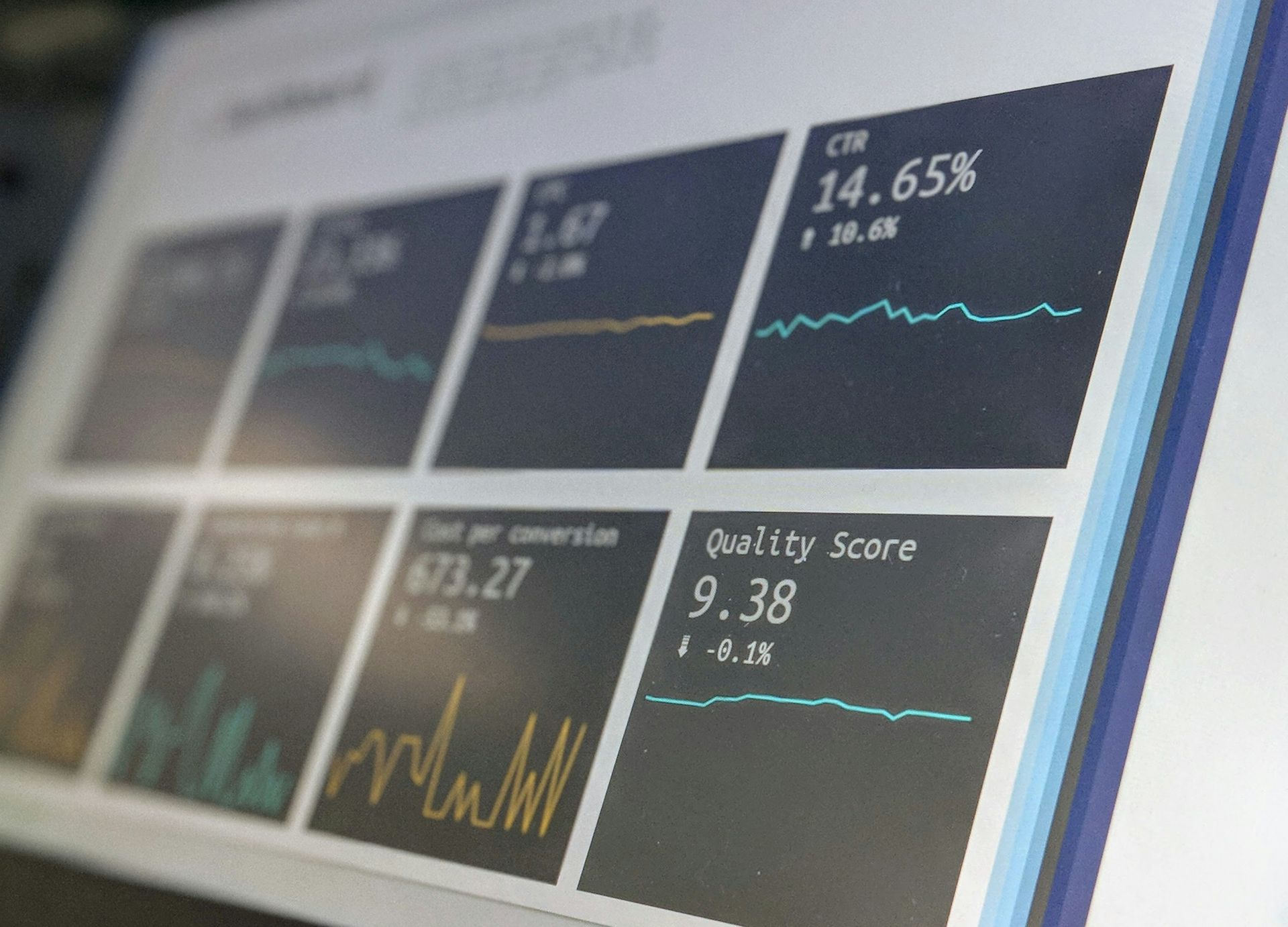
And a way to measure. The product page, the downloads of its documents, and the inquiries that come in from that page need to be tracked from day one: what happened in the week of the announcement can't be measured later.
What gets announced, and when
In this industry, validation is what moves the date. While the registration, a translation, or the review of a technical detail is still open, the date shifts, and a plan written with fixed dates has to be redone every time. A plan written relative to launch day (“one week before,” “on the day,” “ten days after”) survives those changes.
What can be announced before approval, in which countries, and to what extent is defined by the company's regulatory team. What can be done beforehand is to get everything ready: the product page entered as a draft and reviewable through a preview link, the copy approved, and the materials ready to go out when the green light comes.
A message for each audience
The surgeon wants to know which procedure the system is for and where the surgical technique guide is. The distributor needs the codes, the documentation, and something to forward to their customers. The company's own Sales team needs to hear about it before anyone else, because they're the first people who'll be asked.
That last audience is often forgotten. In this industry, much of the relationship with the surgeon goes through the sales rep, and a piece suggesting there's no longer any need to ask anyone reads as criticism of the company's own team. The website organizes the first point of access to information, and the sales rep stays involved.
The example of a website launch
At SAI, an Argentine orthopedic manufacturer and distributor, what launched on August 10, 2026 was a website, not a product. But the logic of owned channels is the same, and it works as an example.
The concept was three promises, each fulfilled by a section of the site, for products, education, and events: “More information. More training. More connection.” Before the date, the materials went out on the company's social media, in the newsletter, and through the sales reps' WhatsApp, hinting at something digital without naming the website: people who saw them already knew they came from SAI.
The team heard first, through an internal pre-launch email. On launch day, each sales rep received a message to forward on WhatsApp, written so it wouldn't sound like a mass message: they could adapt the greeting, but the information, the concept, and the link stayed the same. Then came separate newsletters by topic, on different days, and follow-up pieces showing what else could be found on the site.
For a product, the same approach looks like this: the Sales team gets the material before anyone else, the launch-day message links to the product page rather than the general catalog, and each follow-up send is devoted to one document or one indication at a time.
What follows the announcement
The product page is still live when the congress ends, and that's when it starts receiving the people who weren't there. The first data shows whether people reach the product page, whether they download the surgical technique guide, and whether they get in touch from that page. That's what decides the next send: if few people download the surgical technique guide, the next email can be about that guide alone.
Each later update about the product (a course, a case presentation, a new size) is another reason to link to the product page again. That way, the URL printed on the brochure keeps getting visits months after the launch.
Services covered in this article