Audiences
We define who needs information and how much detail they need: healthcare professionals, distributors, and sales teams arrive with different questions.
Creativity · Strategy · Development · Impact
We define what a company needs to say, to whom, with what arguments, and where it can sustain that conversation over time.
Products, education, support, innovation, and community can have different voices without producing disconnected messages. The strategy organizes those differences within a shared direction.
Each audience needs a different conversation. The company remains the same.
We define who needs information and how much detail they need: healthcare professionals, distributors, and sales teams arrive with different questions.
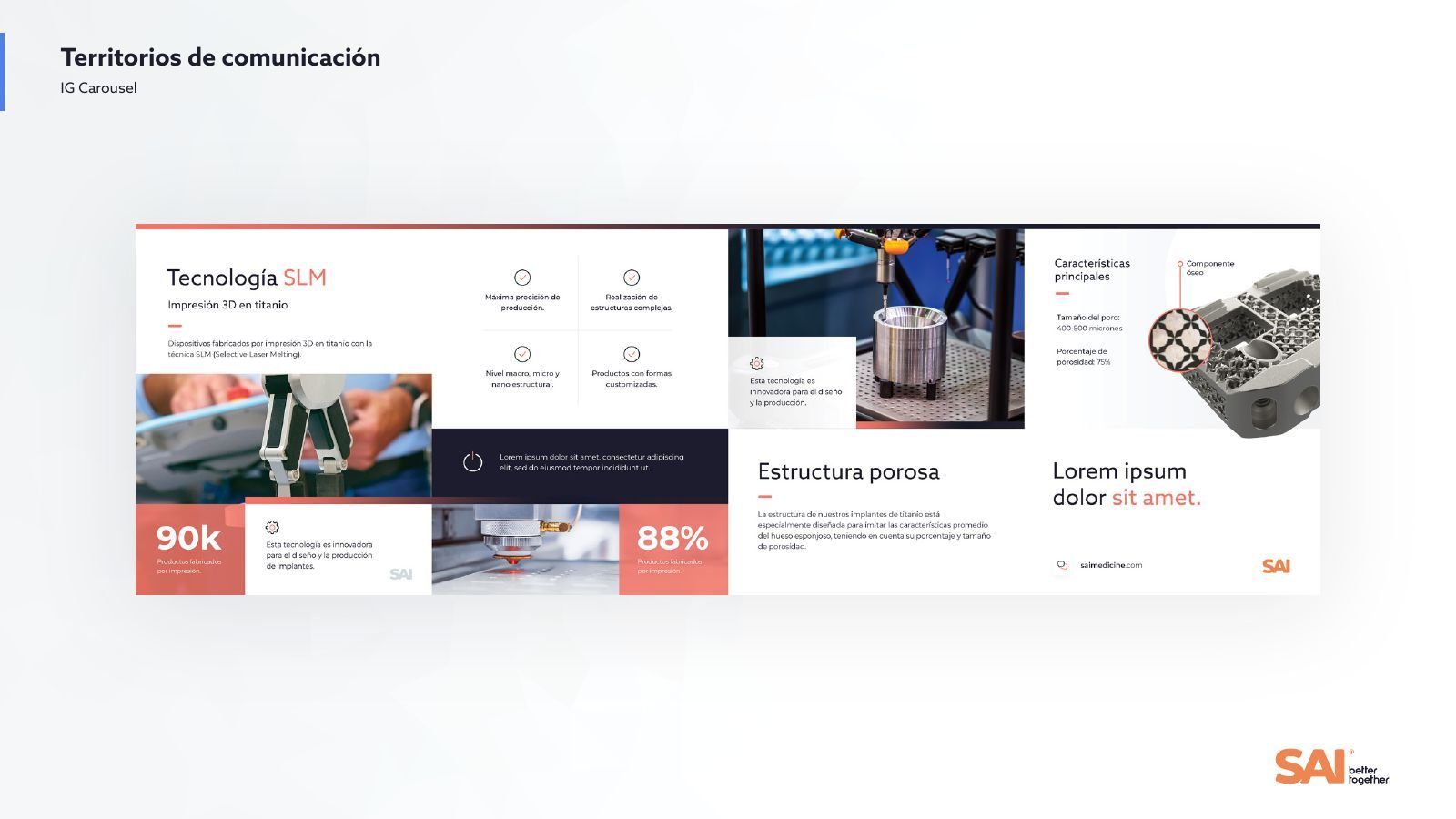
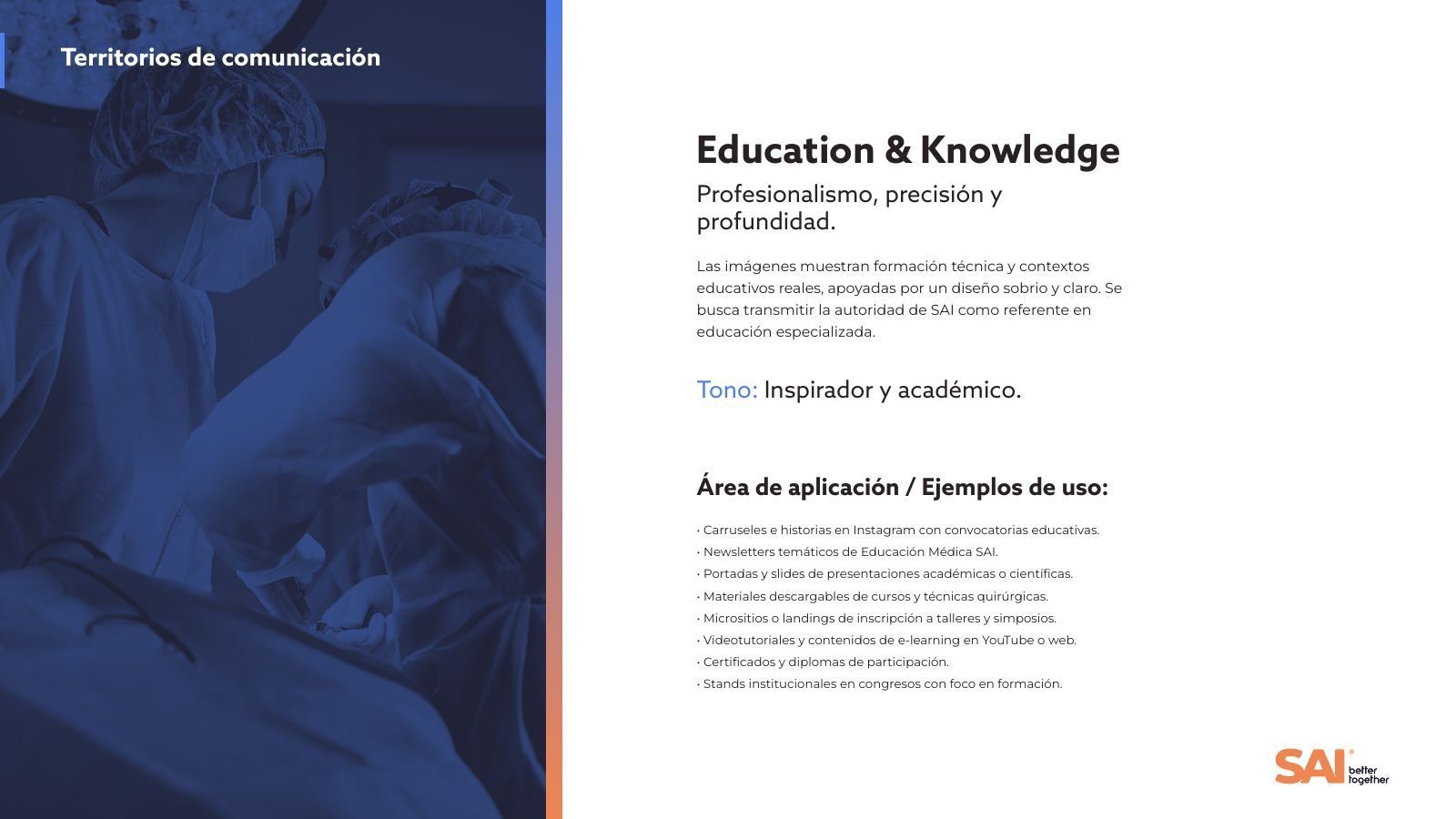
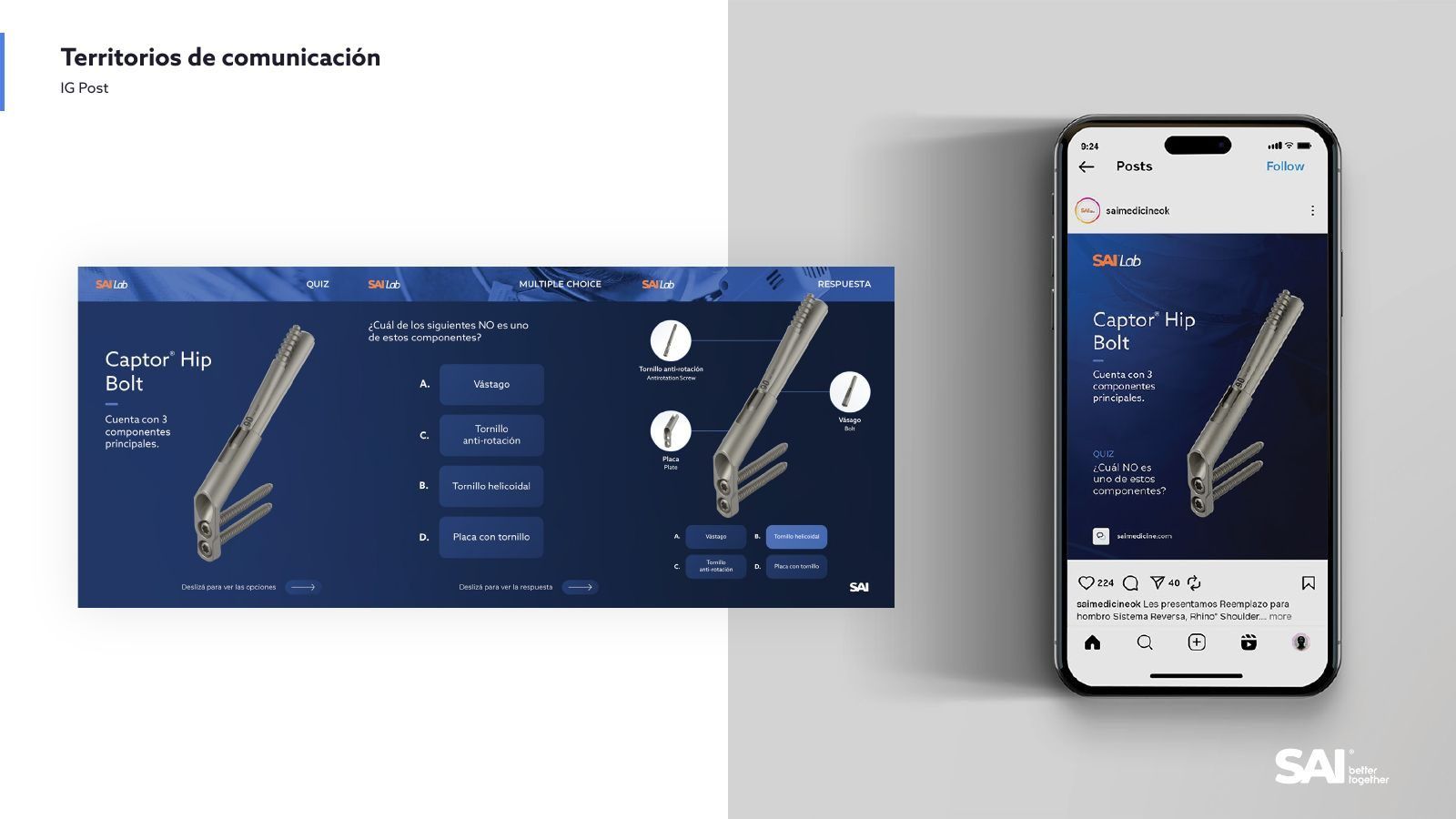
We group the topics the company can own over time, with messages and real examples.
We build key messages and arguments that are later adapted to each page, launch, or channel.
We connect each idea to the products, people, or documents that support it.
We define the role each channel plays: the website, LinkedIn, the newsletter, or a launch.
The strategy is documented so new pieces can be built without redefining from scratch what belongs to the brand and what doesn't.
How it's defined
We gather materials and talk with the teams that know different parts of the company.
The goal is to spot what they repeat, what they value, and what they explain differently.
We group topics, audiences, messages, and evidence.
Some ideas overlap; others seem important internally but don't yet have enough material to support them externally.
We define the territories and messages that deserve space.
We also identify what's better kept in the background, so the communication doesn't make everything seem equally important.
We apply the strategy to real situations: a page, a launch, an article, an email, or a presentation.
That's where we see whether the framework helps with decisions or still needs adjustment.
Work · SAI
At SAI, the brand conversation started with seven pillars. During the work it became clear that not all of them had the same weight or the same capacity to sustain content at that point in the company's development.
Audiences, messages backed by evidence, territories, a voice guide, a validation workflow, and a plan for each channel.
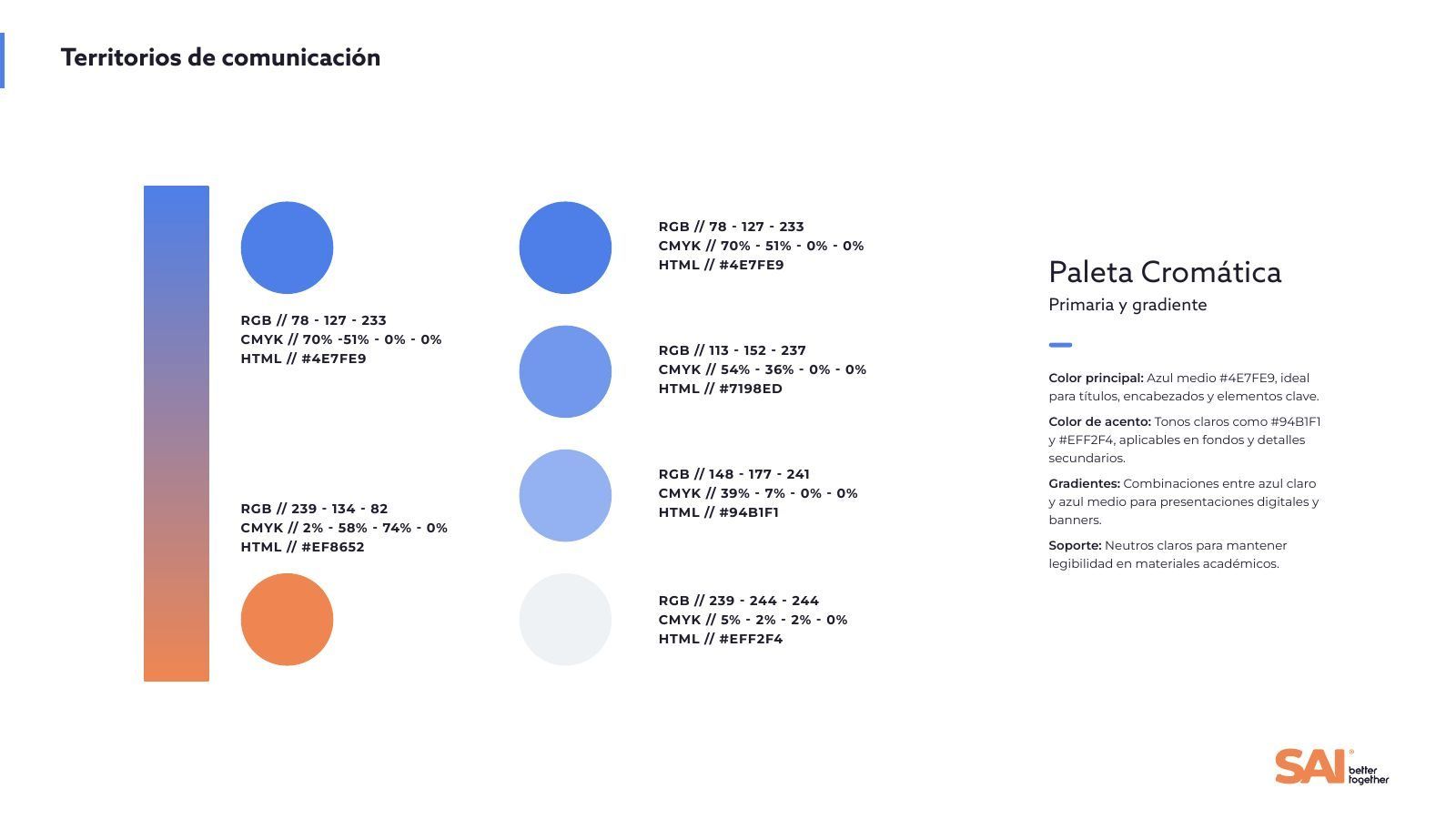
Zones with their own tone and rules that let each team speak to its audience without fragmenting the brand. They come from each company's real audiences.
That's defined in the strategy. Usually, Product validates technical content, Medical Affairs validates clinical content, and the regulatory team validates anything that makes a claim about the product.
Yes, the company's own social media, along with the website, the newsletter, material for distributors, and congresses. It says what gets published, when, and who produces it.
Not necessarily. If a deeper evolution is needed, that's brand positioning work.