Services › Content
Make everything the company already knows visible.
We turn technical knowledge, experience, documentation, and the material the company already produces into content with a purpose, an audience, and a place to live.
Why content?
Much of the content exists before anyone calls it content.
It's in technical data sheets, IFUs, presentations, training sessions, emails, questions the sales team gets all the time, and people who have known a product for years.
Sometimes that knowledge was never written for the web. Or it was written for another use: a PDF meant to be printed, a presentation meant for a talk, a technical document meant for internal validation.
Publishing it as-is leaves out an important part of the work: deciding who it's useful for, where it should appear, and what else it needs to connect with.
Writing starts with finding the right source.
The ordinary can become something distinctive when someone knows where to look.
The approach
Content becomes sustainable when it has a source, a place, and an owner.
Knowing where it comes from
A technical statement, a product feature, and a corporate message aren't built on the same kind of evidence.
Knowing who it's written for
The same company can speak to a surgeon, a distributor, a patient, or its own team. The context changes how much needs to be explained and how.
Knowing who validates it
Product, Medical Affairs, Quality, the regulatory team, or Communications may step in at different points.
Knowing where it gets reused
A solid base lets the same knowledge feed a product page, an article, a newsletter, or an AI-assisted workflow without copying and pasting from scratch.
Ways of working with knowledge
Content audit
We gather what already exists and see what's still current, what's duplicated, what's missing, and where the version the team considers valid lives today.
Learn about the serviceContent and keyword strategy
We define which questions are worth answering, which topics the company can cover, and what words its audiences use to search for them.
Learn about the serviceWeb copywriting
We write corporate pages, product pages, solutions, content for healthcare professionals, and other pieces based on real company information.
Learn about the serviceAI Context
We organize the sources, terminology, relationships, and rules AI needs to have better context about the company and its products.
Learn about the serviceAI content workflows
We design processes where sources, context, production, and validation can connect.
Learn about the serviceNewsletters and email marketing
We treat the company's own list as an editorial channel: what deserves to be sent, to whom, how often, and what content it should lead readers to.
Learn about the service Content auditWe gather what already exists and see what's still current, what's duplicated, what's missing, and where the version the team considers valid lives today.
 Content and keyword strategyWe define which questions are worth answering, which topics the company can cover, and what words its audiences use to search for them.
 Web copywritingWe write corporate pages, product pages, solutions, content for healthcare professionals, and other pieces based on real company information.
 AI ContextWe organize the sources, terminology, relationships, and rules AI needs to have better context about the company and its products.
 AI content workflowsWe design processes where sources, context, production, and validation can connect.
 Newsletters and email marketingWe treat the company's own list as an editorial channel: what deserves to be sent, to whom, how often, and what content it should lead readers to.
How it's built
The real material defines what content is worth creating.
Sources
We gather documents, existing materials, and the people who know each topic.
We distinguish what's approved, what needs updating, and what's still missing.
Inventory
We organize what content exists, where it is, and what it can be used for.
Duplicate versions also turn up, along with formats that no longer fit how they're used today and topics nobody has written yet.
Structure
We define content types, audiences, relationships, and priorities.
A surgical technique, a product page, and an article can share a source, but they serve different functions.
Writing
The knowledge is put into a format designed for where it will be published.
When AI is used, it works from the available context and within explicit rules.
Validation
Each part goes back to the right person.
Medical, technical, or regulatory content isn't filled in by inference when information is missing.
Publishing and continuity
The content goes onto the website, into a newsletter, into a library, or into a workflow that allows it to be reused.
Whatever changes later goes back to the source and can update everything else.
Work · SAI
The knowledge was already in the company. It still had to be turned into content for the web.
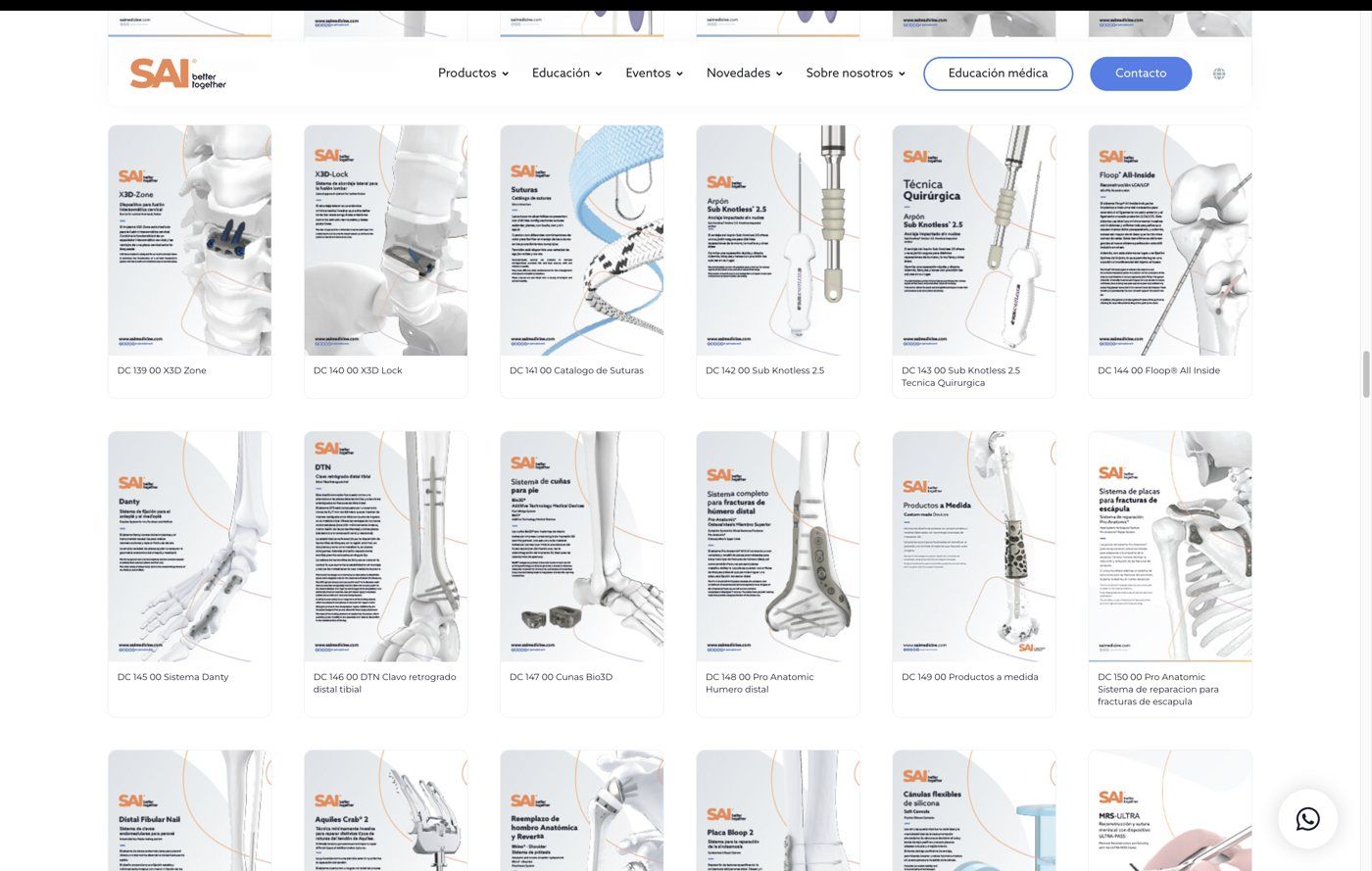
Part of the material was in catalogs, technical documentation, and presentations, and part of it was held by people across different teams.

Ideas
Some questions come up every time a company starts making better use of what it knows.
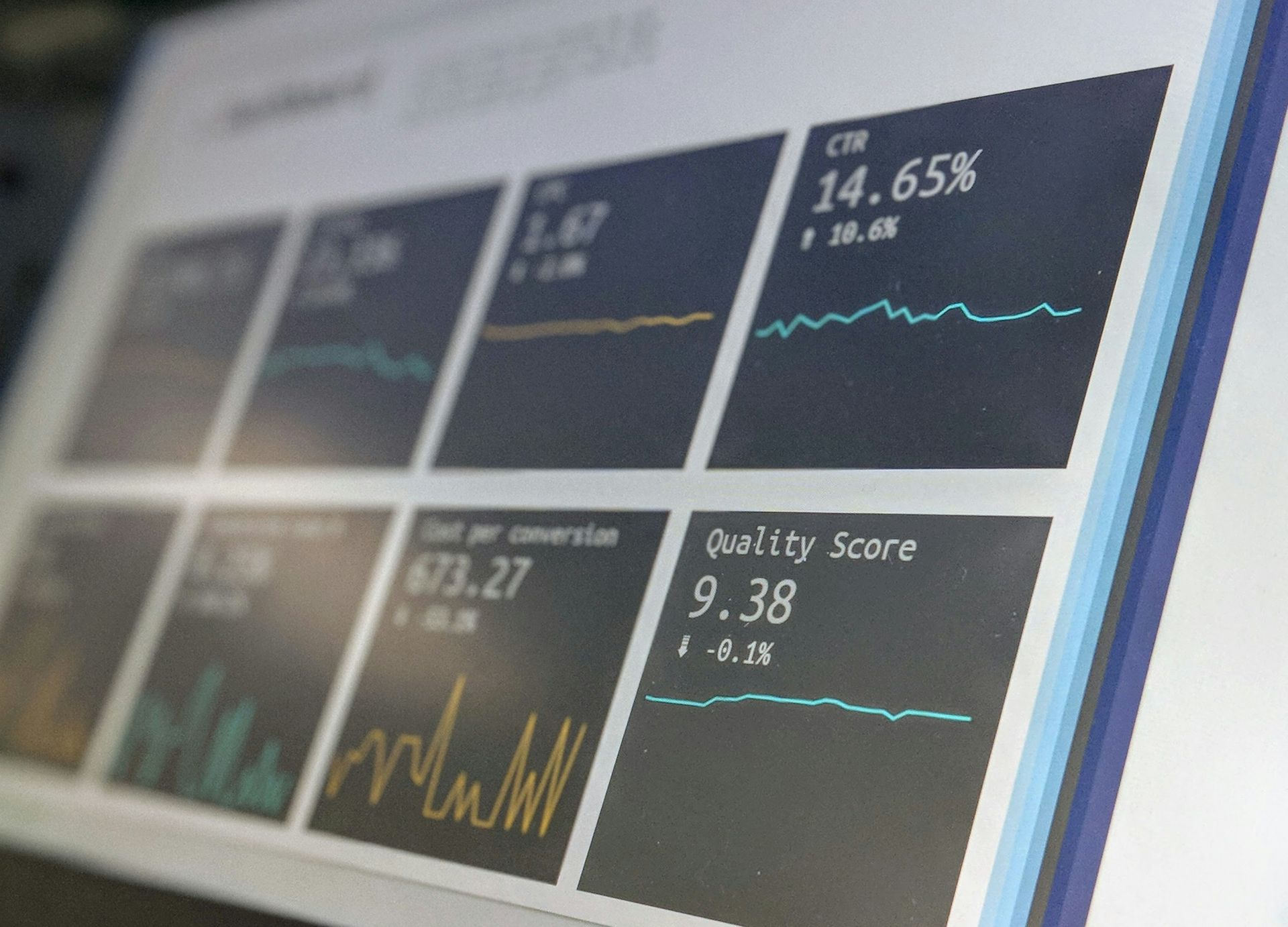
When product pages start getting clicks from Google
On many medical device websites, Google sends people to the PDF catalog instead of the product page. This is visible in the company's own Search Console, and it changes when the product information moves to the product page.
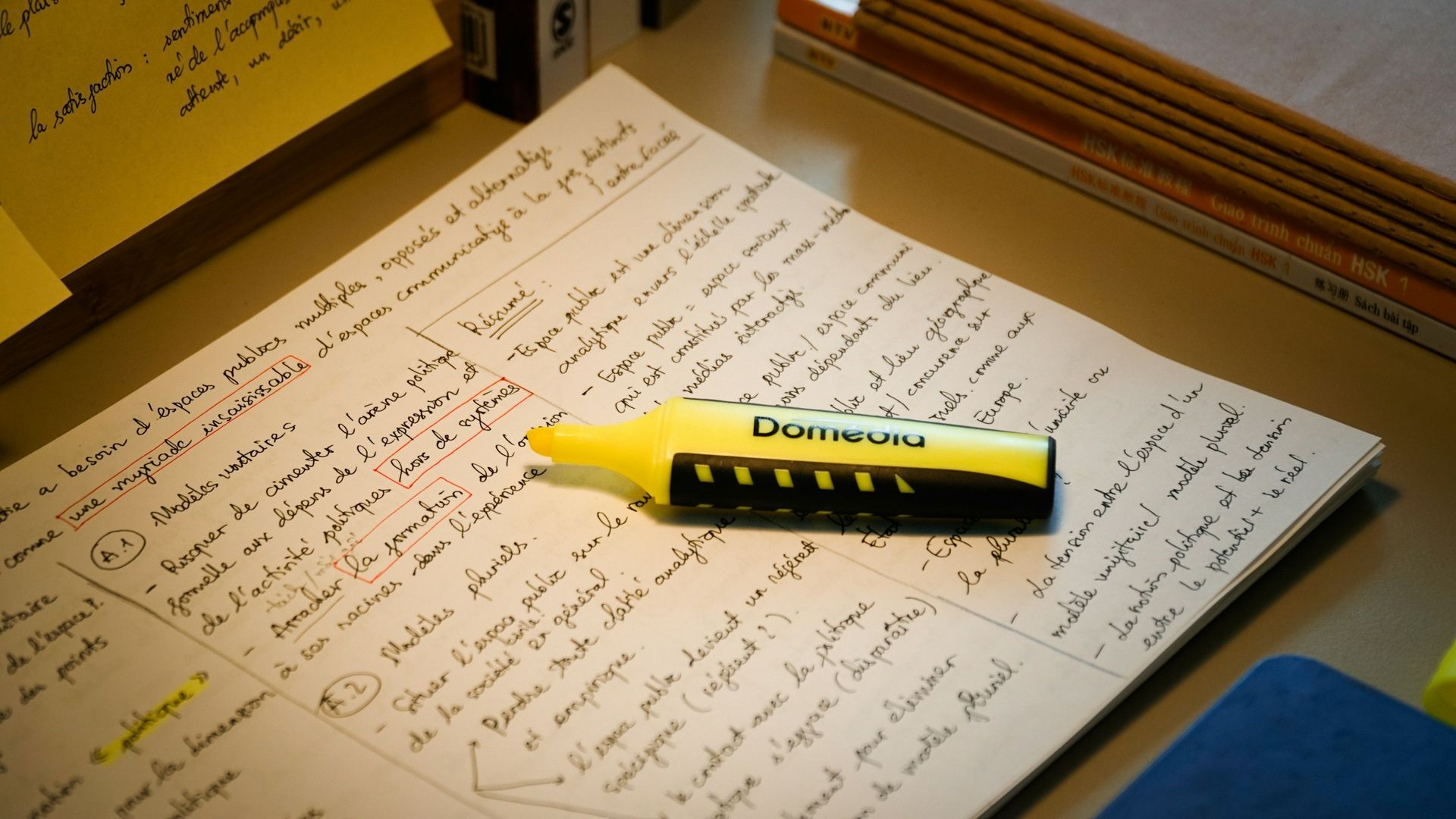
Why we write before we design
A page designed with placeholder text looks finished until the real content arrives. On a medical device website, that content brings long names, code tables, approved documents, and a second language.
How to break down a PDF catalog before designing the product pages
Before sketching a product page, you have to open the PDFs that will feed it. That's where the fields come from, along with the relationships between products and documents, and which files get published in full.

What a medical device product page needs to have
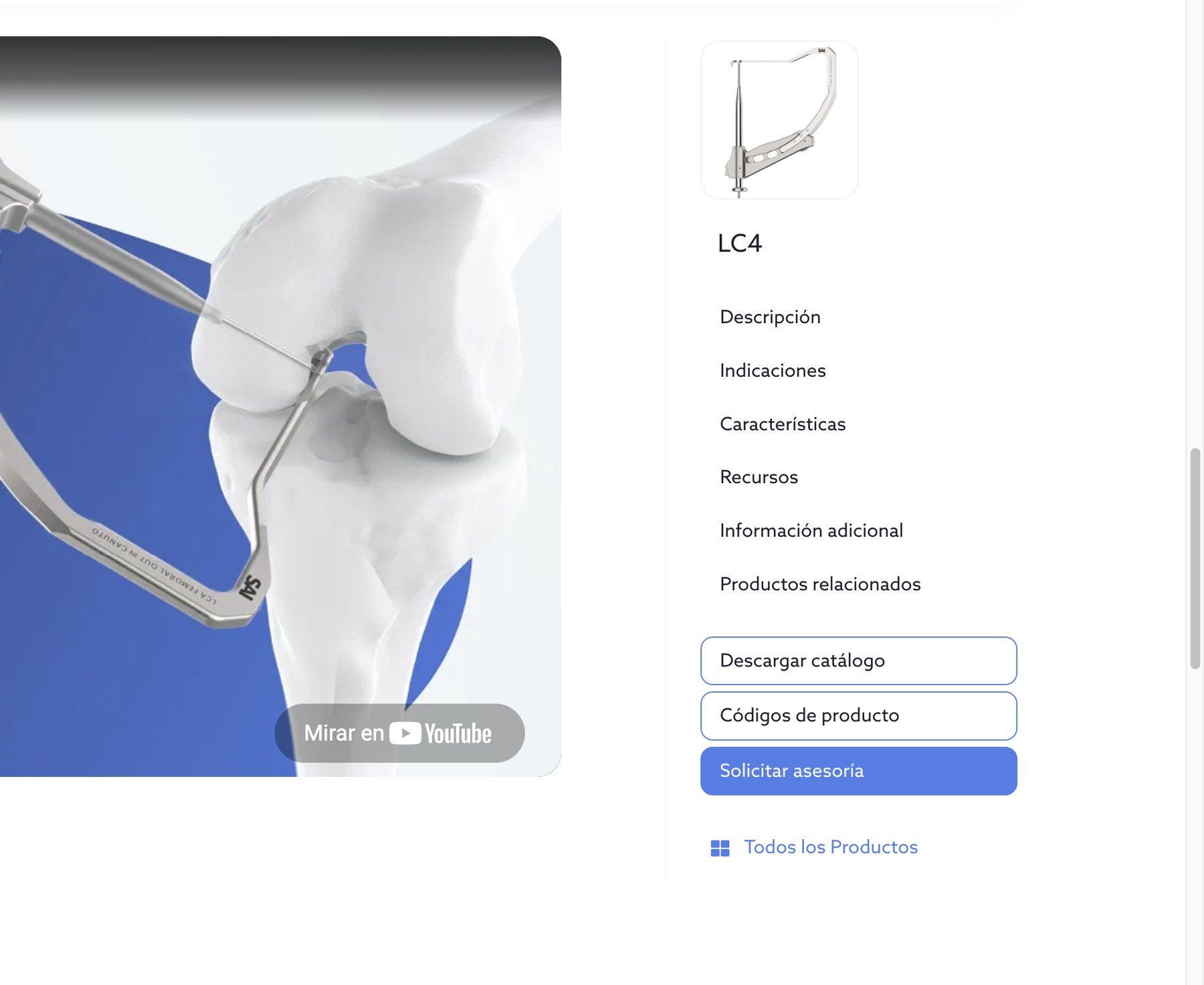
The same product page may be visited by a surgical technologist with a code, someone from Purchasing with a tender file, and a distributor with an old PDF. What information each one needs, in what order, and which information the company chooses to show.
A two-day cadaver lab, six photos, and a short article
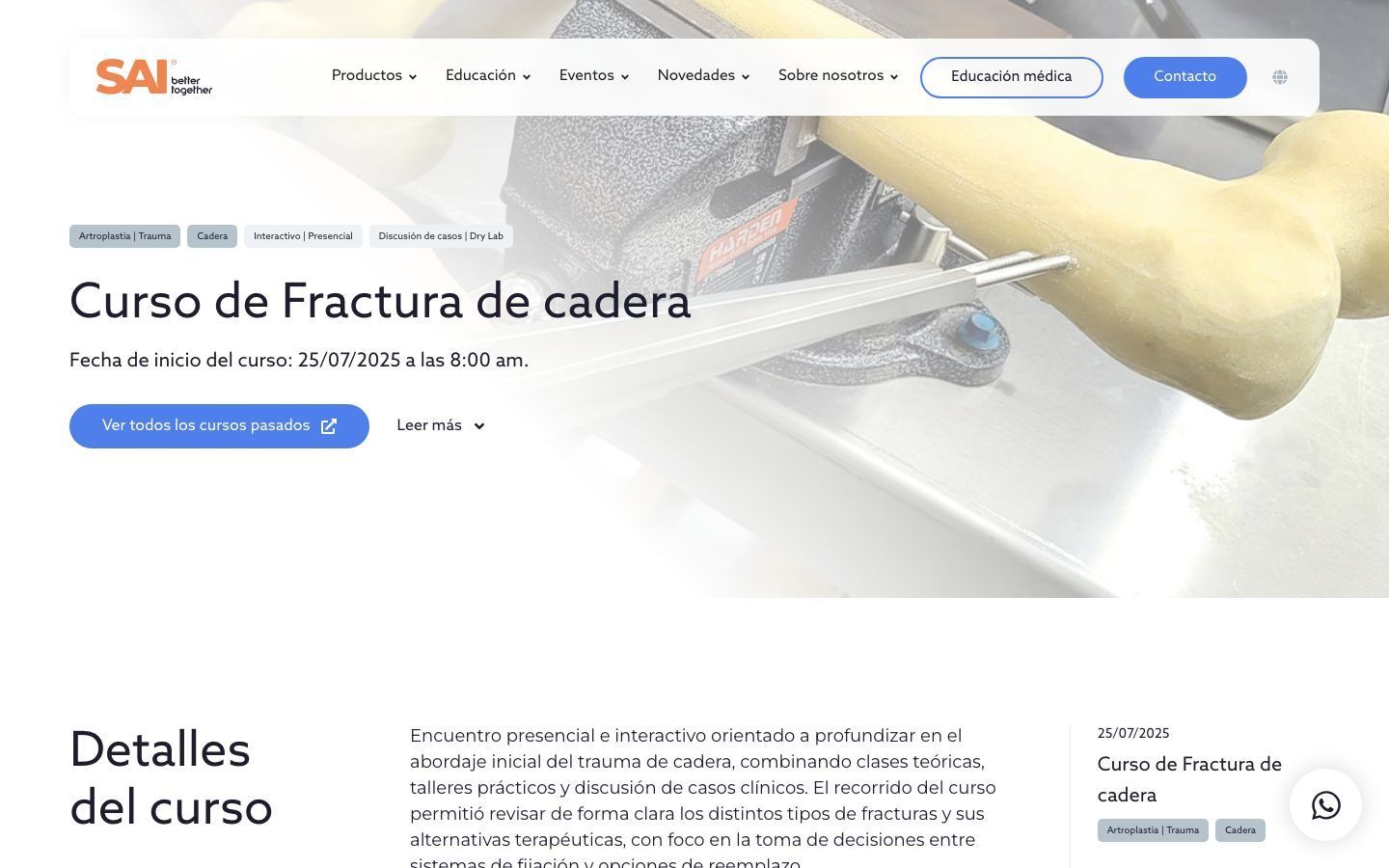
A cadaver lab leaves behind a program, techniques, faculty, and questions. If the website only has room for the event announcement, all of that stays in a shared folder.

Using AI to produce medical content without expanding claims
An AI tool writes fast and fills in what's missing with whatever sounds likely. In medical device content, that filler is a claim nobody approved. How the draft is built and where medical validation comes in.

What a surgeon searches for on Google before they know the manufacturer
Searches that don't include the company's name bring few clicks and a huge share of the exposure on Google. They include a product, a code, a procedure, or a document.

The surgical technique video that got twenty times more views than the sales video
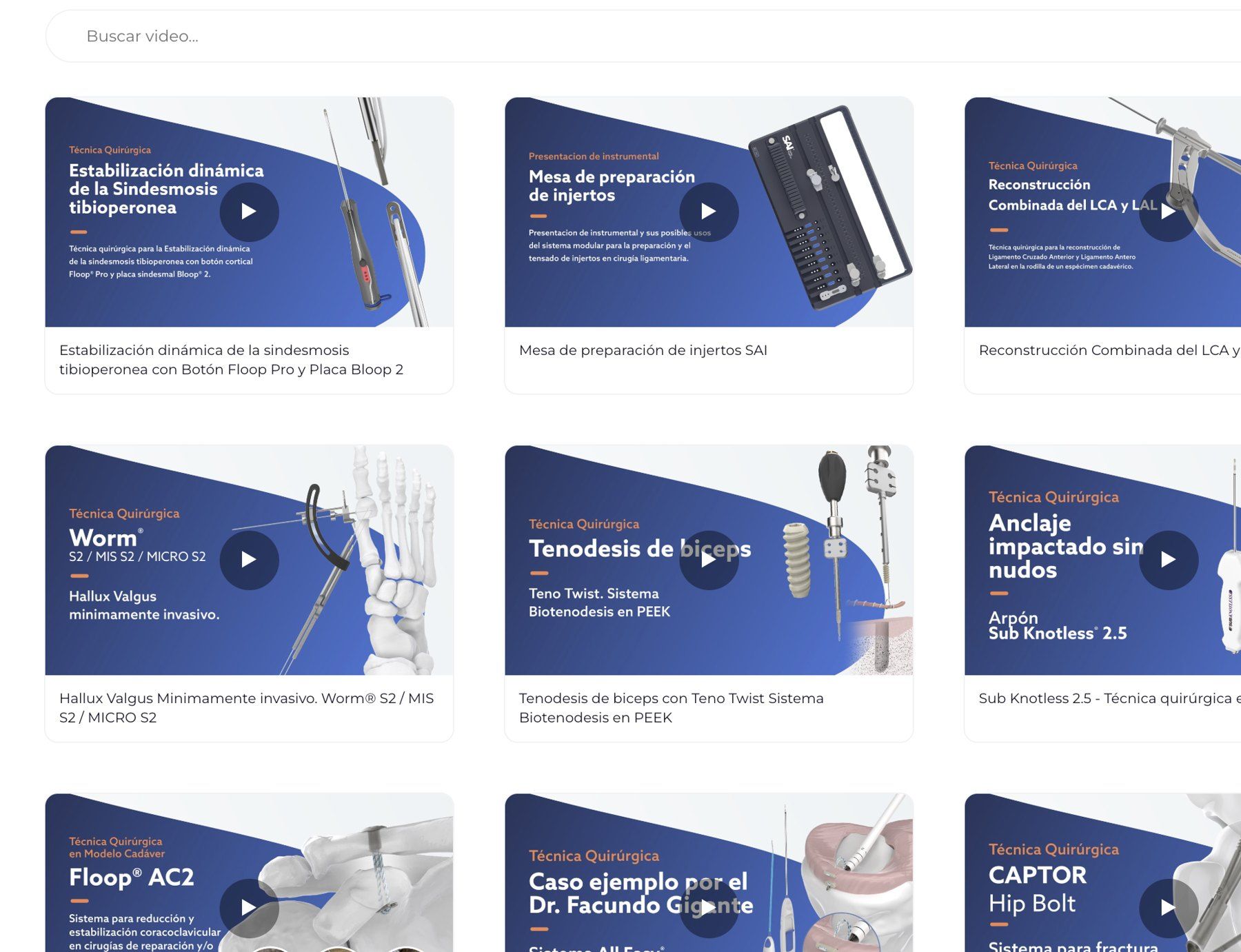
On an orthopedic manufacturer's channel, a surgical technique video got twenty times more views than a promotional video. What a surgeon looks for in a video, and where that video should live on the website.

Publishing a product that isn't registered in the country yet
A device can be approved in one country and pending in another, or not yet registered anywhere. What gets published in each case is decided by the company's regulatory team. What can be prepared in advance is the structure for showing each situation without one country's status carrying over to the others.

A newsletter for surgeons is segmented by specialty, not by job title
In a medical device company's contact list, “surgeon” isn't enough as a segment: a spine specialist and a hand specialist expect different emails. What information is needed for each contact, and how to build audience segments from a small list.