Site and architecture
We review navigation, page types, and paths to see whether the structure supports the company as it is today or an earlier version of it.
Creativity · Strategy · Development · Impact
We review a company's digital presence to understand what's working, where friction appears, and what to address first. We look at the site, catalog, content, searches, documentation, and operations as parts of the same system.
The audit ends with concrete priorities rather than an endless list of observations competing with one another.
Before changing the site, it's worth knowing what it's saying today.
The review combines strategic analysis, content, structure, and technical behavior. Depth varies from site to site, but the same judgment applies: every finding needs context and a clear consequence.
We review navigation, page types, and paths to see whether the structure supports the company as it is today or an earlier version of it.
We look at how products, codes, and documents are found, and what information lives only in PDFs.
We spot duplicate pages, outdated materials, and gaps that affect the experience today.
We review which pages get traffic and which searches reach the site to find opportunities the menu doesn't show.
We talk with the people who update the site to see where uploading, replacing, or publishing creates friction.
Each finding is ranked as blocking, important, worthwhile, or for later, to decide what comes first.
How it works
We gather the site, documentation, available metrics, content structure, and the materials that are part of day-to-day operations.
We also record what has changed in the company since that structure was last designed.
We test the site the way an outsider would: from Google, from the site search, from the catalog, from a document, or from a specific inquiry.
We do the review without relying on an admin session, because the site can behave differently for public visitors.
Each problem is documented with evidence and linked to a possible decision.
It isn't enough to say a page “should improve.” It has to show what happens, who it affects, and what kind of intervention could fix it.
We rank the findings by impact, dependency, and effort.
That map can later become a redesign, SEO, content, or performance project, or a combination of several disciplines.
Work · SAI
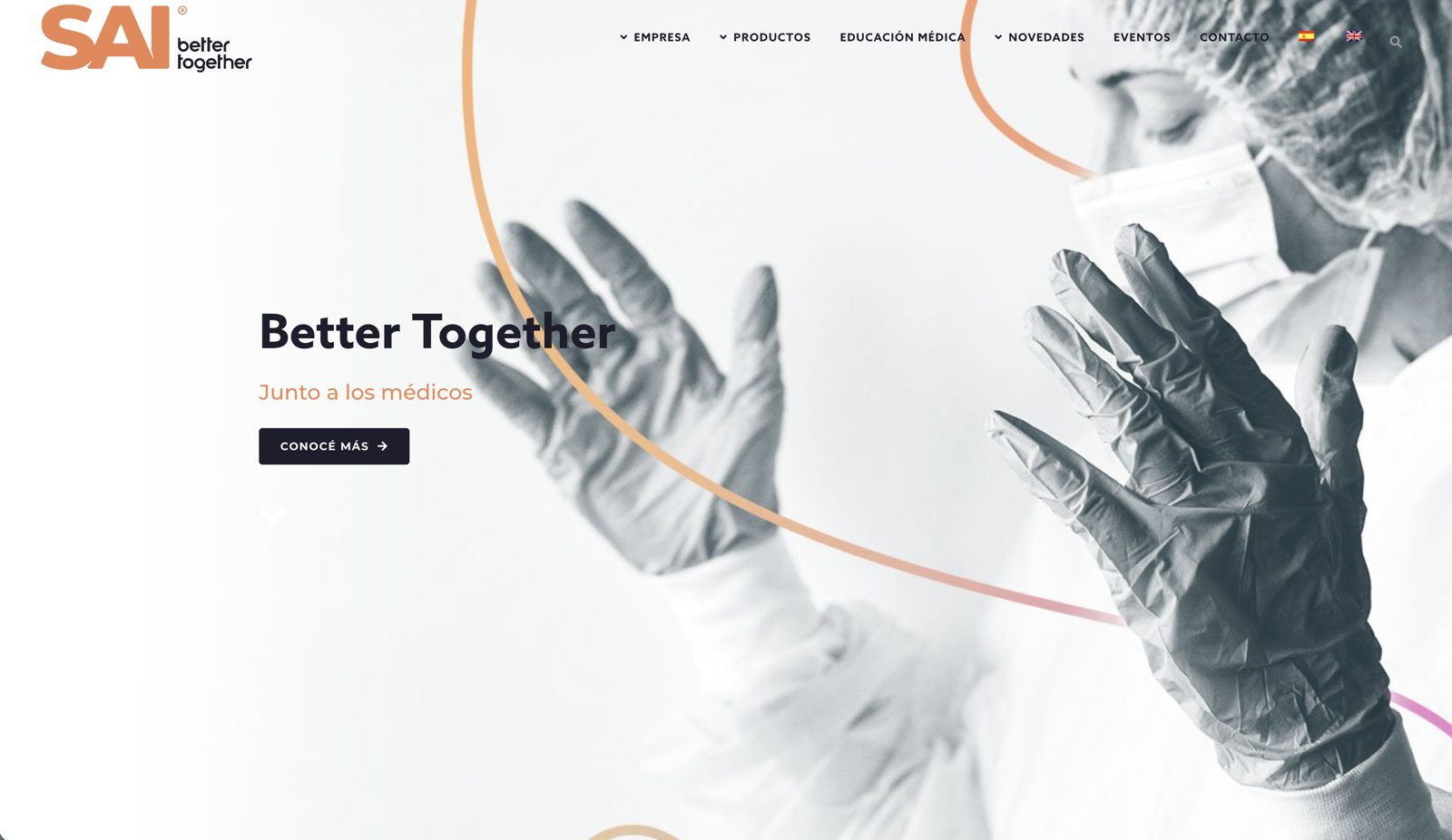
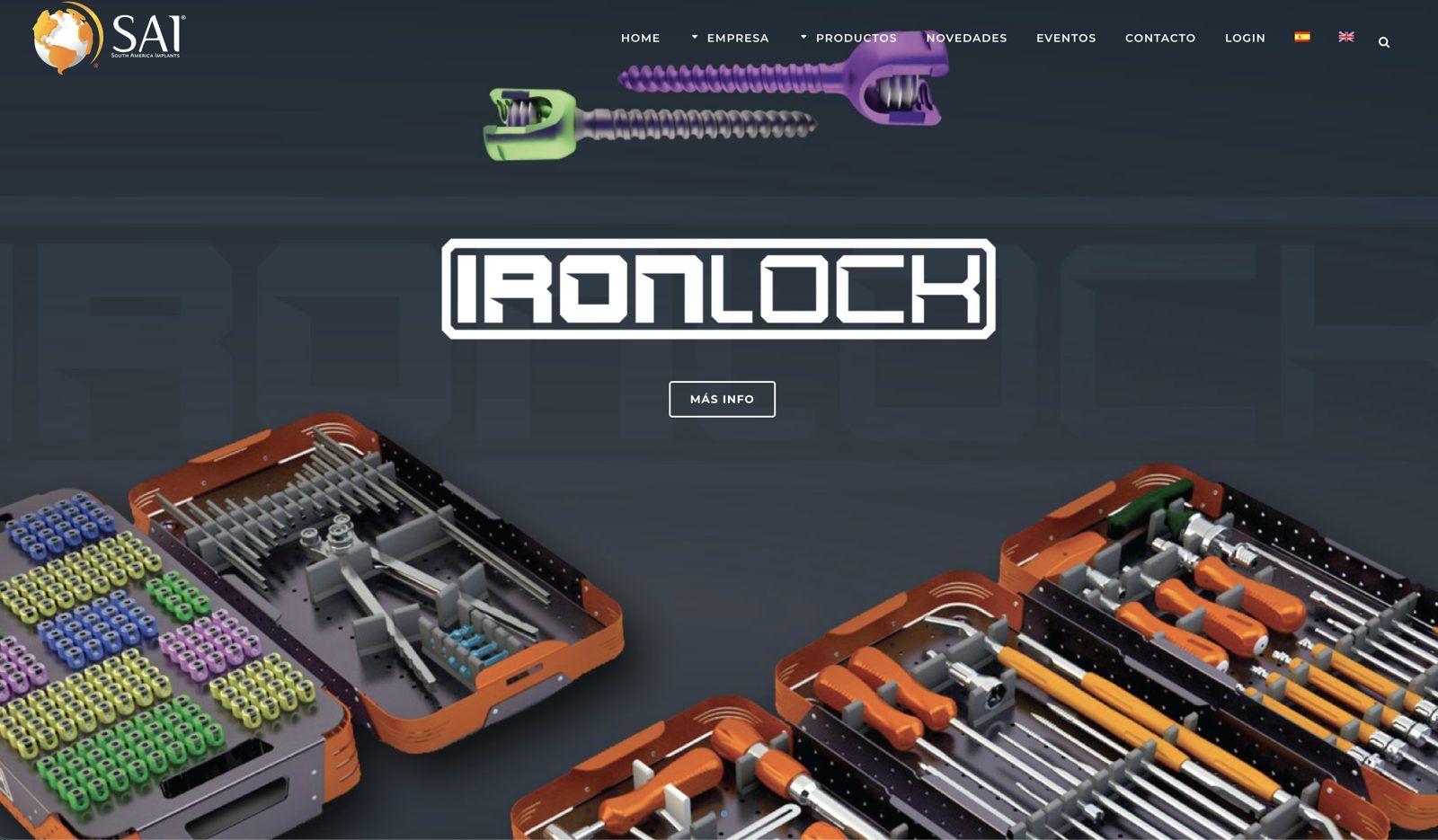
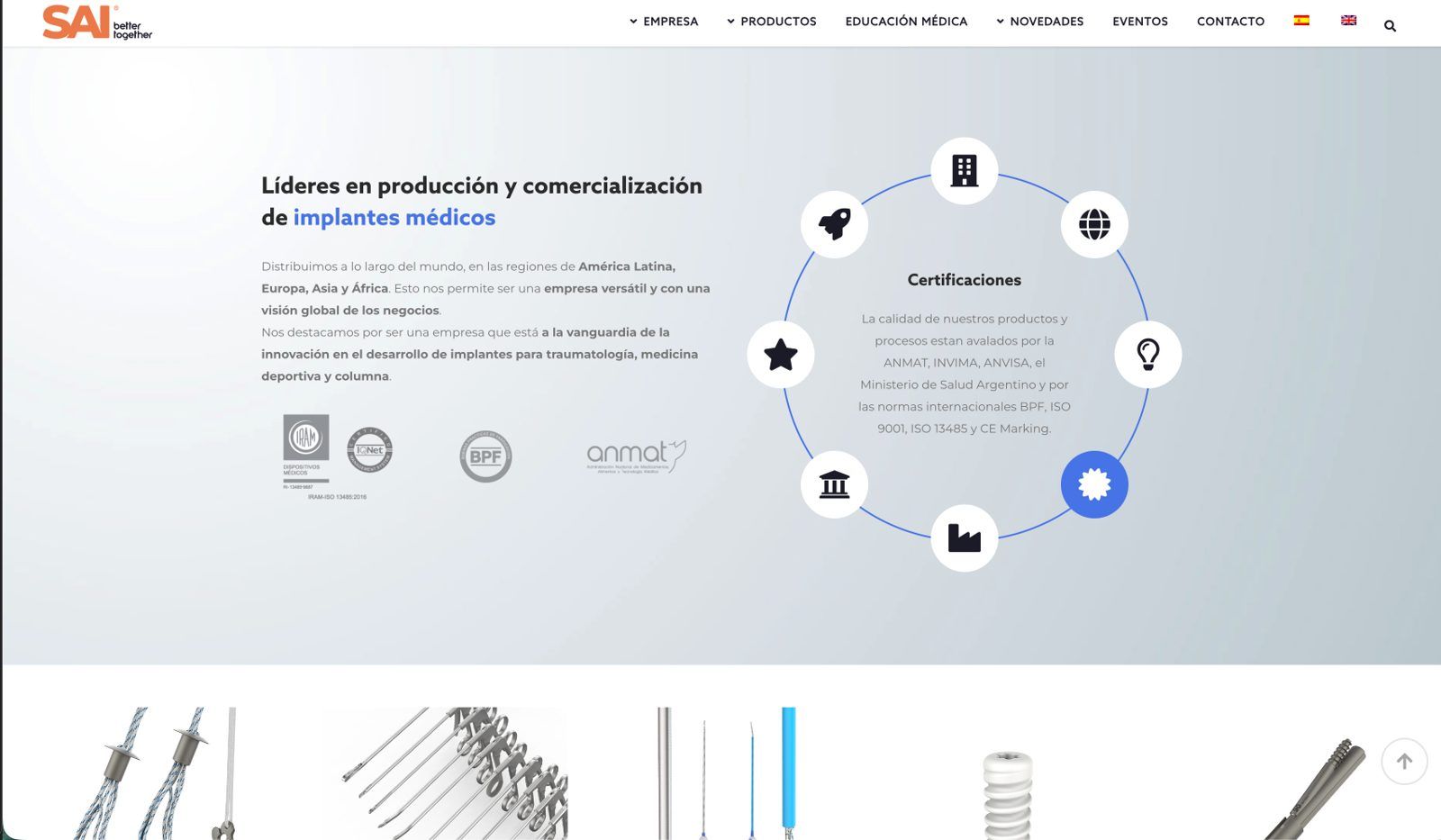
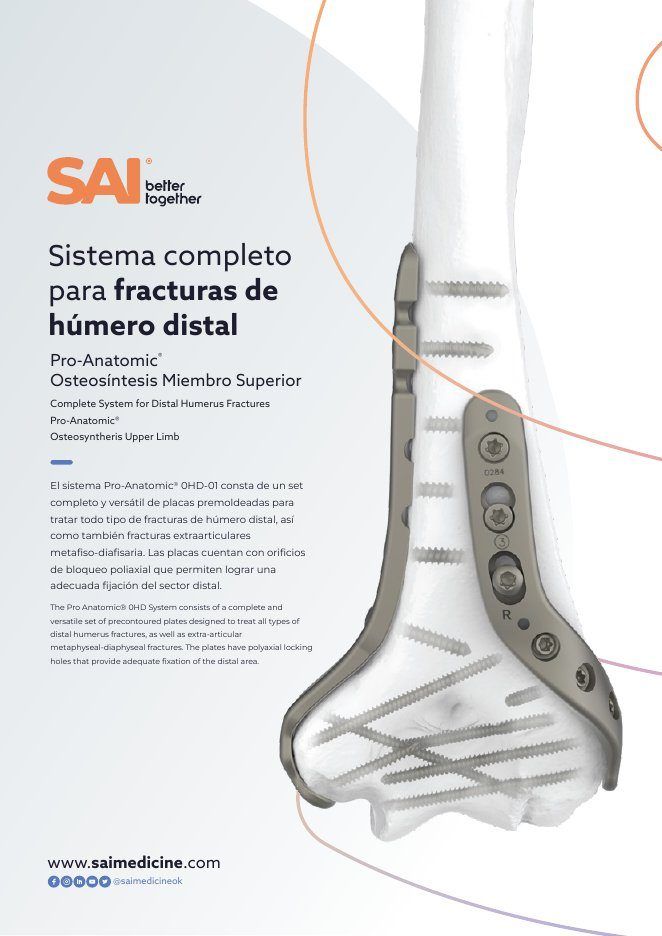
SAI's previous website worked as a corporate presence, a catalog, and a PDF repository. The review showed that products, documentation, education, and content needed a different structure before moving on to design.
We review the website, product information and its documentation, content, owned channels, and measurement with each team.
Because a project's first decision is the hardest one to correct, and the audit puts in writing what depends on internal decisions.
Sometimes that's possible, and we say so. If what's failing is how the information is structured, a redesign changes the surface and leaves everything else the same.
By finding out what's there. The audit gives them a map and an order of priorities for their first decisions.
It reviews how information is shown, found, and maintained. What is mandatory is defined by the company's regulatory team.