The product manager at an orthopedic distributor asks ChatGPT what options are available in Colombia for ankle fracture fixation. The answer names two international brands, a hospital guideline, and a distributor that stopped carrying that line three years ago. The company that imports and sells it today doesn't appear. The same question in Gemini brings up a different list.
Most likely, both answers came from pages that exist. The mention of the distributor that no longer sells the line came from an old listing nobody updated.
What it shares with SEO, and what changes
A search engine returns a list of pages, and the person chooses which one to open. An assistant reads several pages and writes an answer, which may or may not name the source. Both rely on the same foundation: a page the crawler can read, with a stable URL and the information written as text. A well-built product page works for Google, for its AI Overviews, and for an assistant at the same time, and getting started doesn't require rewriting the whole site.
Two things change. First, the assistant extracts sentences: it needs to find, in a single sentence, what the product is, what sizes or materials it comes in, who manufactures it, and who distributes it in each country. Second, it cross-checks sources. If the manufacturer calls the system one thing, the distributor another, and a congress program a third, the assistant may treat them as three different products, or settle on the name repeated most often on other sites.
What depends on the company's content
In this industry, many queries are about availability: who carries a given system in a given country, who represents a given brand. A page for each brand or line that states which countries it's sold in and through whom gives the assistant information it can't find with the same authority anywhere else.
The product name needs to be the same on the product page, in the downloadable catalog, on the distributor's page, and in the company's profile in industry directories. The same goes for the company name, especially when the legal name, the brand name, and the name of the local subsidiary are different. Checking that consistency outside the site is also part of the work: an outdated answer often comes from a third-party page.
The questions the Sales team answers every week can get a complete answer on the product page or on a procedure page, without needing a blog. The clinical evidence the company publishes, linked from the product page, shows the assistant which study belongs to which product. What gets published is defined by the regulatory team: anything written for an assistant to cite says the same thing as the approved documentation.
Product and organization structured data help a system read those relationships without guessing. Since 2023, FAQ structured data no longer earns a rich result on Google for most sites, but the written answer stays on the page.
Then there's access. If robots.txt or the hosting provider's firewall blocks AI assistants' crawlers, the site is left out of answers built from a live search, sometimes because of a default rule nobody chose. The company decides what stays open, knowing what each rule blocks.
How to tell whether the company shows up
There's no report that shows it. A list of twenty or thirty queries is put together, written the way an industry professional would ask them and grouped into three types: by product type without a brand (“distal radius locking plates”), by availability and country (“who distributes shoulder arthroscopy systems in Peru”), and by the company itself (“what does Company X manufacture”). The third group shows whether the assistant describes the company correctly, which isn't the same as naming it.
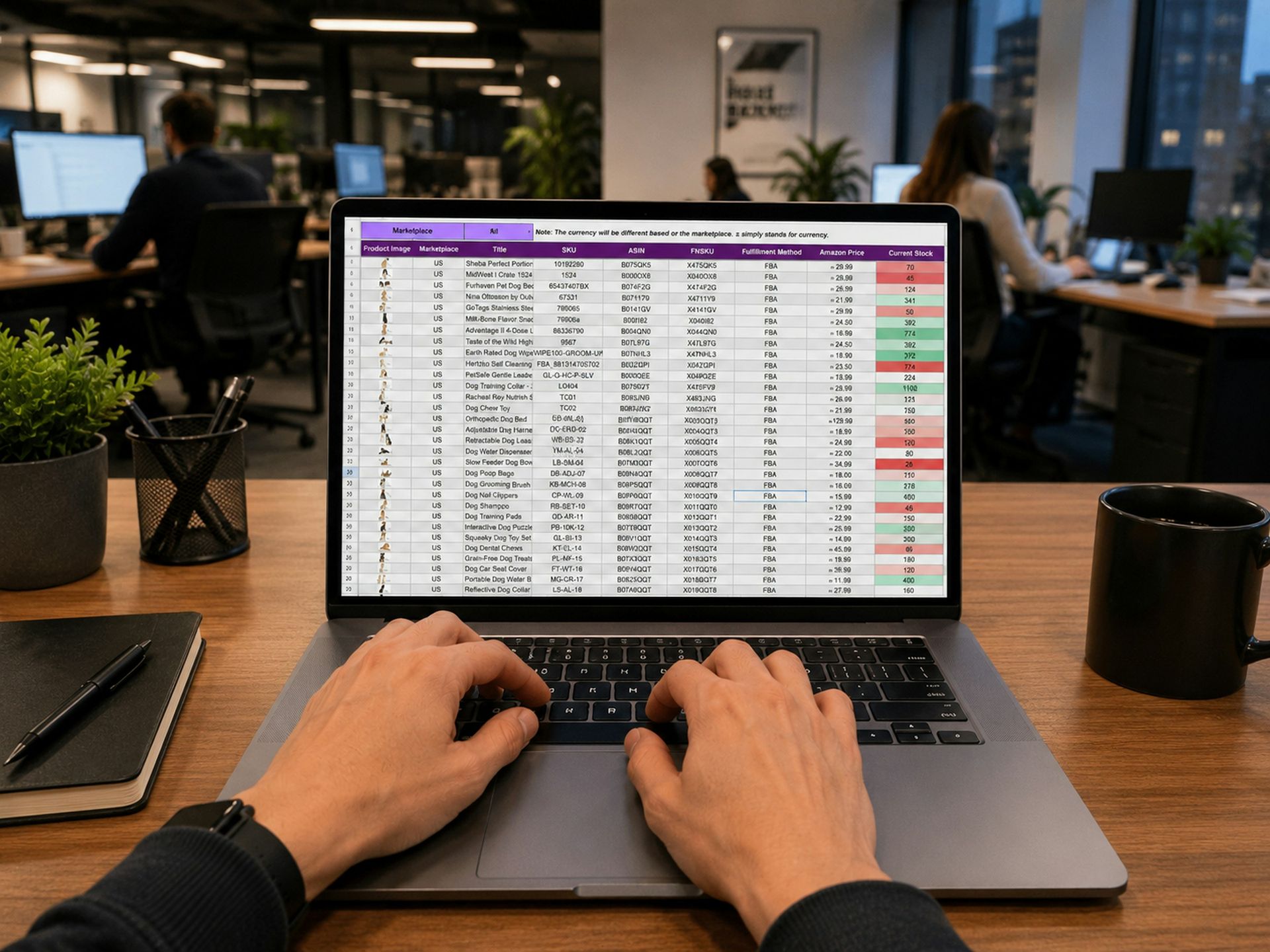
Each query is run in ChatGPT, in Gemini, and in Google, where an AI Overview may appear, always in a new chat, with memory off, and with the same wording. A spreadsheet records the date, the assistant, whether the company appears, how it's described, and which sources are cited, with their URLs. That last column shows whether the assistant relies on the company's own site, a distributor, or a page that's out of date.
Answers change from one day to the next and from one account to another, so a single answer says little. What gets analyzed is the series: the same list repeated every month, to see which queries start naming the company and with which source.
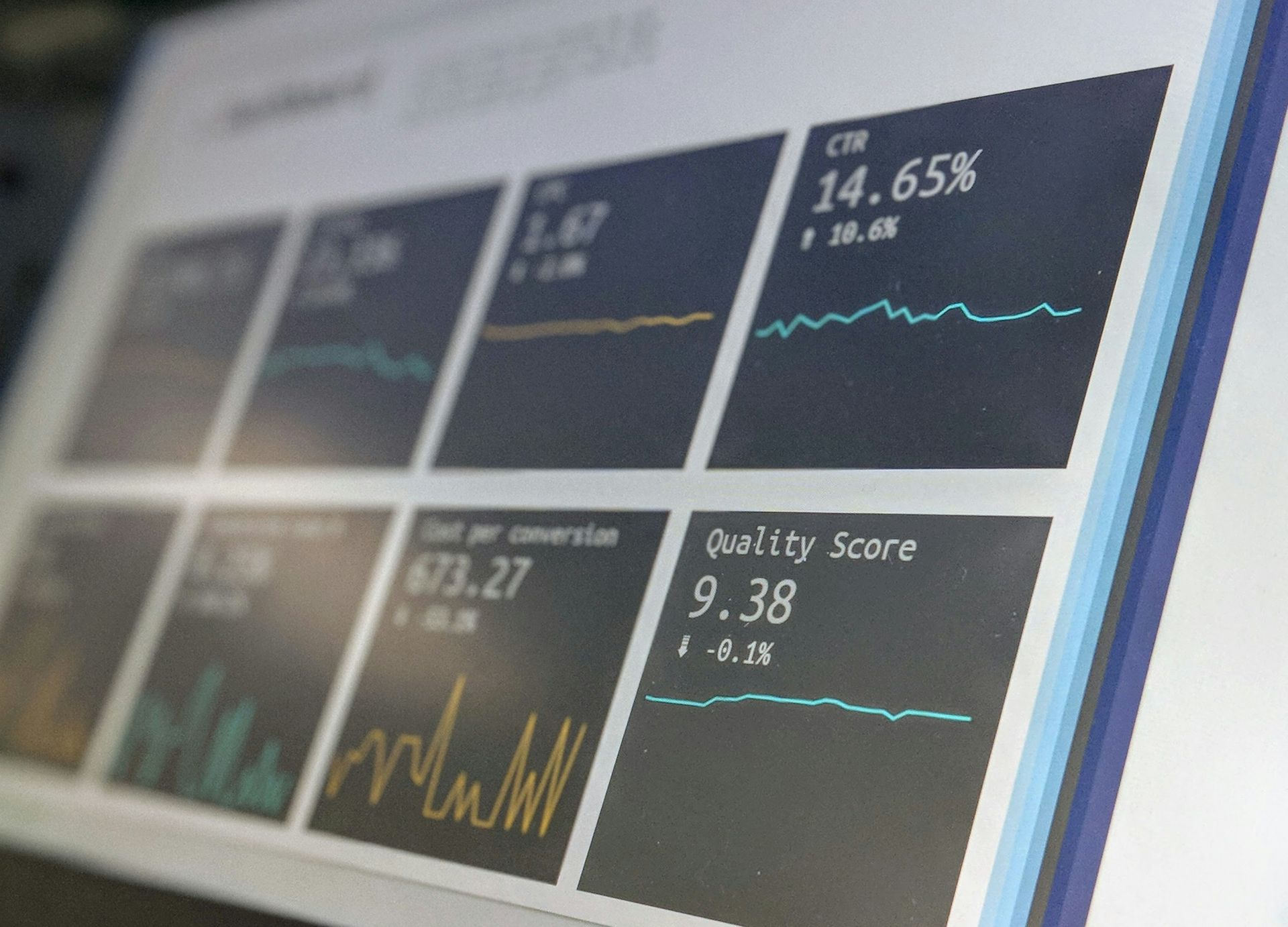
In Google Analytics, visits from chatgpt.com or gemini.google.com show up as referral traffic, along with their landing page. There aren't many, because most answers don't lead to a click, but they show which pages each assistant uses as a source.
When tracking turns up an answer with wrong information, the sources column shows where to correct it: on one of the company's own product pages, in a distributor's listing, or in an industry directory.
Services covered in this article