Content types
We define what needs to exist as its own entity because products, courses, and events have different data and life cycles.
Creativity · Strategy · Development · Impact
Services › Web design and development › Content architecture
We model products, documentation, courses, and other content before designing how they're displayed. We define what information exists, how it relates, and the different ways a person should reasonably be able to find it.
The structure is ready to take in new products, documents, languages, and content without having to decide all over again where each thing goes.
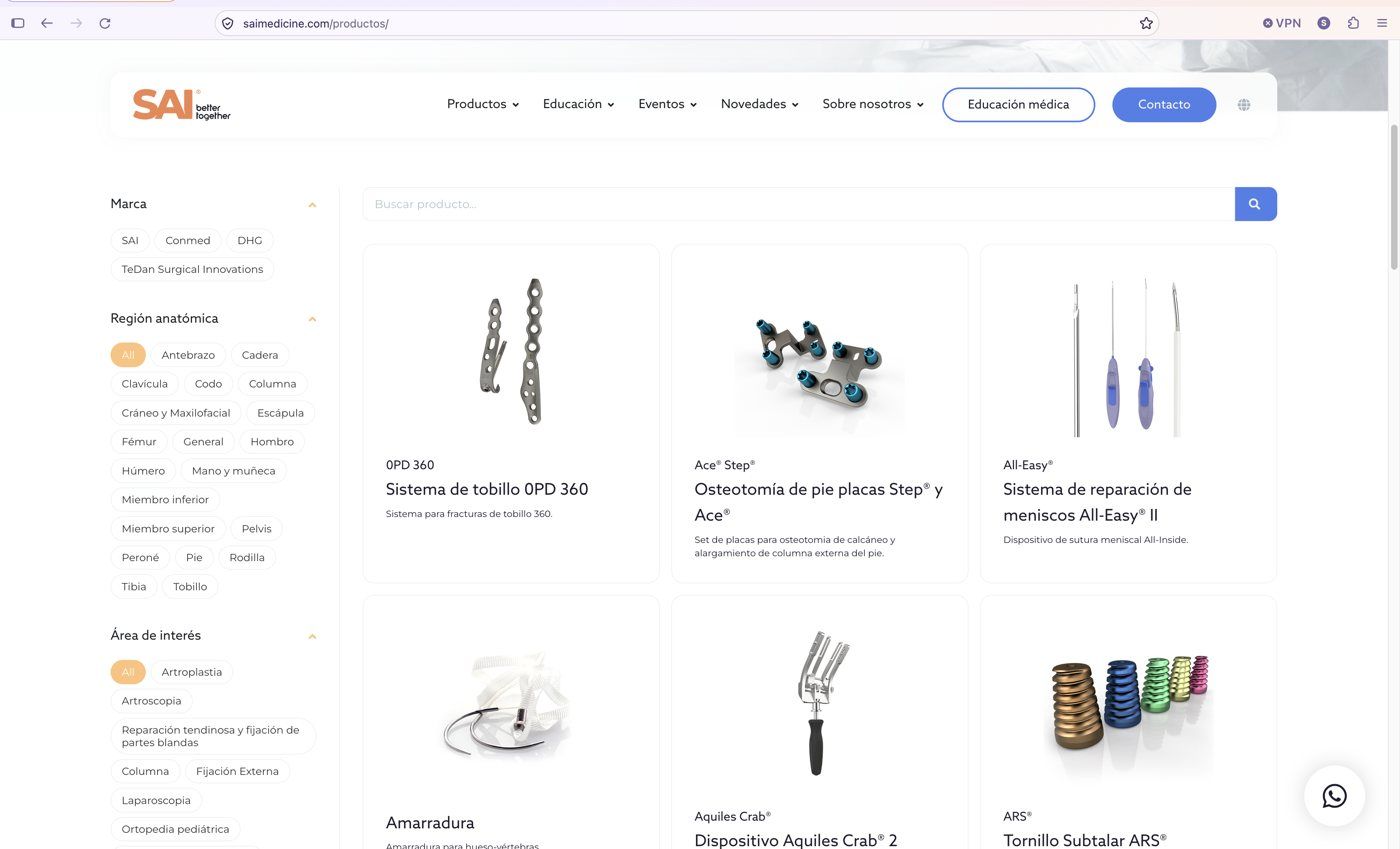
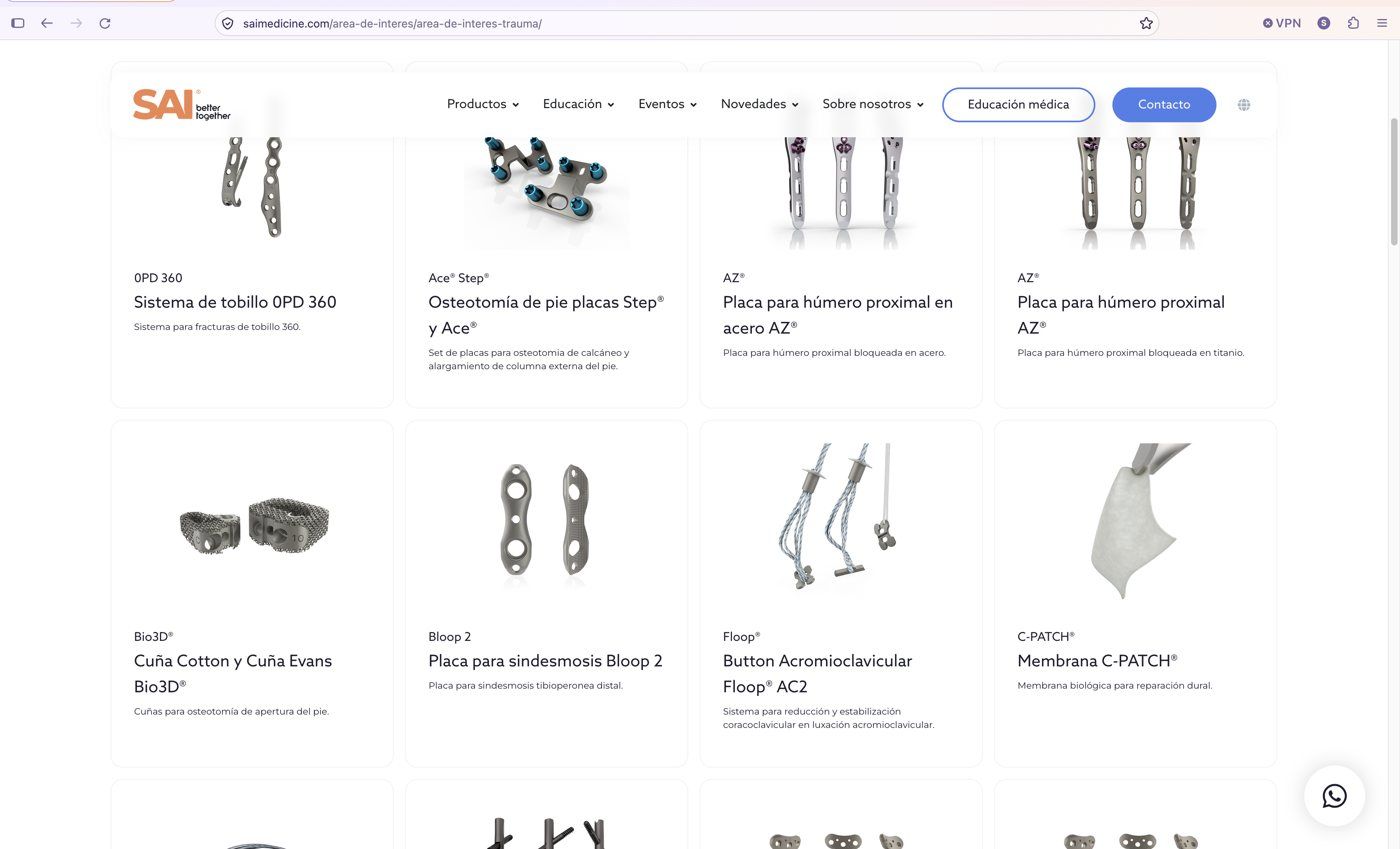
A product can have more than one way in.
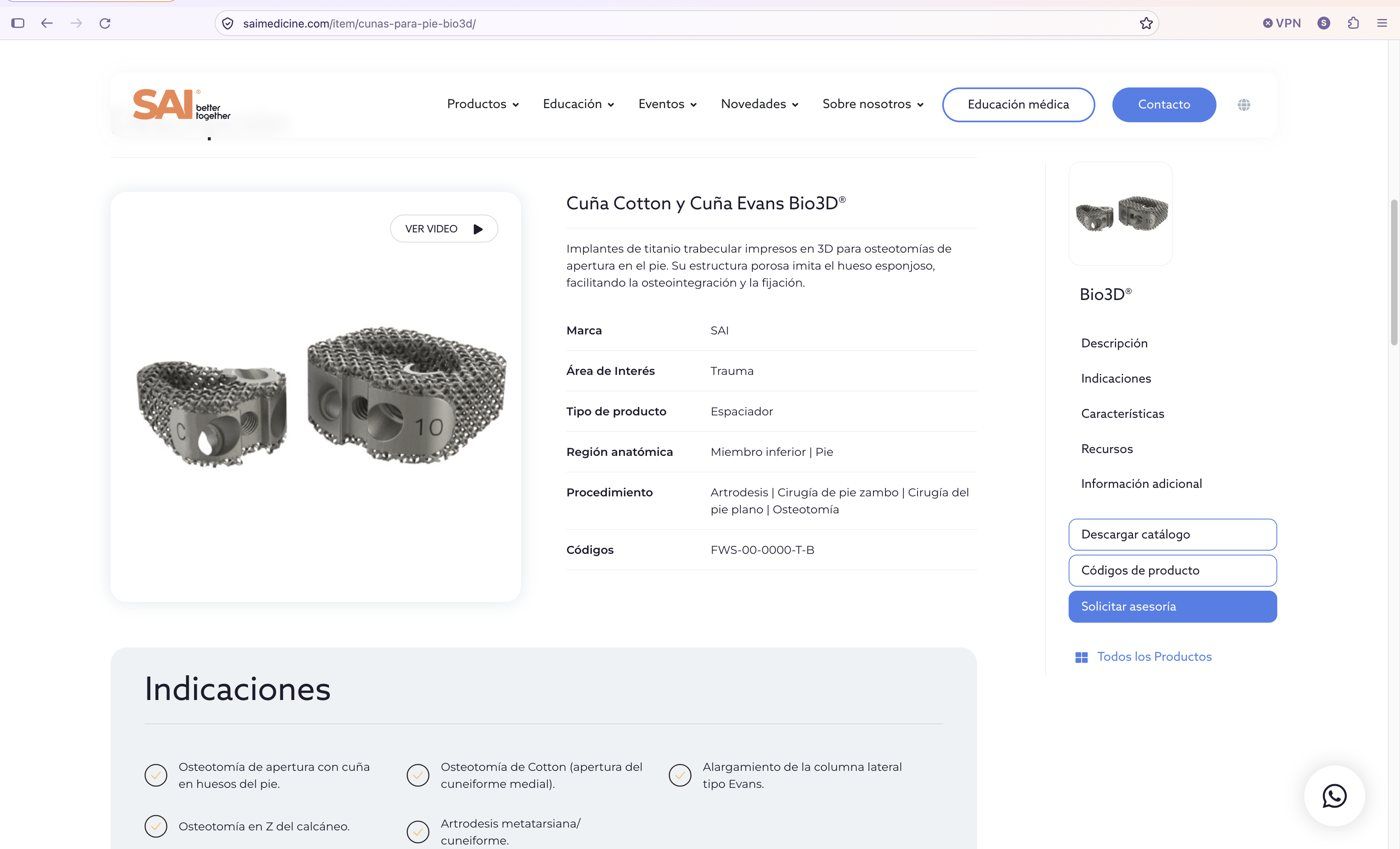
Anatomical region, Procedure, Product type, and Brand lead to the product; the product leads on to documentation, technique, and training.
The architecture defines the pieces of the system and the rules that connect them. Then navigation, search, filters, and product pages can be built on a shared logic.
We define what needs to exist as its own entity because products, courses, and events have different data and life cycles.
IFUs, surgical technique guides, and product pages stay linked to what they describe, with a stable place even if the navigation changes.
Families, procedures, anatomical regions, and brands connect content without duplicating it.
With the relationships clear, we decide what becomes a filter, what goes into navigation, and what is handled through free-text search.
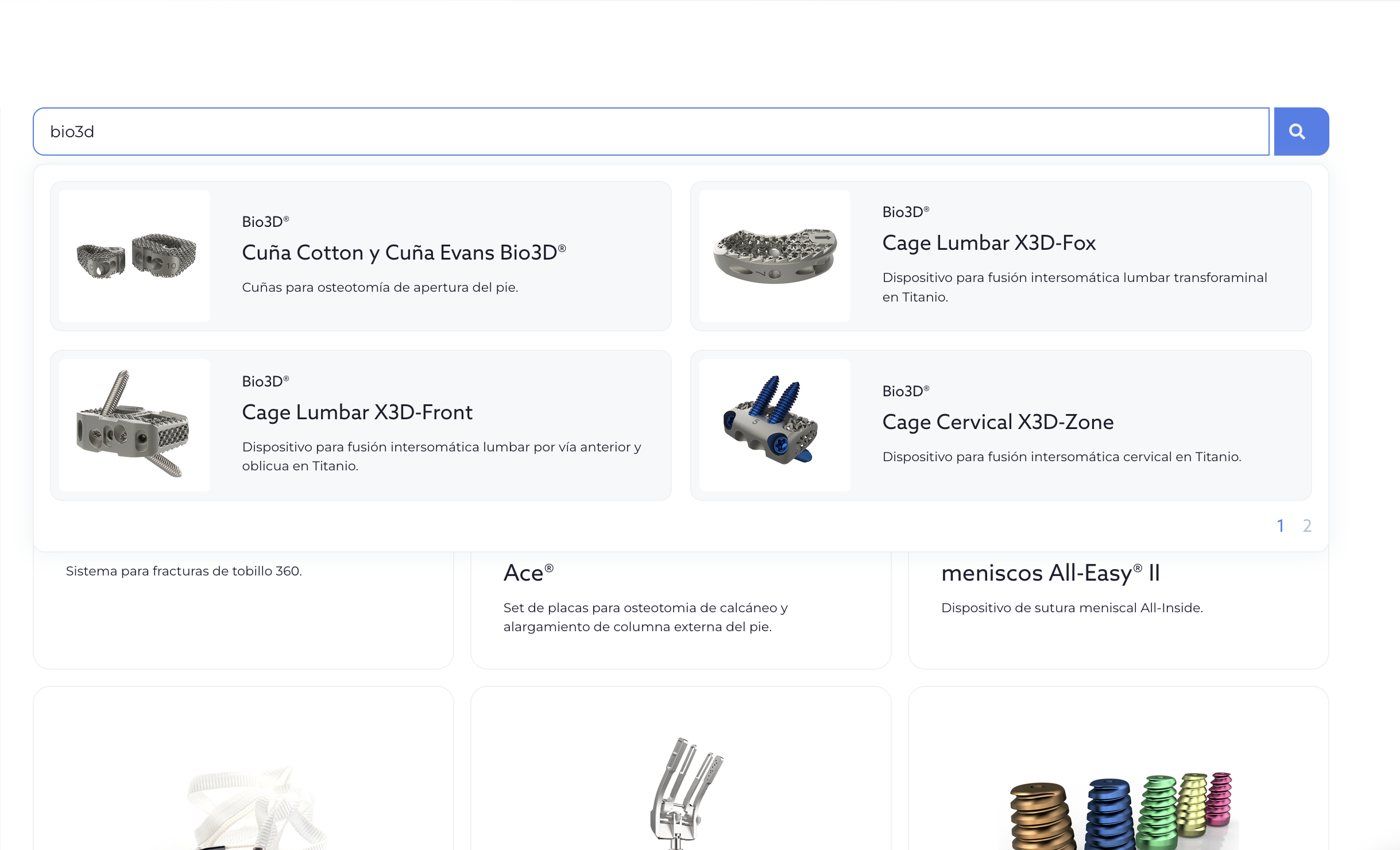
Site search reflects the ways people actually look things up: trade name, code, brand, or registration number.
We define the fields for each content type, and every field has to justify the work required to maintain it.
How it's defined
We gather products, documents, categories, current content, and the ways each team organizes them.
We also uncover synonyms, exceptions, and relationships that are currently known only by people who work with the portfolio every day.
We define which content types exist, what information belongs to each one, and how they link.
We work with real examples, including difficult cases: products that belong to more than one family, documents with several versions, or content that spans different specialties.
We test the structure using the different ways people search.
What happens if someone knows the procedure but not the product name. If they arrive from Google. If they have a code. If they need a specific document.
The teams that know each part review the model before it moves into interface design and development.
The architecture is documented so later decisions don't depend on remembering why something was organized a certain way.
Work · SAI
SAI's new platform needed to organize a broad portfolio along with documentation, medical education, and other related content.
The CMS stores whatever gets entered into it. Without a content model decided beforehand, it reproduces the mess with better typography.
Because many healthcare professionals know the procedure and anatomical region before they know the trade name. That creates another path to the same product page.
Yes, if they're entered as fields on the product page. Whether the registration is shown is defined by the company's regulatory team.
Both. We propose the model and the fields; Product, Quality, and Medical Affairs validate what goes in. The decision is put in writing.
With the brand as one more dimension: people get there by procedure or by region, and the product page says which brand it belongs to.