Inventory
We bring pages, documents, presentations, and other materials into a single view of what's currently spread across teams.
Creativity · Strategy · Development · Impact
We gather and review what the company has already produced to understand what's still current, what's duplicated, what's missing, and what the right source is for each topic.
The audit turns PDFs, pages, presentations, articles, training materials, and internal knowledge into a map for deciding what to keep, update, merge, or leave out.
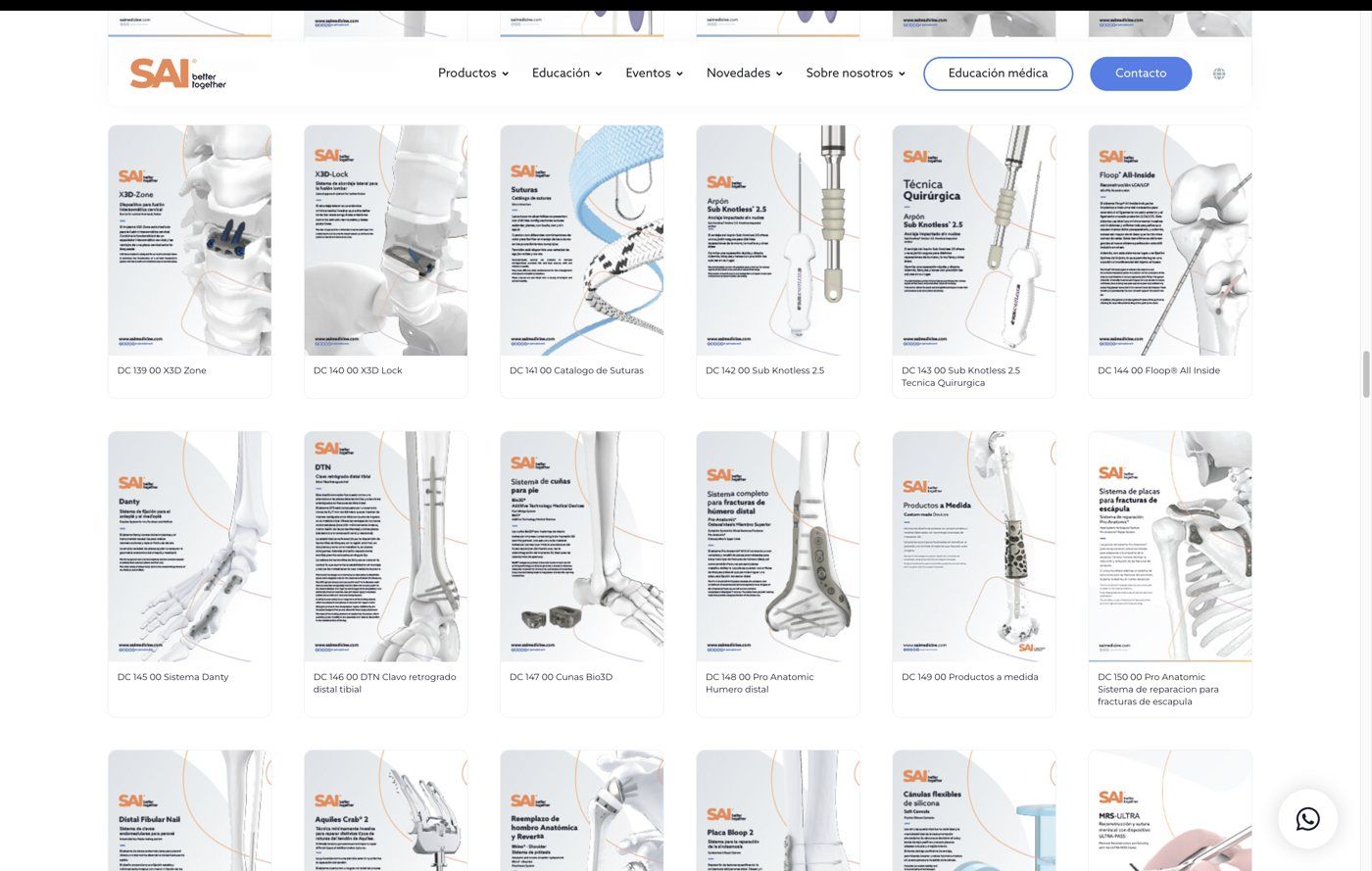
There are several versions of the same brochure, and none of them has a date.
We bring pages, documents, presentations, and other materials into a single view of what's currently spread across teams.
We flag what's still current, what needs review, and what should no longer circulate, with its date and its owner.
We identify pieces that repeat the same information with differences, and flag each contradiction for the right person to resolve.
We link each topic to its main source in the company, so later work is traceable.
We spot questions the current material doesn't answer: some call for writing, others for new information from a team.
We flag which material can feed a page, a product page, an article, a newsletter, or a knowledge base without starting over from scratch.
How it works
We ask for the existing materials and define a scope specific enough to review them in depth.
Each piece gets a type, topic, date, audience, status, and source when that information is available.
Duplicates and contradictions are also recorded.
Items that need technical, medical, or regulatory judgment go back to the corresponding team.
Audacher organizes and writes; it doesn't replace those validations.
The map ends with decisions: what's useful today, what needs work, what's worth migrating, and what can wait.
That result feeds the content strategy or the next round of production.
Work · SAI
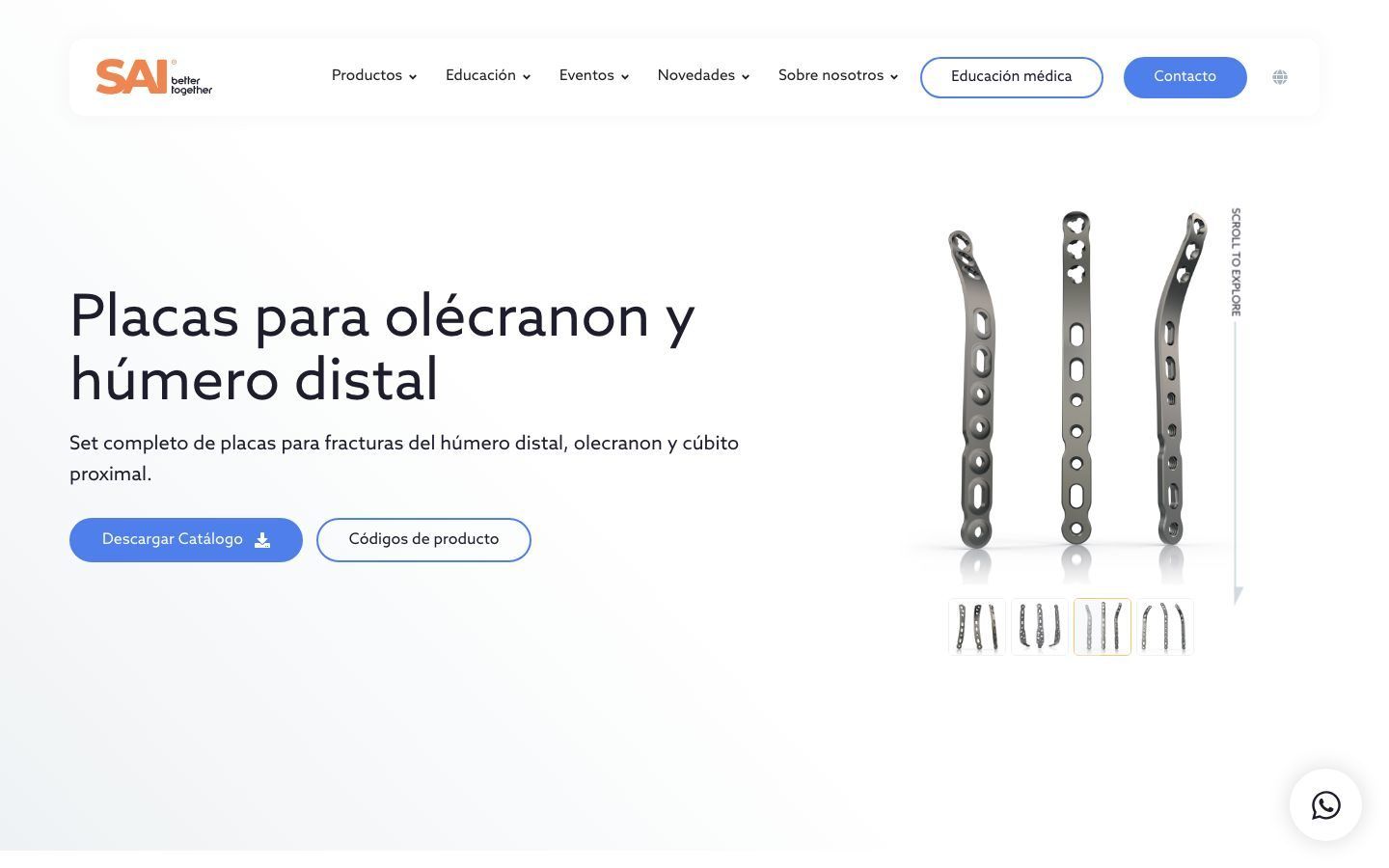
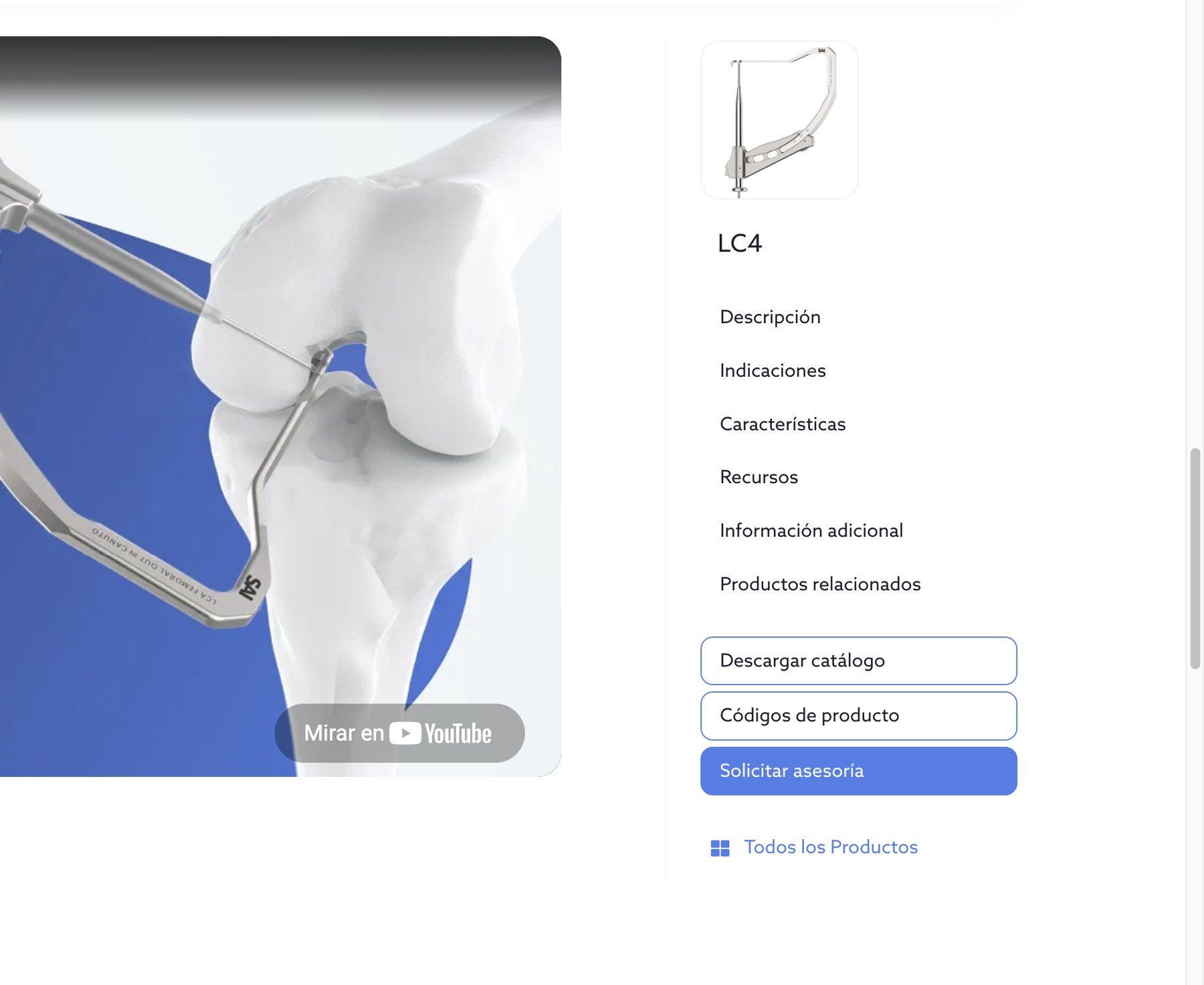
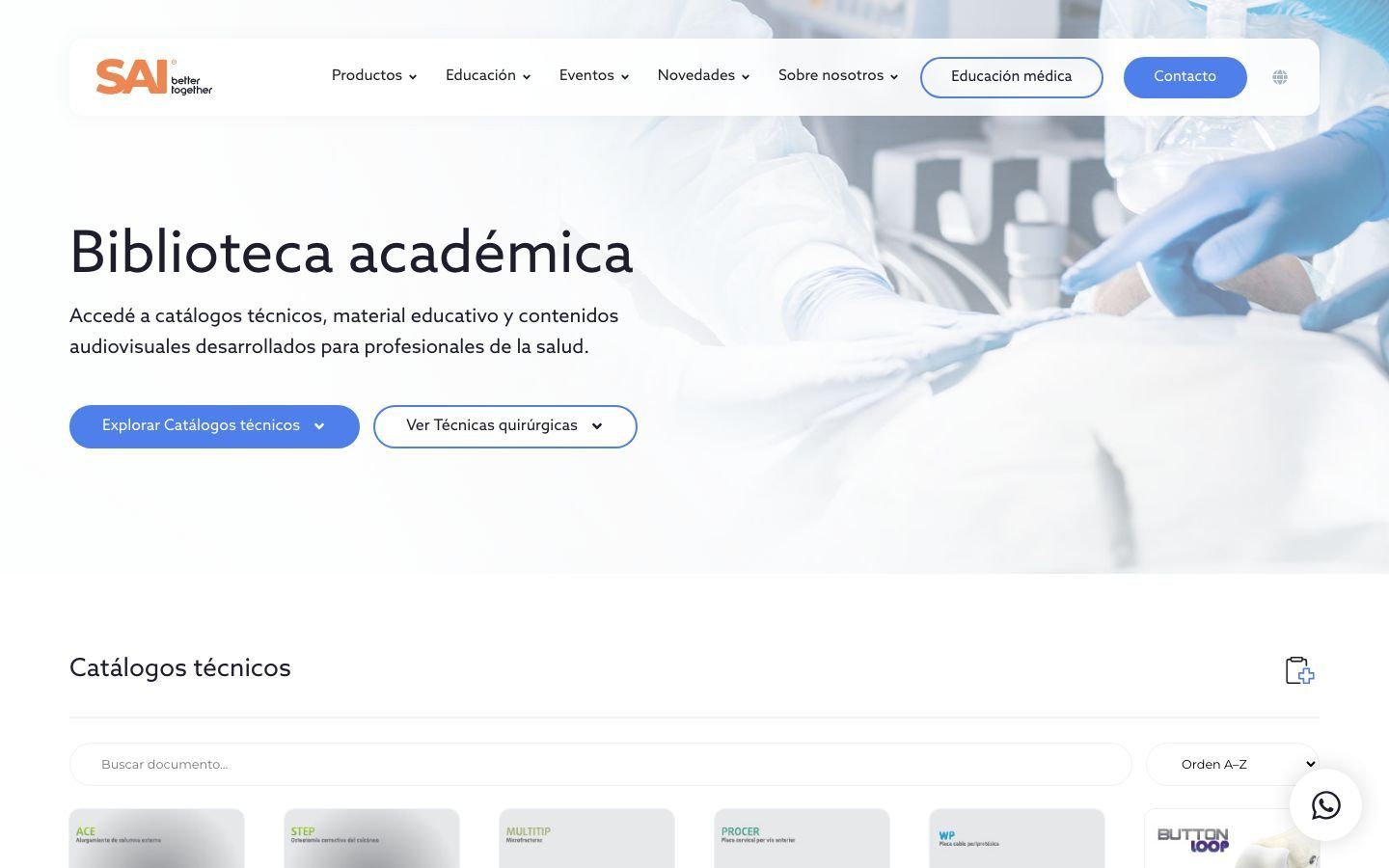
When the work with SAI began, much of the knowledge needed to build the new platform didn't yet exist as web content.
The digital audit looks at the whole: site, catalog, channels, and measurement. The content audit goes piece by piece.
No. Finding the scattered material is part of the result.
It identifies what is being claimed and which source backs it, and flags anything without a source or that contradicts itself so the responsible team can resolve it. Whether a claim is substantiated is decided by the company's regulatory team, not by the audit.
A decision is made for each URL. A PDF that still gets visits isn't deleted without first deciding where it should lead.
Yes. If the base has errors or old versions, AI repeats them in every piece.