Strategy, content, and digital structure for presenting a new product line or device on a set date and leaving something in place that keeps working after the announcement.

The congress date is set. The product page isn't ready yet.
When does this solution make sense?
| When it makes sense | It's for | It's not for |
|---|---|---|
| A company presenting a product, a line, or a new generation of a system. | ||
| A company that needs healthcare professionals, distributors, and its own team to get the same information at the same time. | ||
| Advertising: we don't run paid campaigns for medical devices. | ||
| Deciding whether the product can be announced yet. The regulatory team defines that; we have everything ready for that day. |
How this solution comes together
Each team produces its own piece. Someone has to decide the order.






The same information for each audience, in its own format.
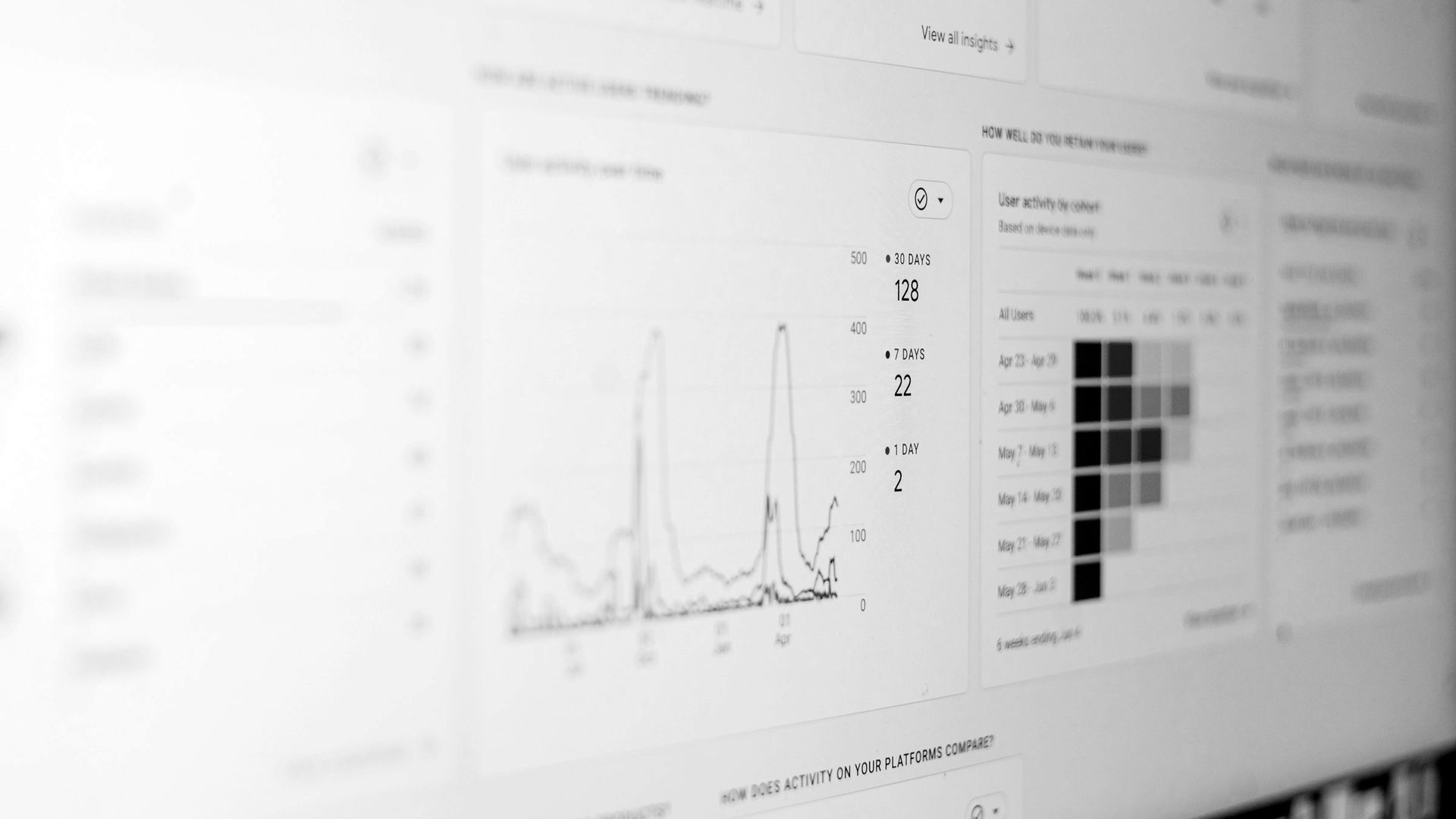
An ongoing communication plan, with measurement up and running.

Pre-launch, launch day, follow-up activities, and ongoing communication, with different materials for physicians, distributors, and the company's own team. Before launch, a three-level technical review: what blocks, what matters, and what can wait.
FAQ
What has to be ready on the website on launch day?
The complete product page, the documentation the company decides to publish, and the product's place in the catalog. The regulatory team defines what gets announced and when.
Is it worth starting before regulatory approval?
The structure and the copy can be prepared in advance. What gets published, and when, is decided by the company with its regulatory team.
What role does the website play in the launch?
It's where all the other materials point: the congress presentation, the email to the distributor, the QR code on printed material. Without a product page, each one has to point to a PDF.
How can the company tell whether the launch worked?
By looking at site data: product page visits, documentation downloads, and inquiries. Those data points help prioritize the next adjustments.