History and current assets
We review which parts of the brand already have recognition and value before changing anything.
Creativity · Strategy · Development · Impact
We work on existing brands that have grown, broadened their offering, or started competing in a different context, and need to review how they present themselves.
The goal is to find what's worth keeping, what deserves more prominence, and which position the company can back up with its own facts, products, and experience.
A brand can grow and still be recognizable.
We review which parts of the brand already have recognition and value before changing anything.
We look at how competitors and benchmarks present themselves to understand which positions are crowded, which are expected in the category, and where real differences show up.
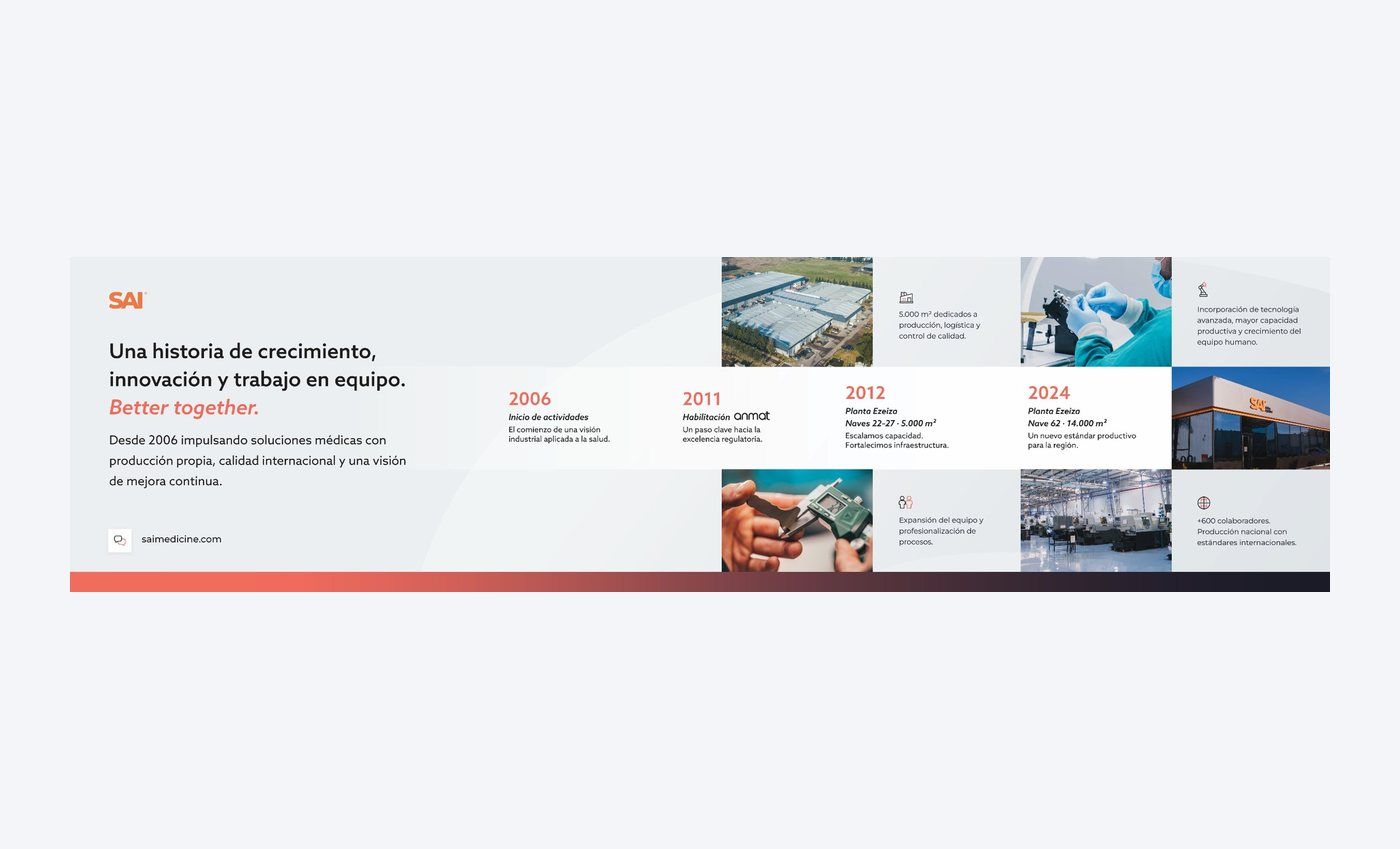
We look at what has changed in the company so the position represents the company as it is today and leaves room for what's next.
We define which attributes and capabilities deserve to be the main idea, without promising results the company doesn't control.
The position is put into words: a clear description, main messages, arguments, and criteria for applying them across channels.
We review what changes on the website, in content, in the corporate presentation, and in launches if that position becomes the shared framework.
How it's defined
We gather the company's history, recent changes, current materials, and the view different teams have of the company.
We compare that view with the market and with the perception created by the current assets.
Tensions surface: important things that aren't shown, and messages that still take up space even though they no longer reflect the focus.
We define the position and the arguments that support it.
We prioritize an idea broad enough to grow into, yet concrete enough to guide decisions.
We test the position in copy, architecture, content, and real-world communication situations.
If it only works as an introductory line, it still isn't enough.
Work · SAI
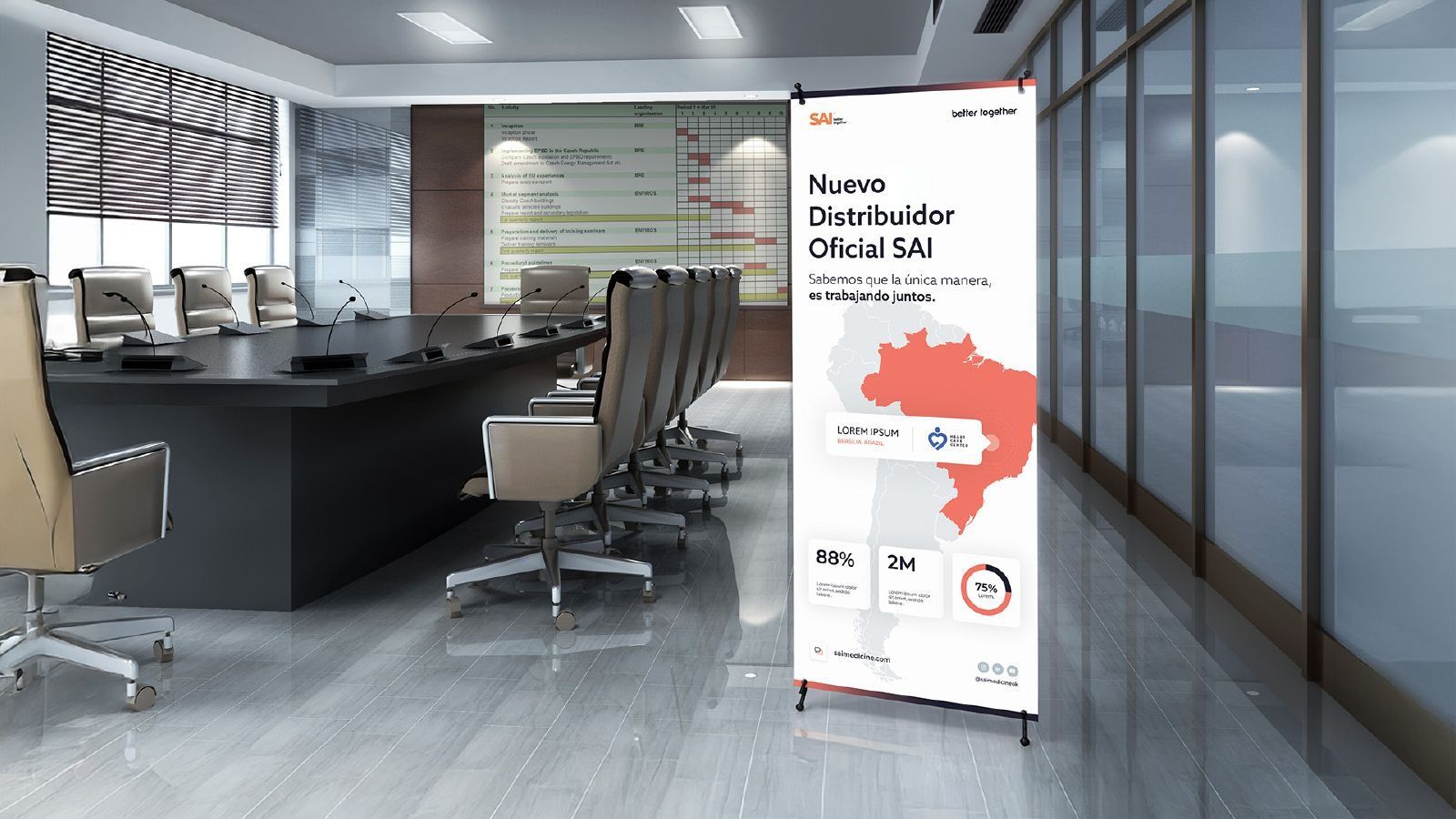
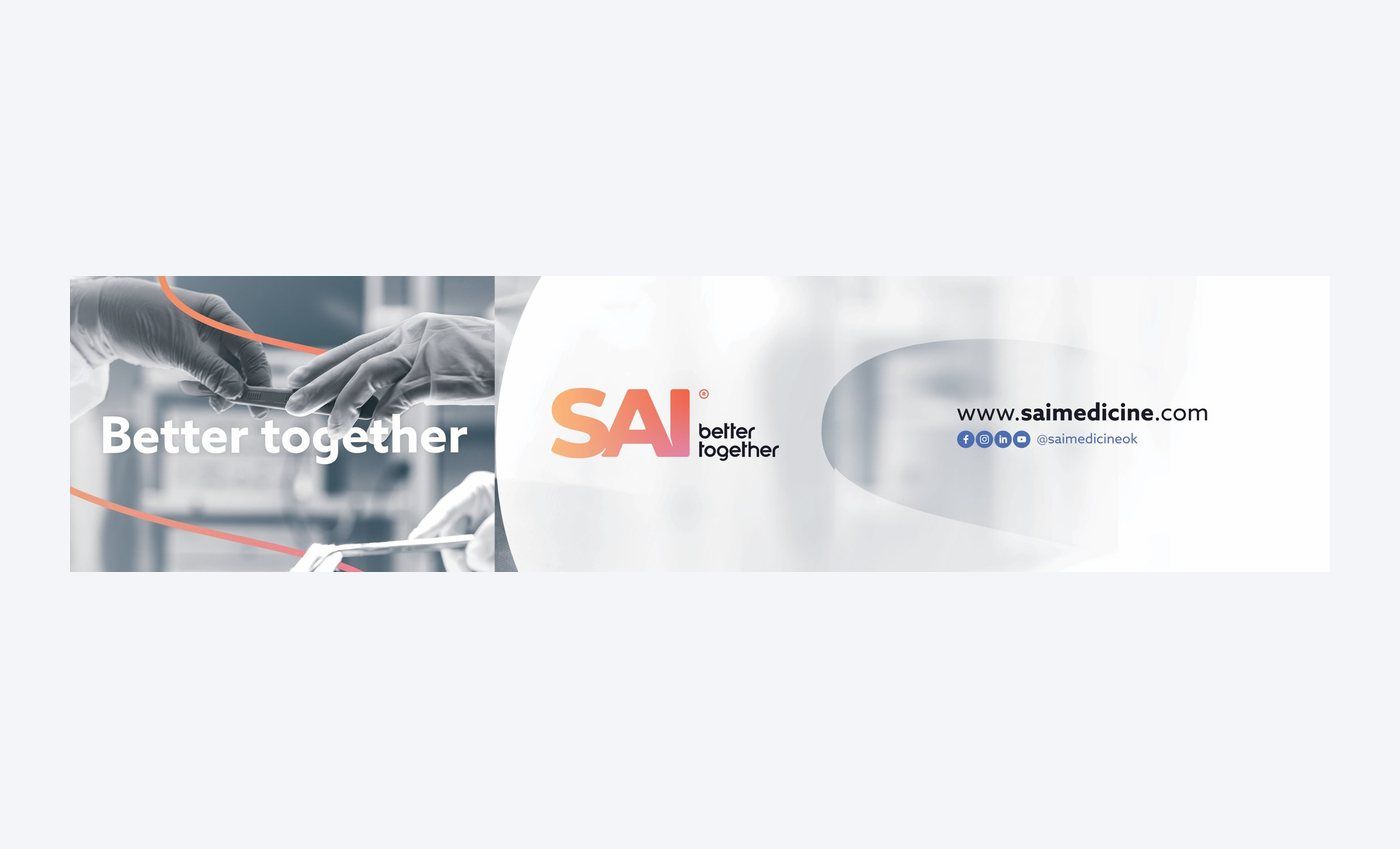
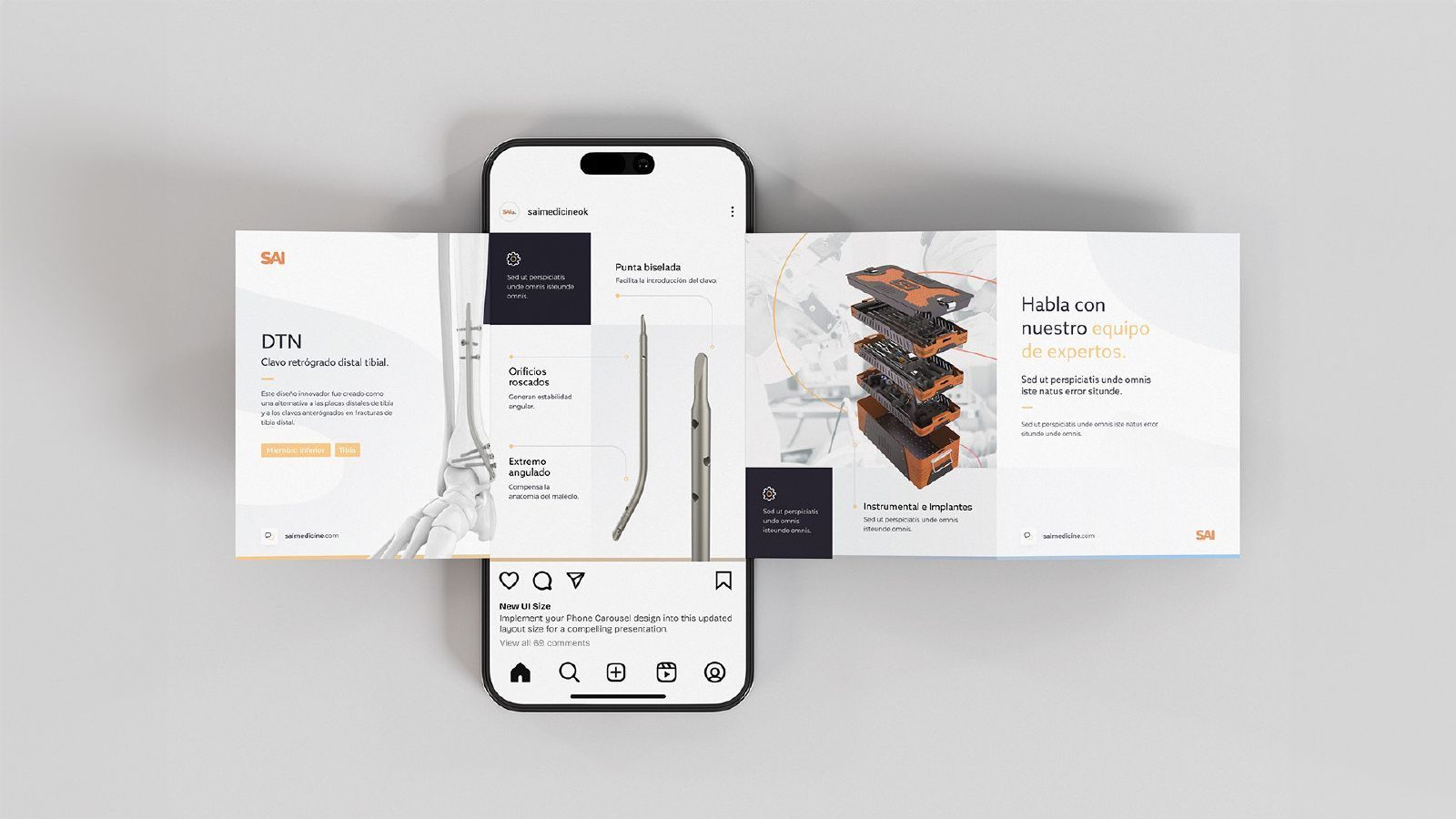
The work with SAI didn't start with a full rebrand. The Better Together idea was kept because it still had value for the company.
Positioning defines the place the company occupies; the logo is one way that position becomes visible. Sometimes working on positioning alone is enough.
Not necessarily. The brand needs to evolve when it describes a company that no longer exists.
With what the distributor contributes that the manufacturer doesn't: a catalog organized for its market, easy-to-find documentation, and training.
Through observable signals: whether the teams use the same messages, whether the website and the materials tell the same story, what people who reach the site are searching for.
It needs specific supporting documentation, and the regulatory team decides whether to use it.