Topics
We group knowledge into topics the company can sustain, starting where there's already material or a clear need.
Creativity · Strategy · Development · Impact
We define which questions are worth answering, which topics the company can sustain with its own knowledge, and what words its audiences use to search for them.
The strategy connects searches, products, procedures, documentation, and communication goals to decide what content a page needs, what can live as an article, and what's worth developing first.
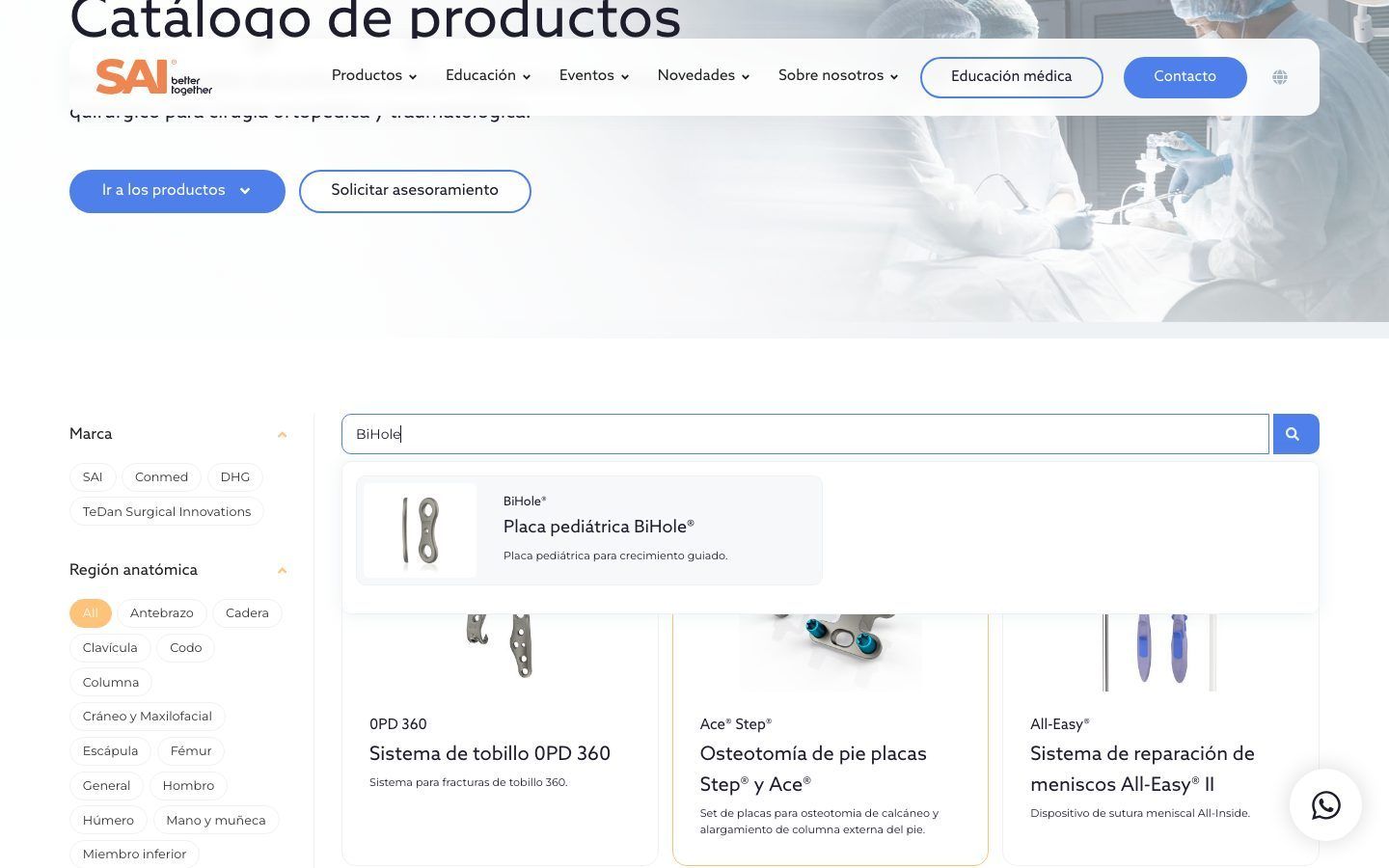
The search might start with “proximal tibia plate.”
We group knowledge into topics the company can sustain, starting where there's already material or a clear need.
We review how people search for products, procedures, and documents to understand vocabulary and intent.
Each query has a different intent: to learn, compare, download, or get in touch. The format is chosen accordingly.
We define what needs its own page, what belongs in the catalog, what can be an article, what works as educational material, and what's better handled within an existing product page.
We rank the opportunities by relevance, available evidence, effort, and connection to the offering.
The strategy establishes a way to add new questions, products, and topics without having to rebuild the plan every quarter.
How it's defined
We gather current content, products, Search Console queries when available, sales questions, and topics the company considers strategic.
We analyze queries, language variations, and current results.
We also look at what currently answers those searches: manufacturers, distributors, media, PDFs, or forums.
We connect each group of questions to a page, a content type, or an existing asset.
Sometimes the opportunity doesn't call for writing something new: it calls for improving the page that should already answer that question.
We define priorities, formats, and links to SEO, copywriting, and distribution.
The plan is designed to be put into practice, rather than remain a theoretical list of topics.
Work · SAI
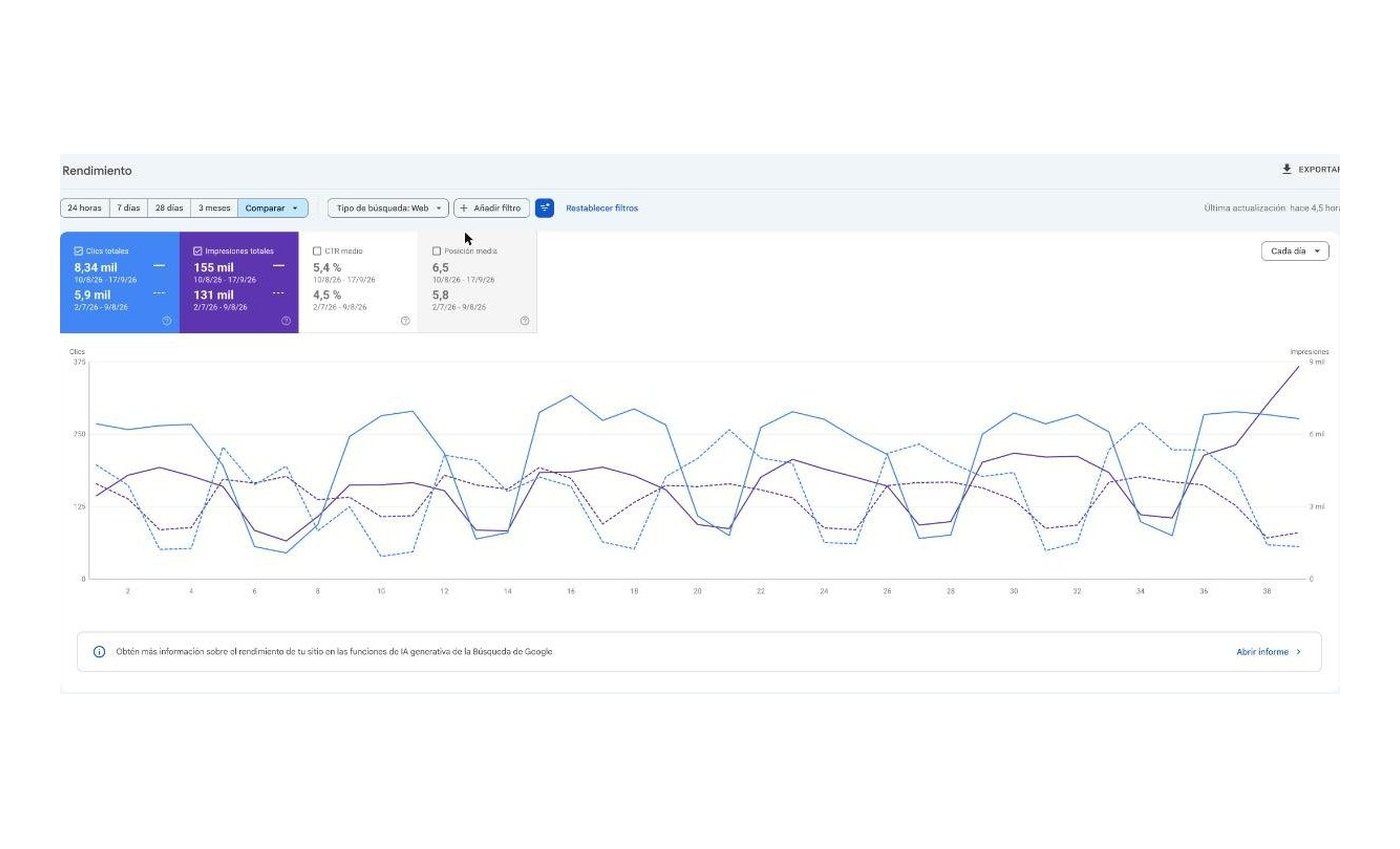
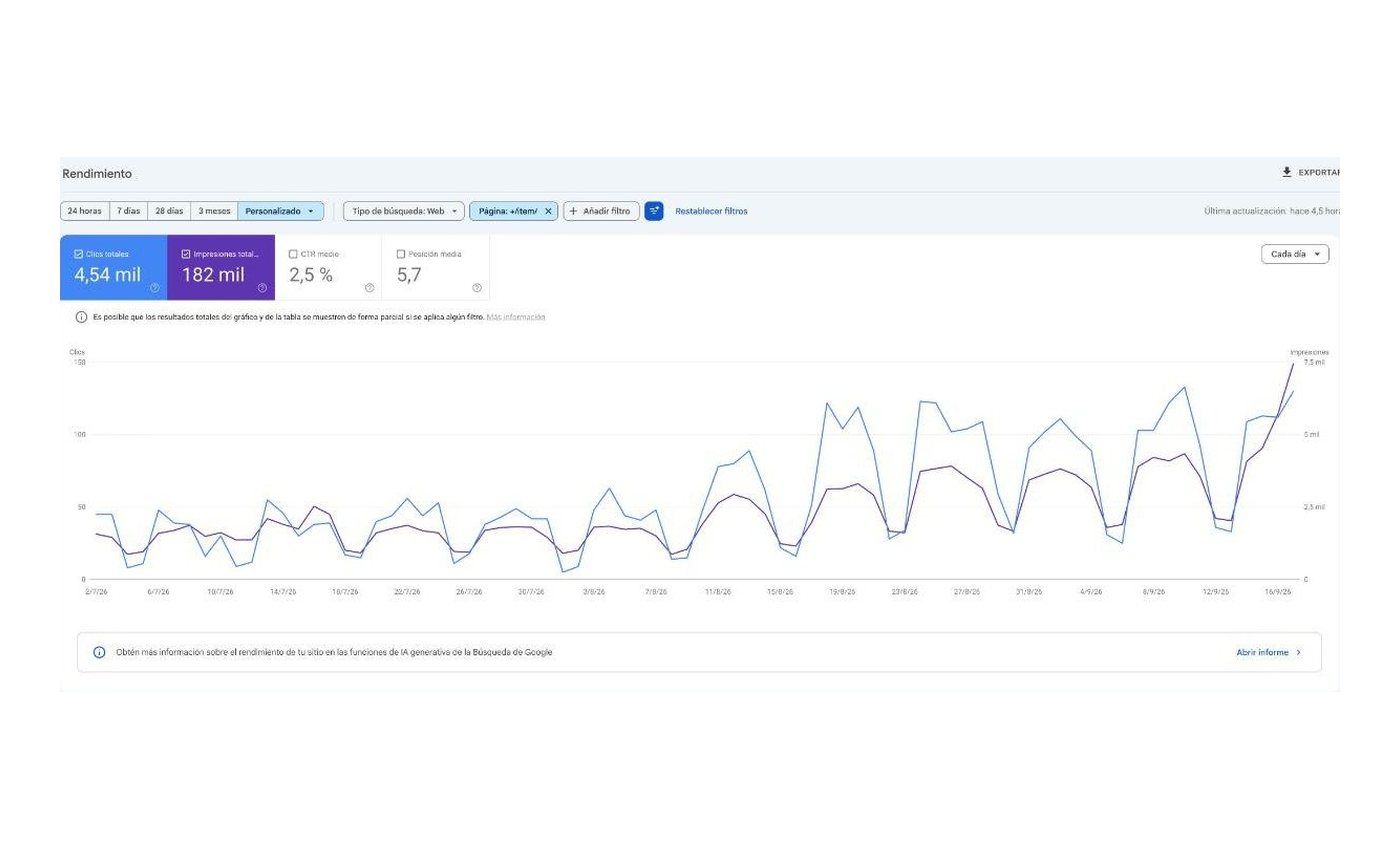
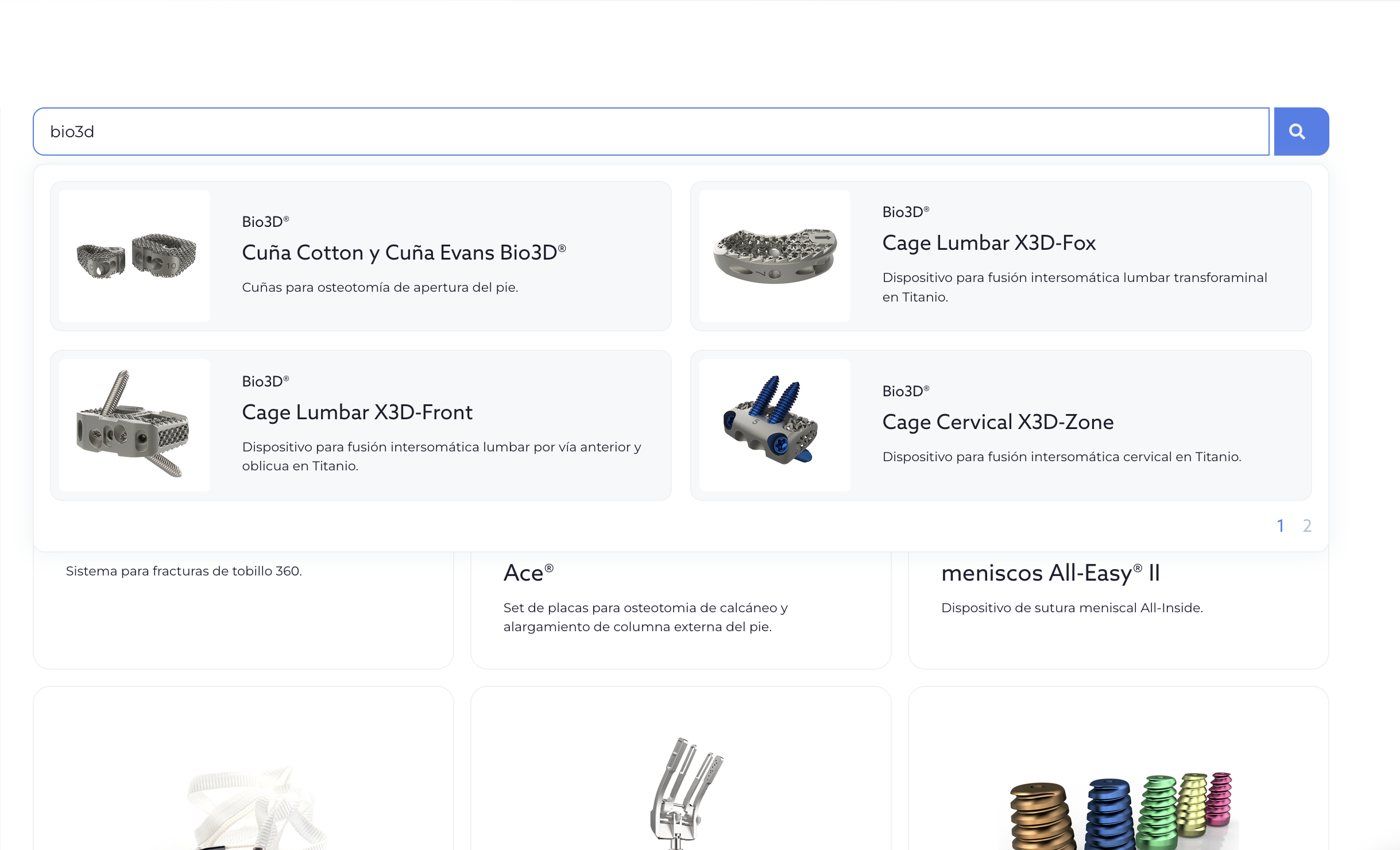
In a review of SAI's top 1,000 queries, 152 branded searches accounted for about 90% of the clicks. The other 848 unbranded queries generated roughly half of the impressions.
Yes. Healthcare professionals and distributors search for products, techniques, and documents before emailing or calling.
SEO focuses on search engine results; GEO and AEO focus on helping an assistant like ChatGPT or Gemini cite the information. Both call for clear content and sourced data.
Not necessarily. Often it's enough to organize what exists and give direct answers.
The plan accounts for validation time and prioritizes what answers the most searches with the least new copy, such as complete product pages and FAQs.
No, and nobody can guarantee it. It organizes what the company controls; then it's measured and adjusted.