At a congress, an orthopedic surgeon from Concepción sees a plate she wasn't familiar with. When she gets back, she looks up the brand, goes to the manufacturer's global website, and fills out the contact form. The message goes to the subsidiary in Mexico, the only one in the region with its own office. Four days later, someone forwards it to Chile, to an address listed in an old spreadsheet: that of the distributor that stopped representing the brand the year before.
Nobody did anything wrong. The website didn't know who handles Chile, and the form sent the inquiry to the only destination it knew.
Ways of being present in a country
In this industry, a manufacturer reaches each country in a different way. In one, it has its own subsidiary. In another, an exclusive distributor. In a third, two distributors that split the lines: one handles trauma, the other spine. And sometimes there's one more link, a regional distributor that brings in the brand and passes it on to local distributors in each country.
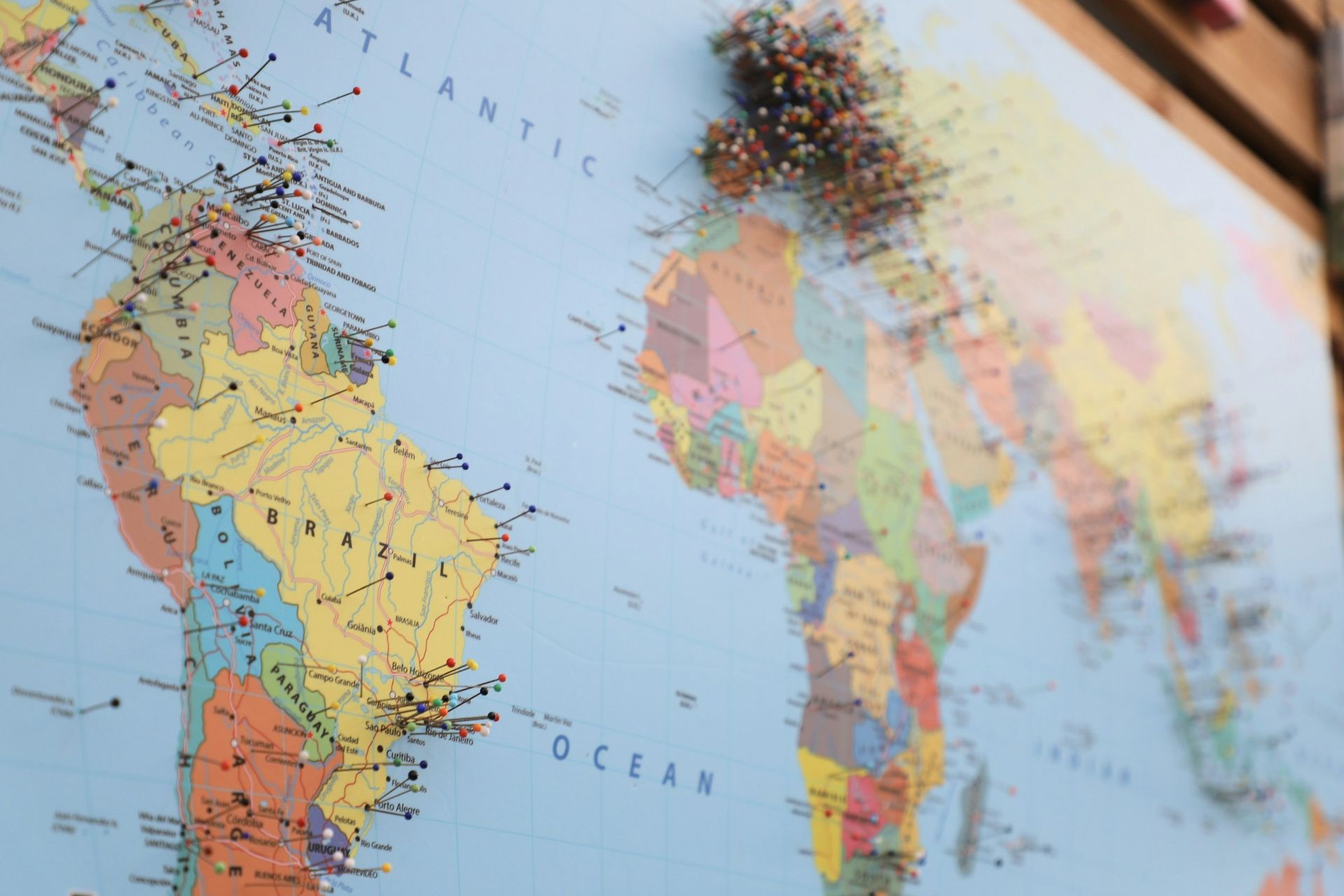
A map with one logo per country works as long as there's only one answer. When it depends on the line, or on the region within the country, the map shows one name and the physician writes to the wrong one.
Representation as a table
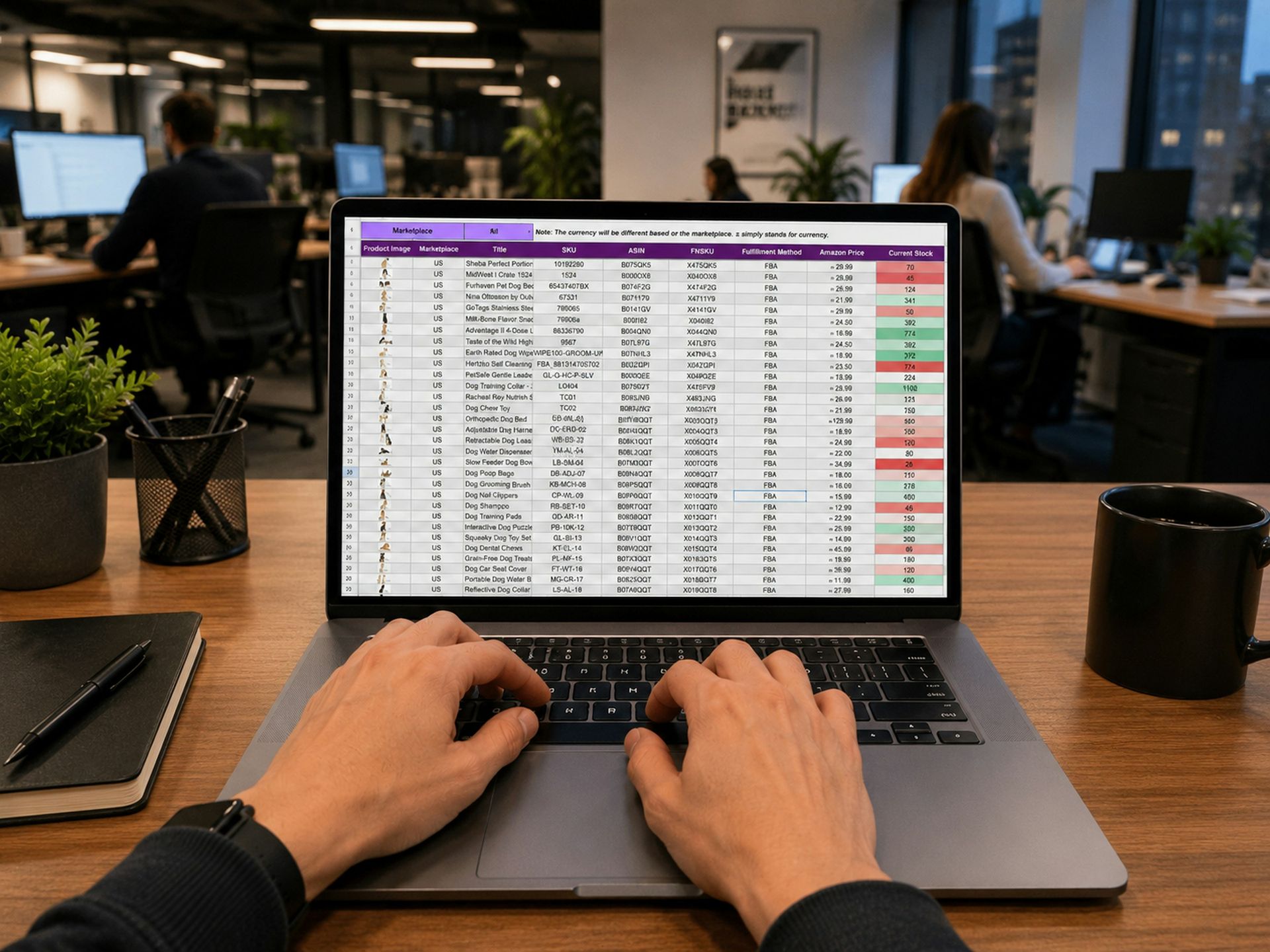
What brings order to all of this is treating representation as data: a table with the country, the product line or family, the company that represents it, whether it's a subsidiary or a distributor, the contact, and the date it's valid from. With that table, the website can build several things at once:
- a page for each country that says who handles each line, with their contact details;
- a section on each product page showing the local representative in the country of whoever is viewing it;
- a form that sends the inquiry to the right party based on the country and product selected.
It's better to ask for the country than to guess it. IP-based location fails in exactly the case that matters most: the Chilean surgeon looking up the product from her congress hotel in Mexico City. A visible country selector that remembers the choice solves that without asking her for anything else.
When an agreement changes, one row changes and all three pieces update together. What can't happen is the product page showing one name and the country page another, because then the physician no longer knows whom to believe. How to organize a catalog when the company also distributes other brands is covered in Own products and distributed brands; and why a country availability page is also useful to an AI assistant, in What it takes for ChatGPT and Gemini to cite a company.
Some distribution groups have one website per country, each on its own domain. The table still applies: each site shows its part, and all of them have to agree on who represents what.
What the distributor brings
The distributor knows the surgeons in its region, has surgical technologists who support the first surgeries, keeps stock in the country, provides technical service for the equipment, and knows what each procedure is called in its market. At a congress, that knowledge shows up in another way: an equipment distributor brings the ultrasound systems of the brand it represents to the radiology congress and adds a talk by a local specialist on a specific application. That talk is the distributor's own, and the manufacturer couldn't have given it.
On the manufacturer's website, each country page is the natural place for that: the distributor's courses and events, its technical service team, its hours. For the physician, that page answers something the product page doesn't: who will support them in their city. For the distributor, it's visible recognition, and a reason to keep its information up to date.
On the distributor's own website, the problem is the reverse: the brands it represents take up the whole screen, and what it brings stays hidden. We address this in Importers and distributors.
What each one publishes has an owner. The surgical technique guide and the product page belong to the manufacturer; the talk, the local course, and the service contact belong to the distributor. If the structure stores them separately, each one updates its own content without overwriting the other's.
Who maintains the table
The table needs an owner, usually the team that manages agreements with distributors, and a review date on each row. An agreement that ends has to come off the website the same day the contract ends. Once the table exists, the next country added is just one more row, and the inquiry from the orthopedic surgeon in Concepción reaches someone who can answer it the same day.
Services covered in this article