Updates
We update the CMS, plugins, and dependencies as part of a controlled routine, testing each change.
Creativity · Strategy · Development · Impact
Services › Impact and evolution › Ongoing maintenance and optimization
We support live sites with updates, fixes, and improvements prioritized based on what the platform shows and what the team maintaining it needs.
Maintenance combines day-to-day operations with evolution: handling what's needed to keep the site running while using data, searches, and new needs to decide what to improve next.
Going live doesn't freeze the site. It starts another stage of work.
We update the CMS, plugins, and dependencies as part of a controlled routine, testing each change.
We log errors with enough context to reproduce them and distinguish real failures from conditions specific to a browser, session, or piece of content.
We support new entries, structural adjustments, and needs that go beyond the team's day-to-day operation.
URLs, redirects, documents, and signals that appear as the site changes are reviewed.
Technical findings go into the backlog with evidence and priority instead of being addressed simply because they've accumulated.
Every relevant intervention is recorded, so the next change doesn't start by reconstructing what happened last time.
Work · SAI
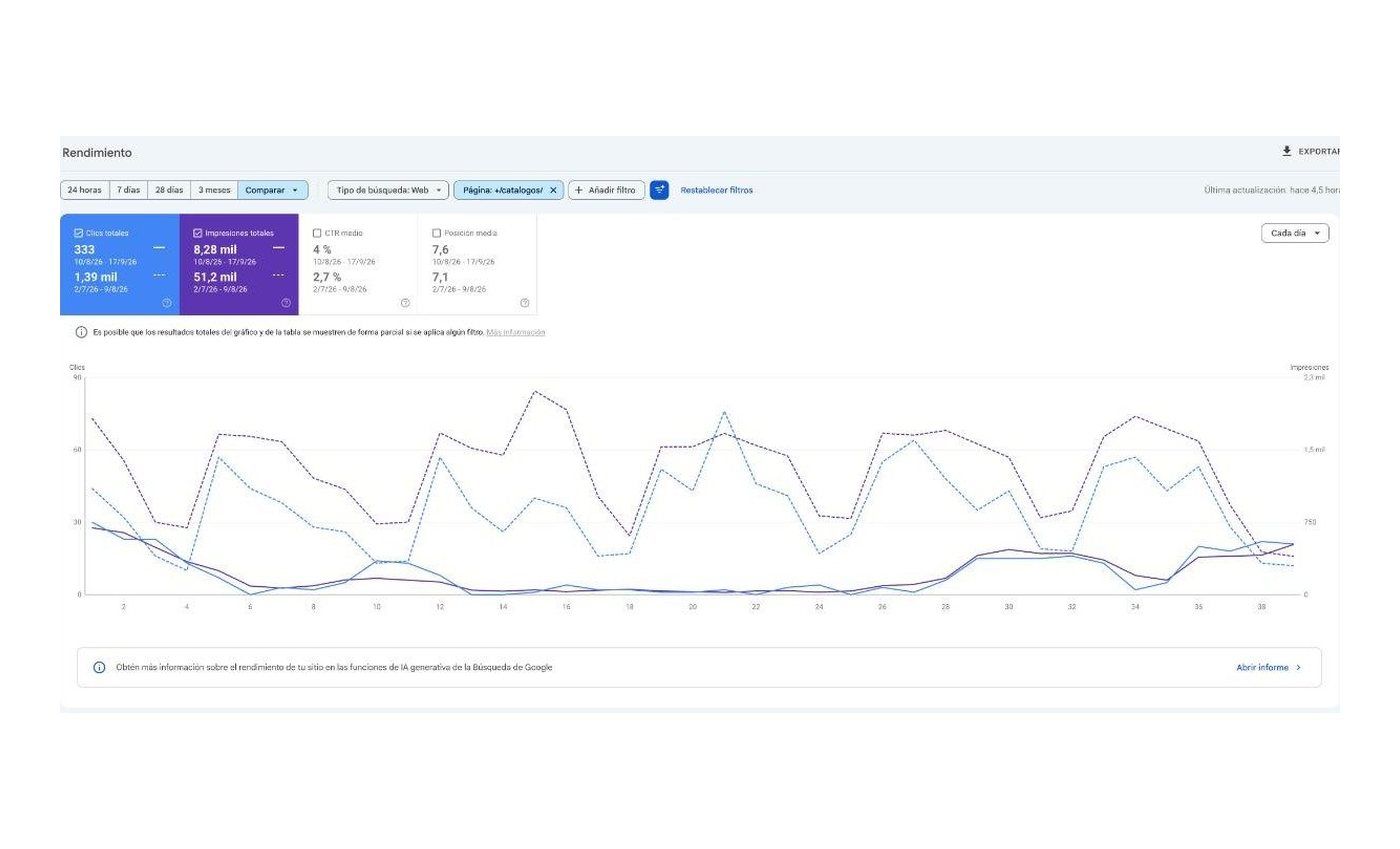
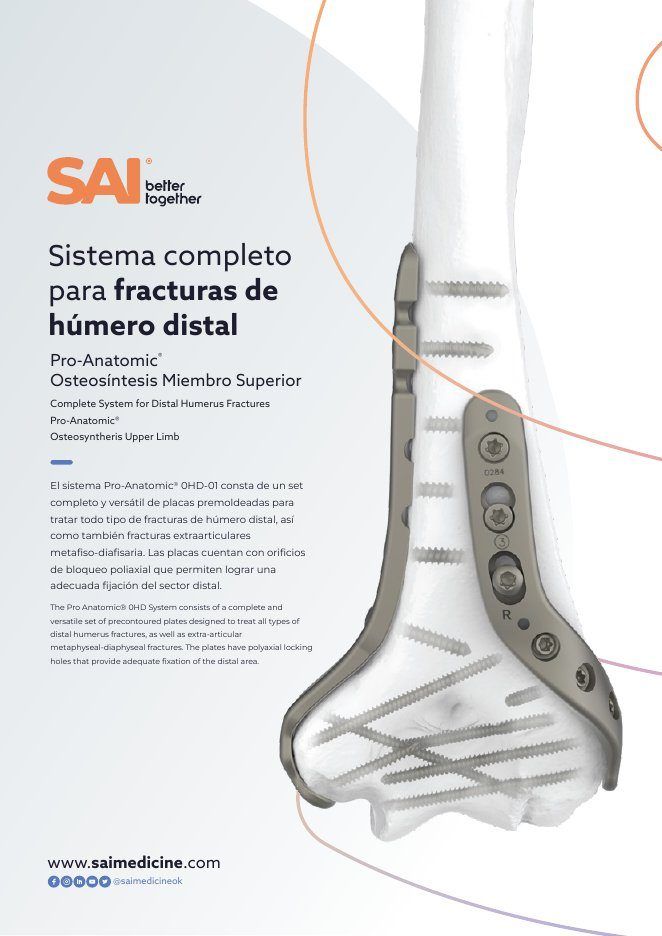
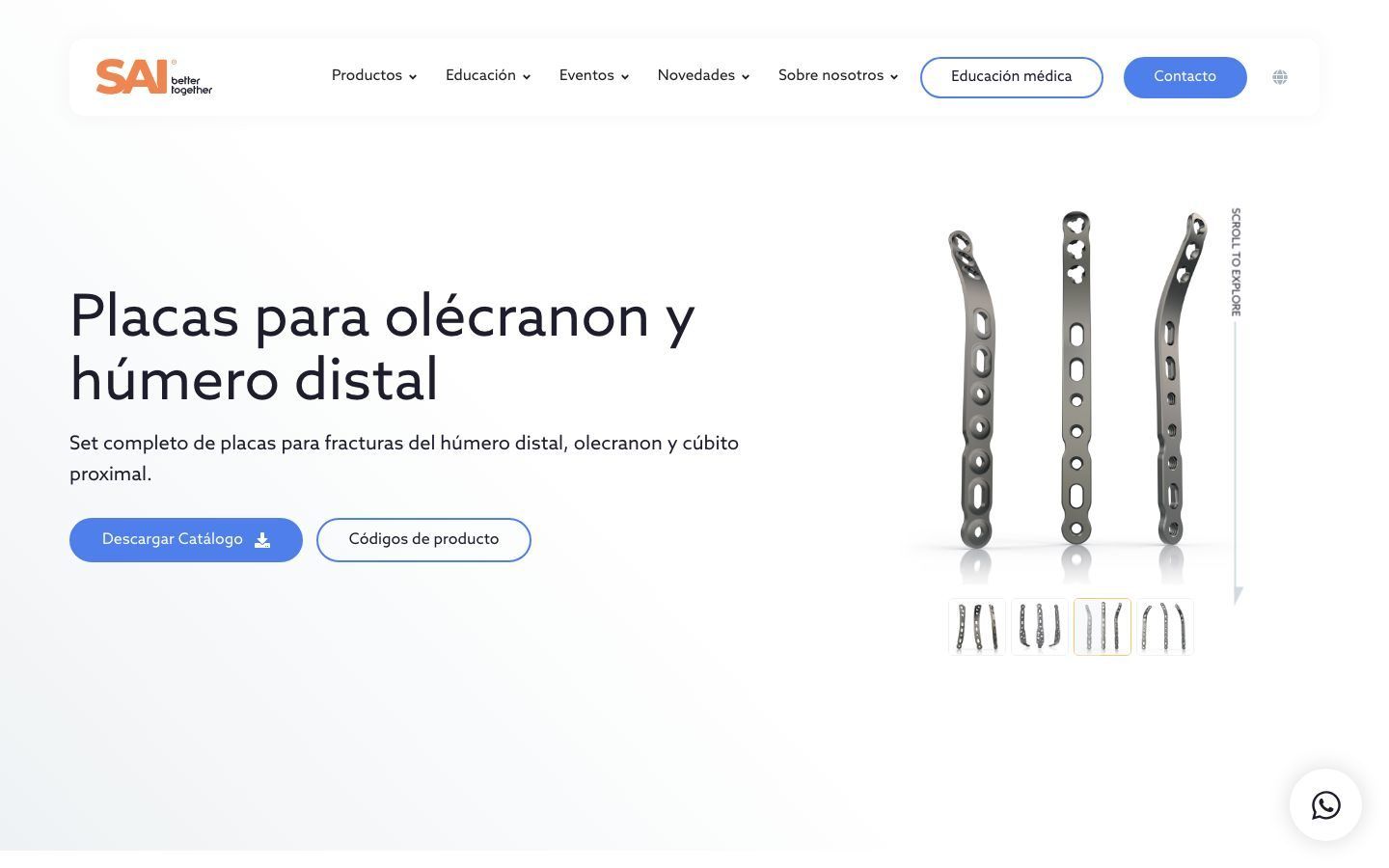
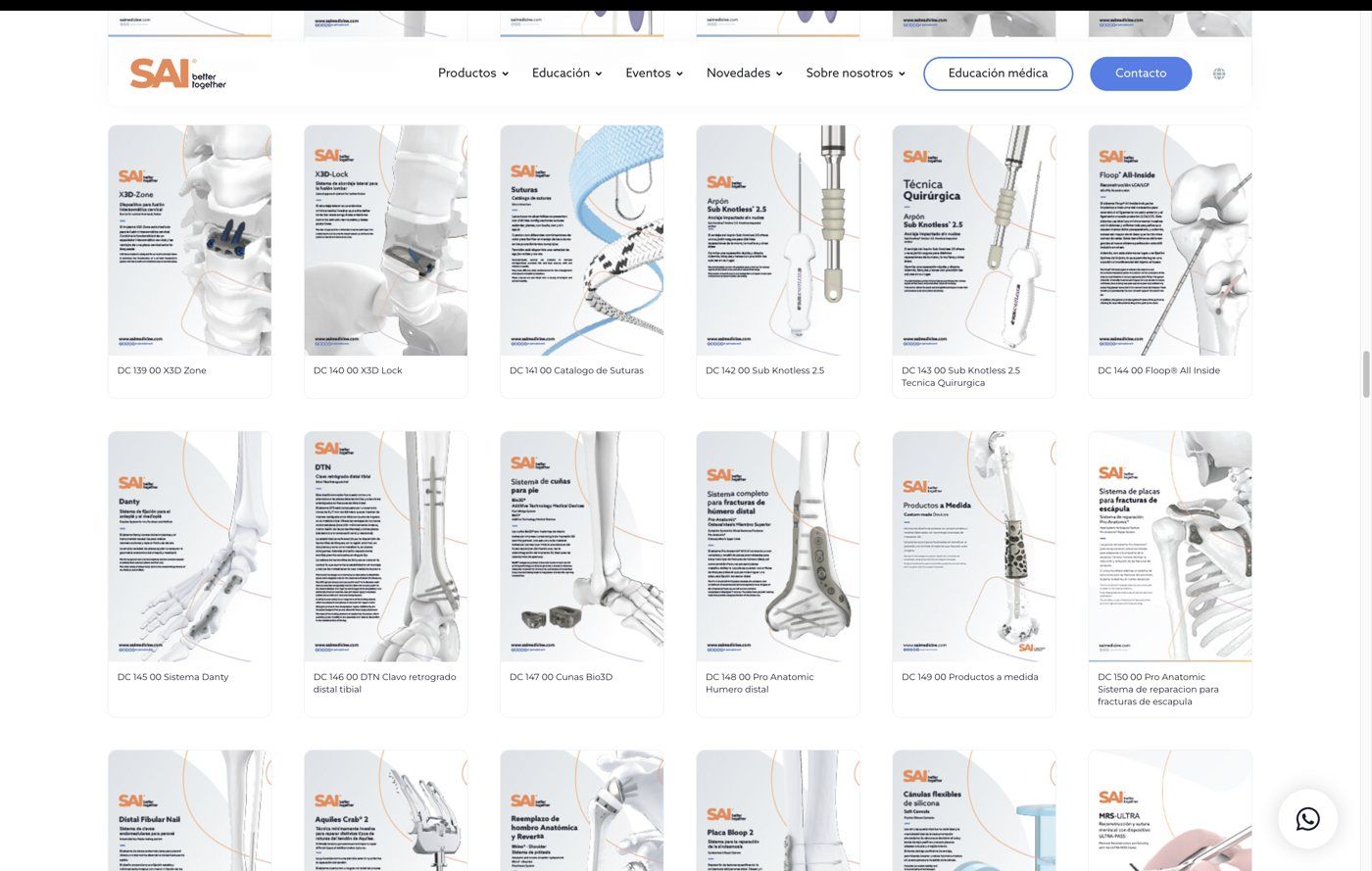
After SAI's new platform went live, tasks appeared that could only be solved with the site in use: cleaning up legacy URLs and references, reviewing PDFs that were still competing with product pages, optimizing the filtered catalog, IFUs, and operational adjustments.
Technical maintenance is included: updates, security, and backups. Most of the work, though, is improving what's already there, with a jointly prioritized list and results measured in each round.
No. If another provider built it, the work starts with a technical and structural review to understand its current state and what should be addressed first.
With a jointly prioritized list and usage data in view: first whatever is blocking someone, then what matters, and finally what can wait. Anything postponed is also written down, along with the reason.
We don't promise that: whether a sales inquiry comes in depends on many people beyond us. What we can show, with dates and sources, are changes in structure, use, and operations. At SAI, for example, clicks on product pages went from 1,308 to 3,227 in equal 39-day windows.
Yes, and sometimes that's the better option. What we provide in that case is the diagnosis and the order of priorities: what to address first, why, and how to verify that it worked.