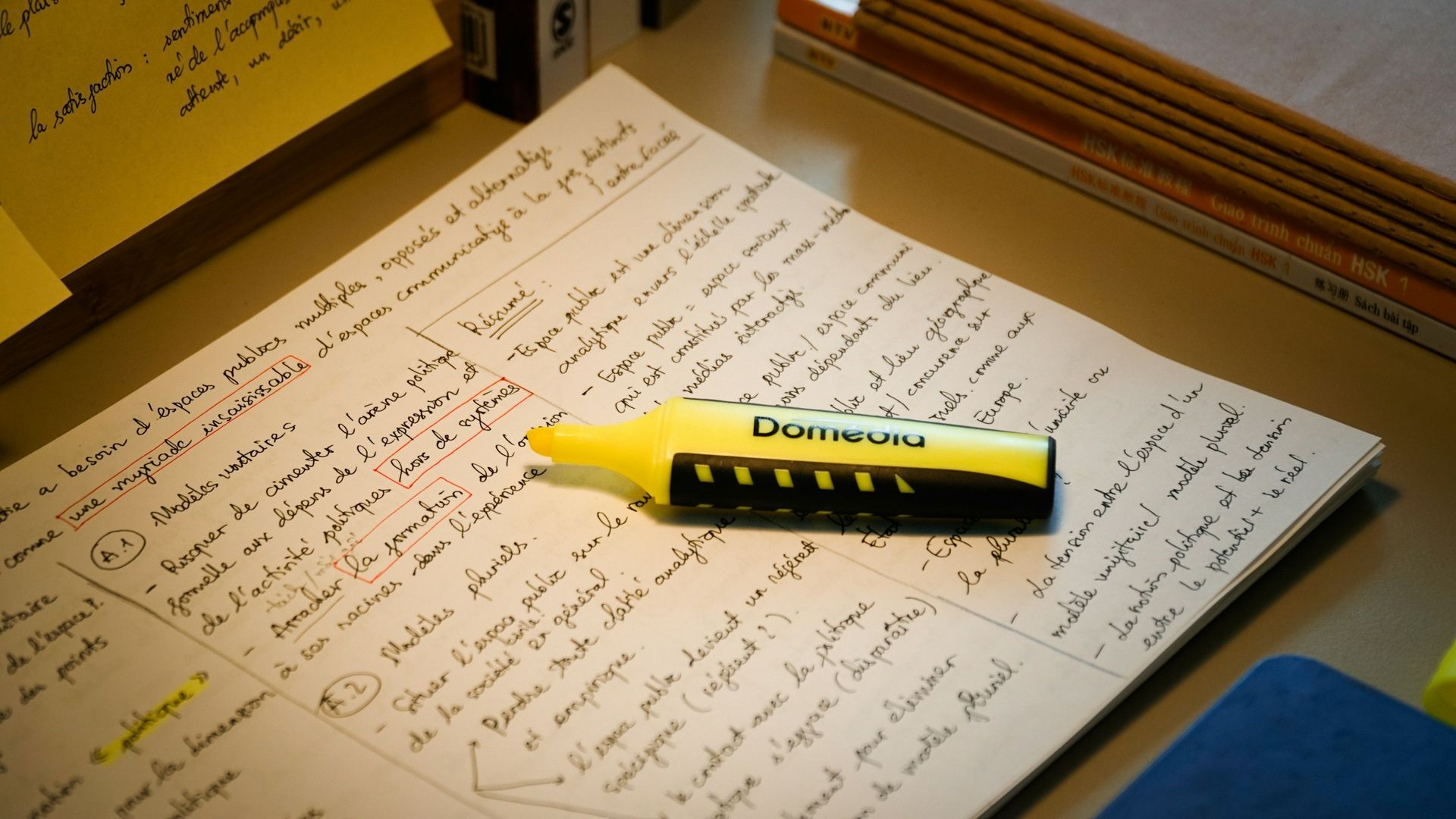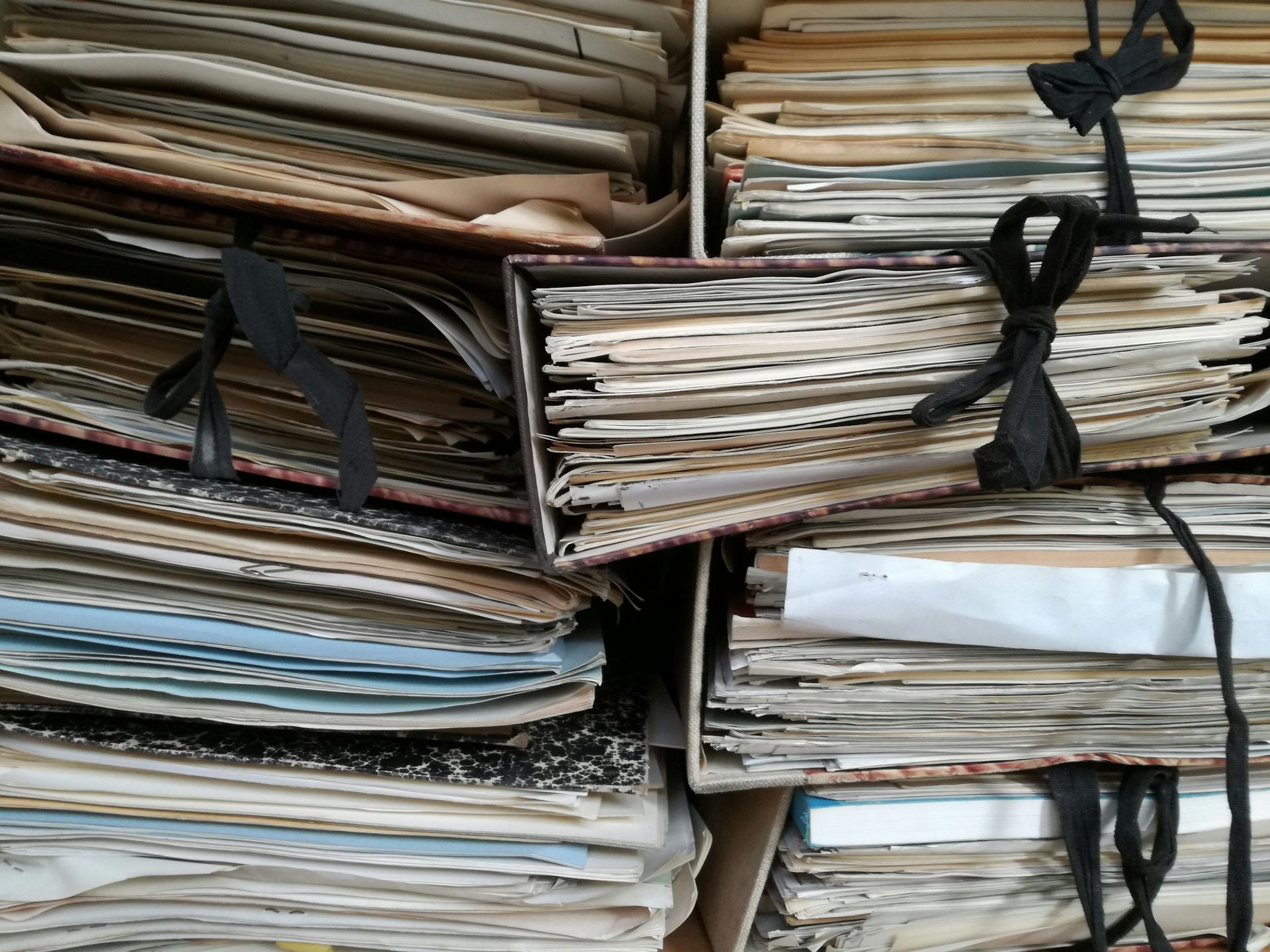
The surgical technique guide for a plating system was scanned years ago from the paper copy a sales rep used to take to congresses. The PDF's first page is slightly crooked, and there's a pencil note in the margin of page six. It's the only place where the surgical steps and the instrument dimensions are documented. A person opens it and reads it without any trouble. For an AI assistant crawling the site, it's twenty photos of pages.
What an assistant can read
ChatGPT, Gemini, Google's AI Overviews, and the assistant a company installs on its own site work with text. They read what's written on the page as text: headings, paragraphs, tables built as tables, link text, an image's alt text. From a PDF, they read the text layer, which exists when the file was exported from the original document.
A scanned PDF doesn't have that layer. Some systems try to recognize the letters in the image, and for an ordinary paragraph that's sometimes enough. In a medical device document, recognition fails exactly where it matters: a code where an “O” is read as a zero, a 3.5 measurement that loses its decimal point, a registered trademark superscript that sticks to the word. An assistant that picks up that misread data gives an answer with a product that doesn't exist. And many crawlers don't even try, so in practice the document is left out.
There's a simple test to tell which kind each file is: open it and try to select a line with the cursor. If the whole page gets highlighted as a single block, it's an image.
The other places where content disappears
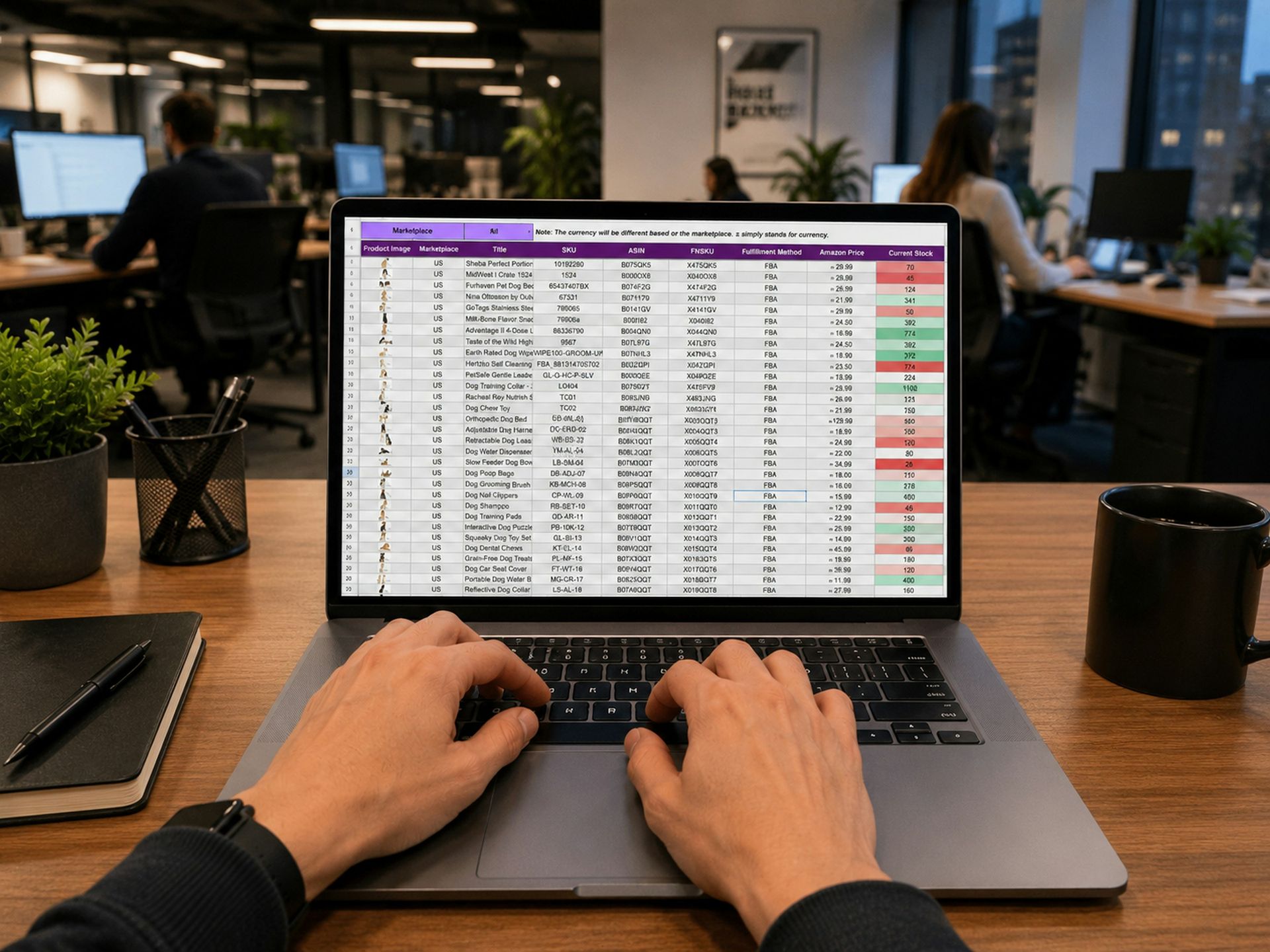
Text inside images. A size table exported as an image to keep the catalog's design, an infographic with the indications, the product name that only appears in the photo of the box. The assistant gets an image, with a description that's often just the file name.
Video without a transcript. When the steps of a surgical technique exist only in the voice of the surgeon explaining it, the assistant knows there's a video and what its title is, nothing more.
Whatever is behind a form or a password. A clinical study that can be downloaded after leaving an email address, an area restricted to healthcare professionals. A crawler doesn't fill out forms. Sometimes that's the right decision: there's material the company only wants to provide to people who identify themselves. The consequence is that this material won't serve as a source for any answer, and it's better to make that decision knowing it.
The relationship nobody wrote down. Even if the text exists, if the only link between a product and its surgical technique guide is a button that says “Download” and leads to a file named TQ_v3_final.pdf, the assistant has no way of knowing which product that document belongs to.
What to give it instead
The product page with the data written as text: trade name, codes, sizes, materials, and indications, each in its own field. The linked document with its title, its number, and the product it belongs to written next to the download button.
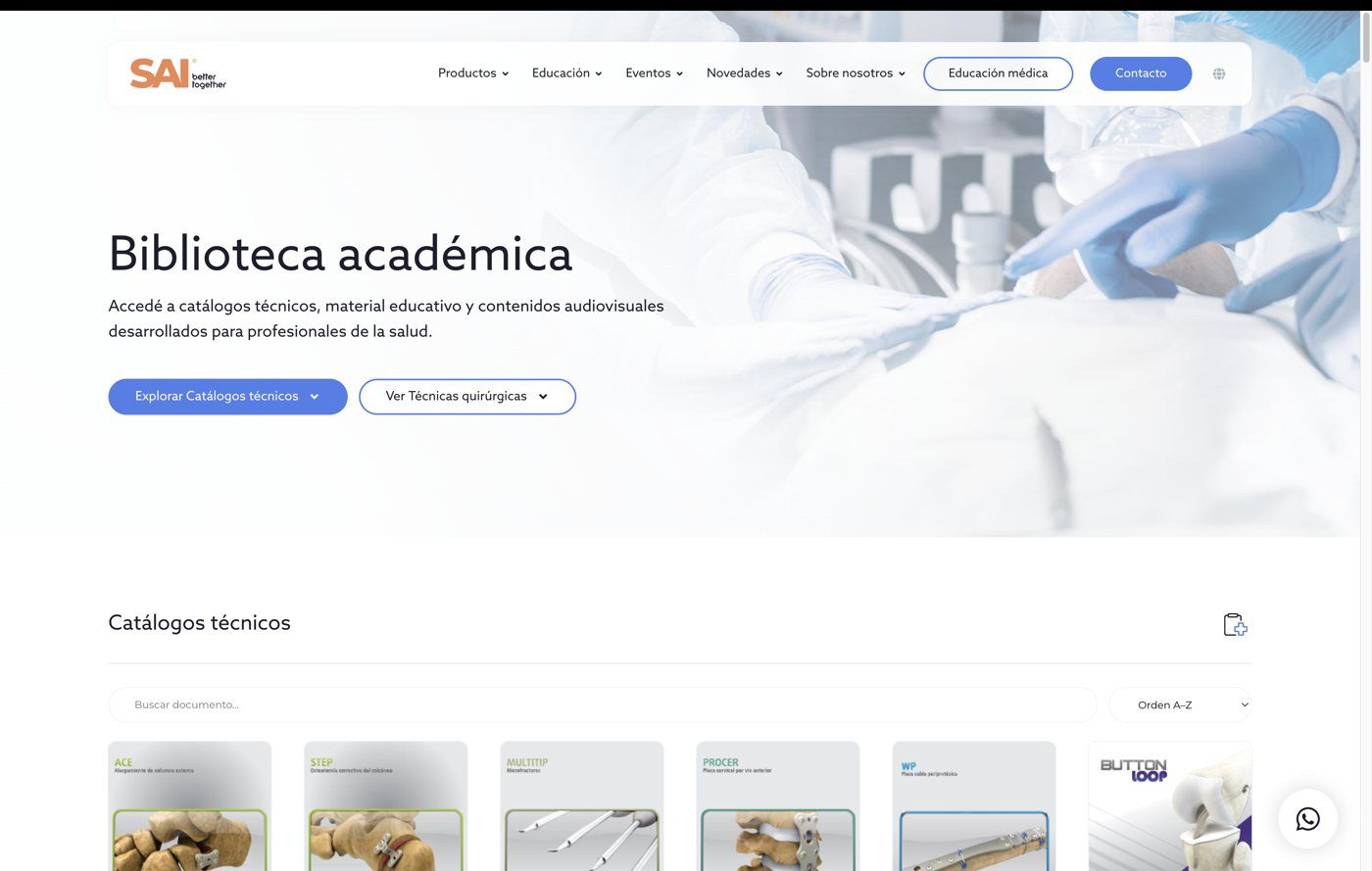
On the product page for a system at SAI, an Argentine orthopedic manufacturer and distributor, the system name, the one-line description, and the “Download catalog” and “Product codes” links are page text, and the linked catalog appears with its document number and title written next to the cover. An assistant that reaches that page finds the product and its document in the same place.
For PDFs, the version exported from the original file, not the scanned one. If the original was lost, the document is recomposed. When it's an approved IFU, the company checks the text version against the original, and the approved PDF remains the authoritative version. For images with information, a description that says what they show. For surgical technique videos, the transcript published on the same page.
The company's own assistant needs the same thing. It's designed to answer from what has been loaded into it, and a scanned IFU loaded as a source gives it little to answer with or, worse, a misread data point to repeat.
Where to start
An inventory of what the site publishes, marked in three columns: whether the file has text or is an image, whether there's important information inside images or videos, and whether anything is behind a form. The order of work is set by the most downloaded documents and the pages most often used as entry points: that's the material already in use that, today, only a person can read.
None of this ensures that an assistant will mention the company. Who gets cited, and when, is decided by systems that change and that nobody controls from the outside. The inventory deals with an earlier step: making sure the company's information is written in a format an assistant can read.
Services covered in this article