Sources
We define which documents and materials make up the base, and the status of each one.
Creativity · Strategy · Development · Impact
We organize sources, terminology, relationships, and rules so teams can work with AI using their own knowledge, with more context and traceability.
The base can be used to research, prepare drafts, adapt formats, or assist with internal tasks. Human review and technical, medical, or regulatory validation remain part of the process when needed.
AI writes fast. The hard part is telling it what's true.
We define which documents and materials make up the base, and the status of each one.
We establish which source takes priority when two cover the same topic, so the reasoning stays visible.
We standardize product, procedure, and brand names so they're written the same way across every channel.
We document the limits of use: what can be summarized, what needs a citation, which data must not be filled in, and when the workflow has to ask for review.
We include examples of correct answers or formats when they help show the expected depth, tone, and structure.
When the system allows it, we keep the sources used visible so a person can check where the answer came from.
FT-021 · v3IFU-07 · v2GL-03 · v1How it's built
We review the available sources and their quality for the intended use.
Contradictions, old versions, and unsupported claims are flagged before being added to the context.
We define hierarchies, glossaries, relationships, and rules.
The goal is to reduce the implicit decisions the model would otherwise have to make on its own.
We use real questions and tasks to observe what information the system retrieves, what confuses it, and where sources are missing.
The base is set up for ongoing maintenance: what gets updated, who validates it, and what changes when a new version of a document appears.
Work · SAI
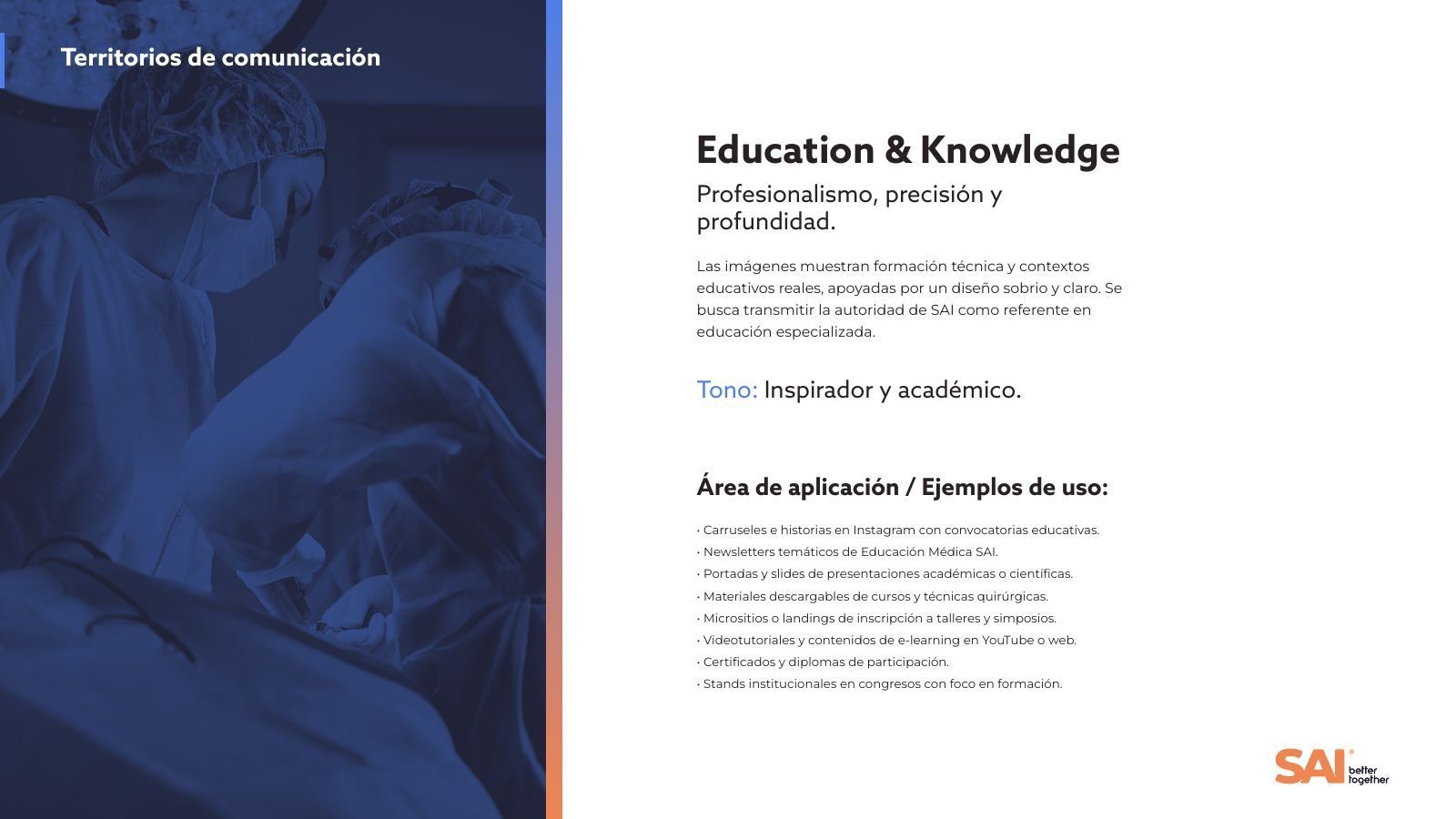
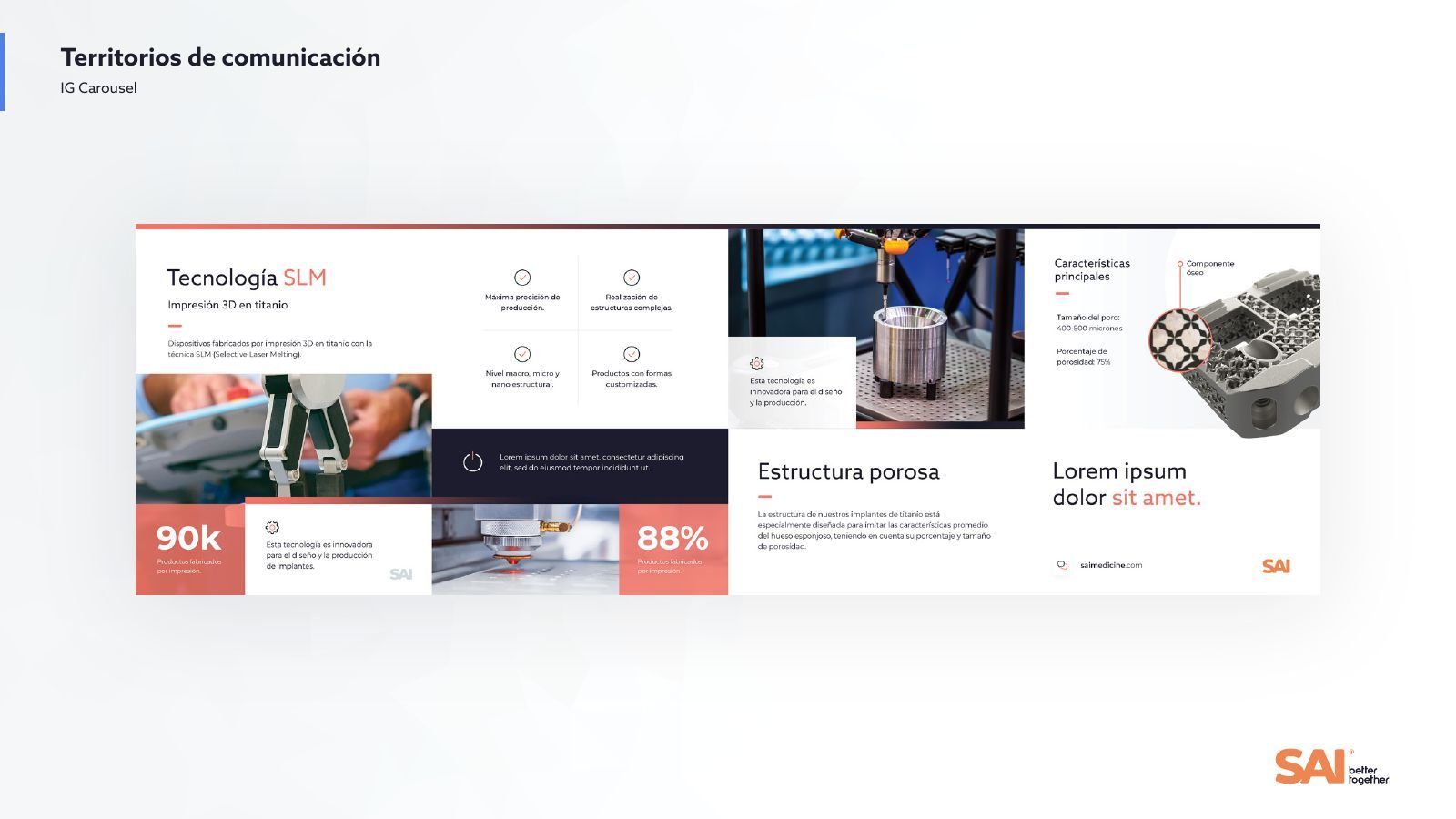
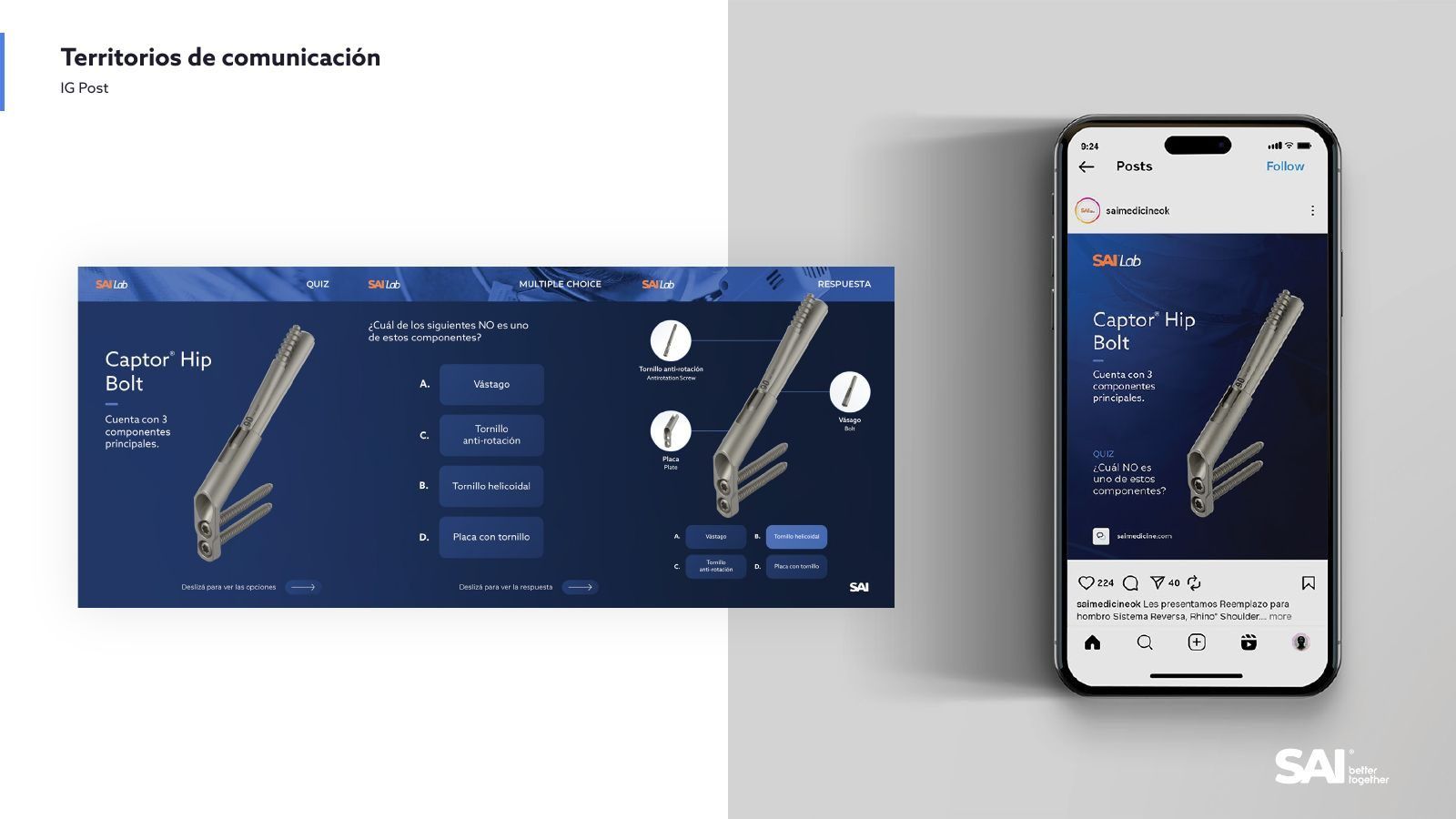
During the SAI project, a 16-chapter narrative platform was built, along with messages organized at different levels and five territory sheets.
The context for each product, gathered and organized: documents, approved claims, glossary, voice, and instructions. It's the context the AI is given to work with.
They don't get published. The base defines the sources and rules the AI has to use; anything without support goes back for review, and everything is reviewed before it goes out. Automatic publishing stays out of the workflow.
To prepare drafts, yes. The final text is validated by Product or the technical director.
It belongs to the company. It stays documented in the company's systems, where its team, another tool, or we can use it.
It's the starting point: an assistant needs the same context and the same source hierarchy as a product page.