The dead-end PDF.
A surgeon searches for “retrograde tibial nail” on their phone and lands on a catalog PDF, without the rest of the line or the IFU next to it. To find the code, they call.
Creativity · Strategy · Development · Impact
Industries › Orthopedics and trauma
Strategy, content, and digital structure for orthopedic implant and surgical instrument companies, where people may look for the same product by code, brand, anatomical region, procedure, or surgical technique.
An implant can have more than one entry point.
A surgeon searches for “retrograde tibial nail” on their phone and lands on a catalog PDF, without the rest of the line or the IFU next to it. To find the code, they call.
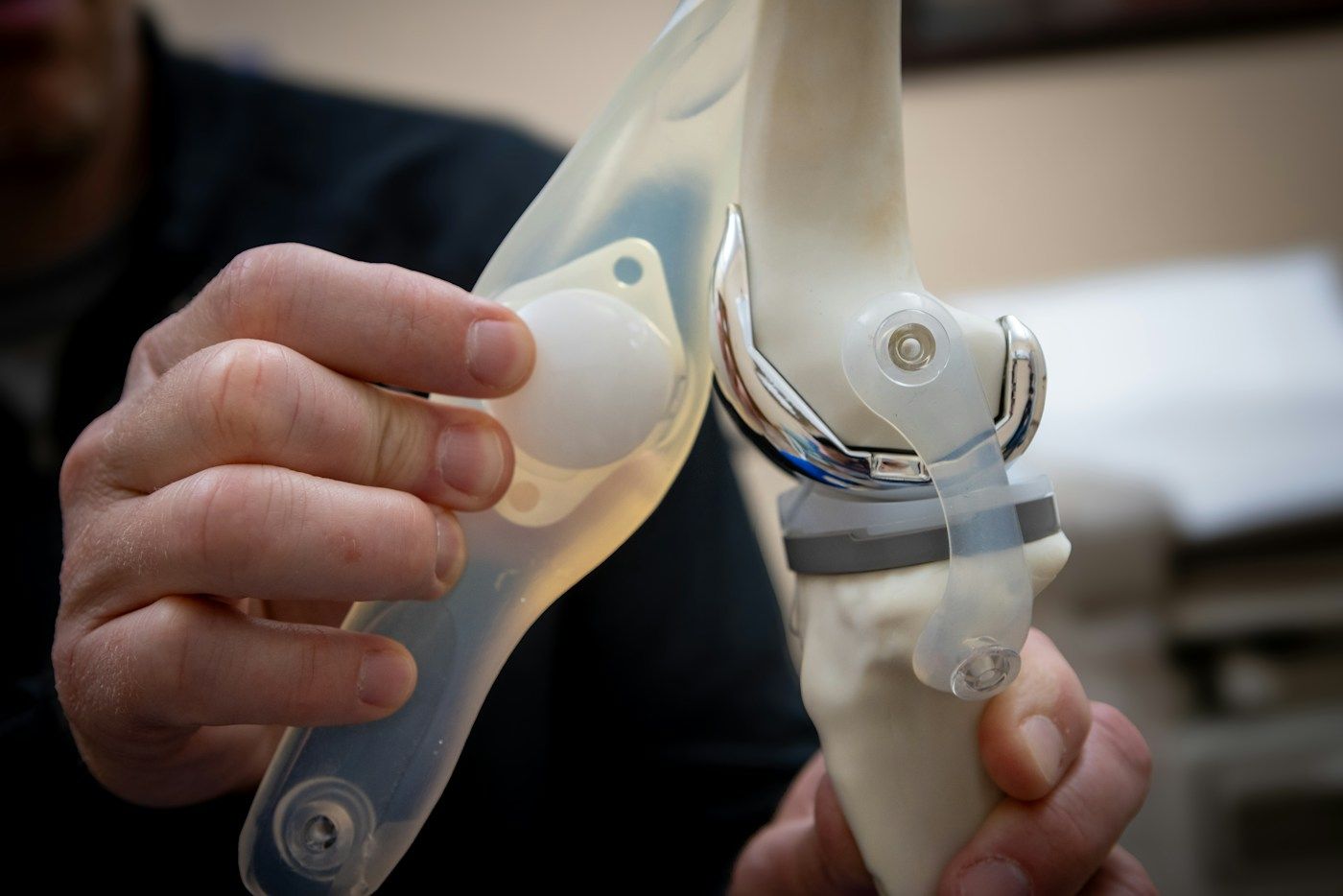
Before surgery, the surgical technologist needs to know which instrument tray goes with that system. The surgical technique guide exists, but in another section or only in print.
Last month's workshop was uploaded to a video channel, with no link to the products that were used. People looking for the product never reach the course.
Where we can start working together
Every company comes in with its information in a different state. We start with whatever creates the most friction for people looking for it, then organize the rest.


Work · SAI
SAI manufactures and distributes implants and instruments for orthopedic surgery.
The company decides with its regulatory team. The structure supports both options and can accommodate a later change in that decision.
They're redirected to the product pages that replace them. At SAI, 511 redirects were audited and none were broken.